
Loading, please wait...
LOT 2538
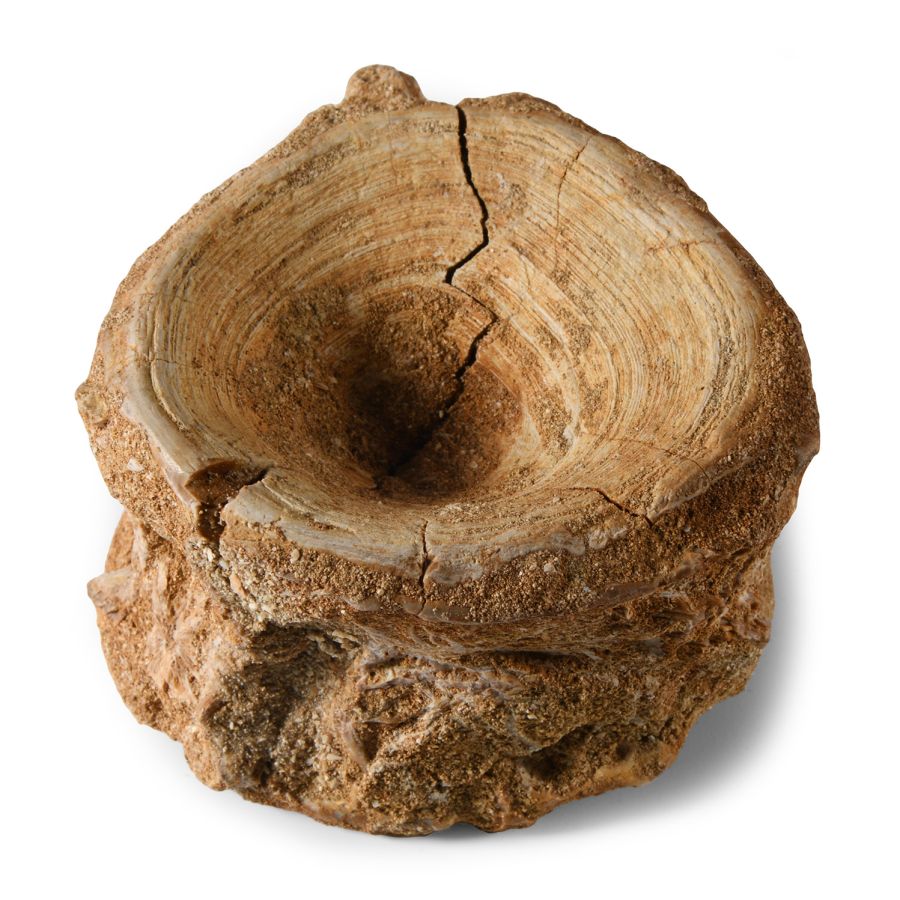
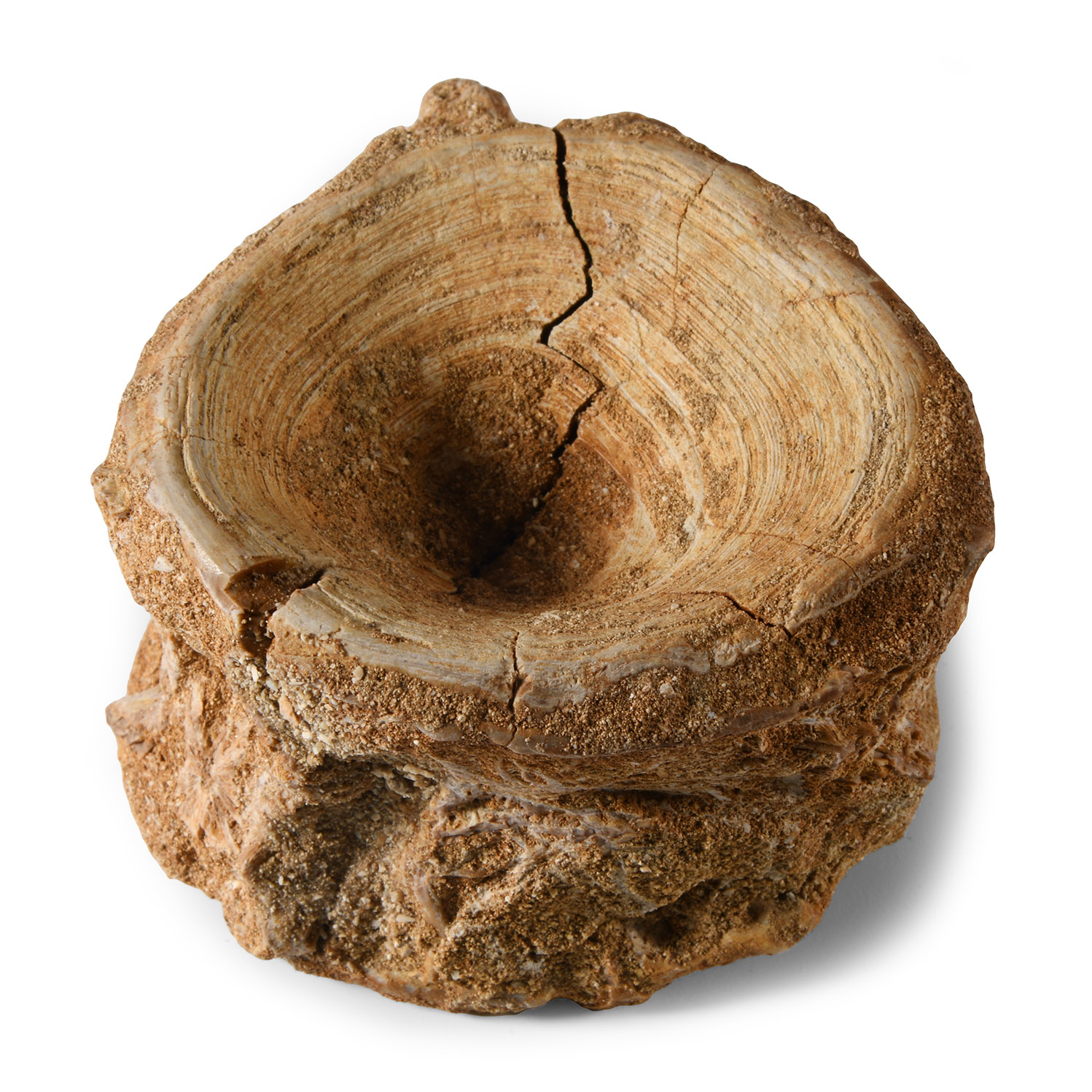
Natural History - Large Fossil Shark Vertebra
UPPER PALAEOCENE, THANETIAN STAGE, CIRCA 56 MILLION YEARS B.P.
3 in. (174 grams, 77 mm).
From Otodus obliquus Agassiz 1843 (mackerel shark). [No Reserve]
ProvenanceFrom the Ouled Abdoun Basin Formation (Phosphate beds), Oued Zem, Morocco, North Africa.
From an old Oxfordshire fossil and mineral collection.
TimeLine Auctions follows a vetting process to ensure the authenticity and legality of all items, reinforcing our commitment to integrity and responsible trading. Each antiquity, antique, and coin lot undergoes thorough examination by a vetting committee of at least ten external specialists, professional trade association members, scientists, and archaeologists: Our Vetting Process
AUCTIONS:
TimeLine is a leading auction house specialising in antiquities, ancient art, collectables, natural history, coins, medals, and books. Our auctions offer museums, collectors, historians, and enthusiasts the opportunity to acquire unique and historically significant pieces.
-
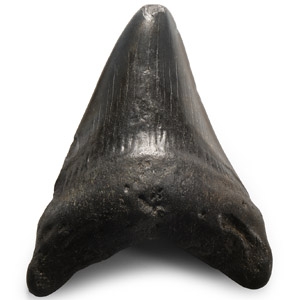
Natural History - Megalodon Giant Shark Fossil Tooth
Palaeolithic Period, circa 400,000 B.P.Sold for (Inc. bp): £124
Carcharocles megalodon tooth with some good polished enamel. 108 grams, 87 mm
From Florida, USA. Collected between 1930 and 1960. From the collection of the palaeontologist R Gledhill. -
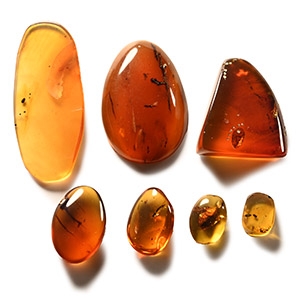
Natural History - Amber with Insect Inclusion Group
Oligocene Period, circa 45 million years B.P.Sold for (Inc. bp): £104
Group comprising seven polished irregular and oval-shaped specimens with insect inclusions. 11.16 grams total, 11-43 mm
From a North American collection. Property of an East Sussex, UK, gentleman. -
![Natural History - Brown Obsidian Natural Glass Specimen Group [100]](https://timelineauctions.com/upload/images/items/small/211374-s.jpg)
Natural History - Brown Obsidian Natural Glass Specimen Group [100]
Sold for (Inc. bp): £26
Comprising cut dark brown to black samples. 878 grams total, 22-46 mm
Ex Mineral Imports, London, UK. Gregory, Bottley & Lloyd (Gregory's).
