
Loading, please wait...
LOT 2205
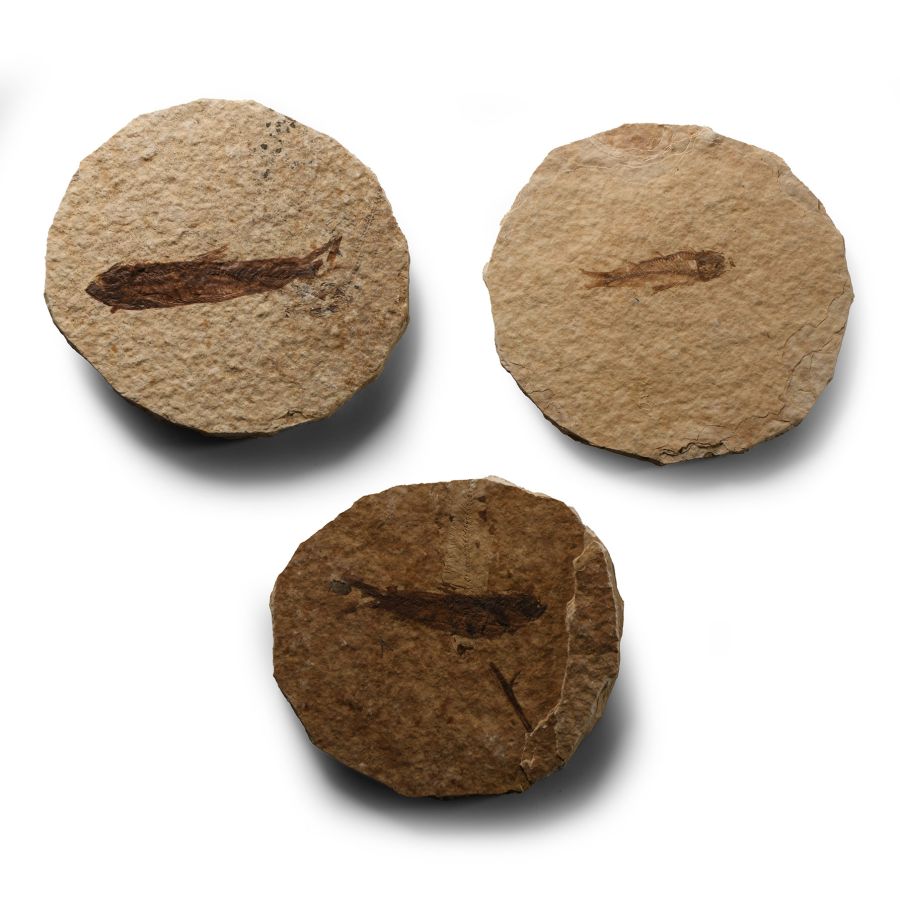
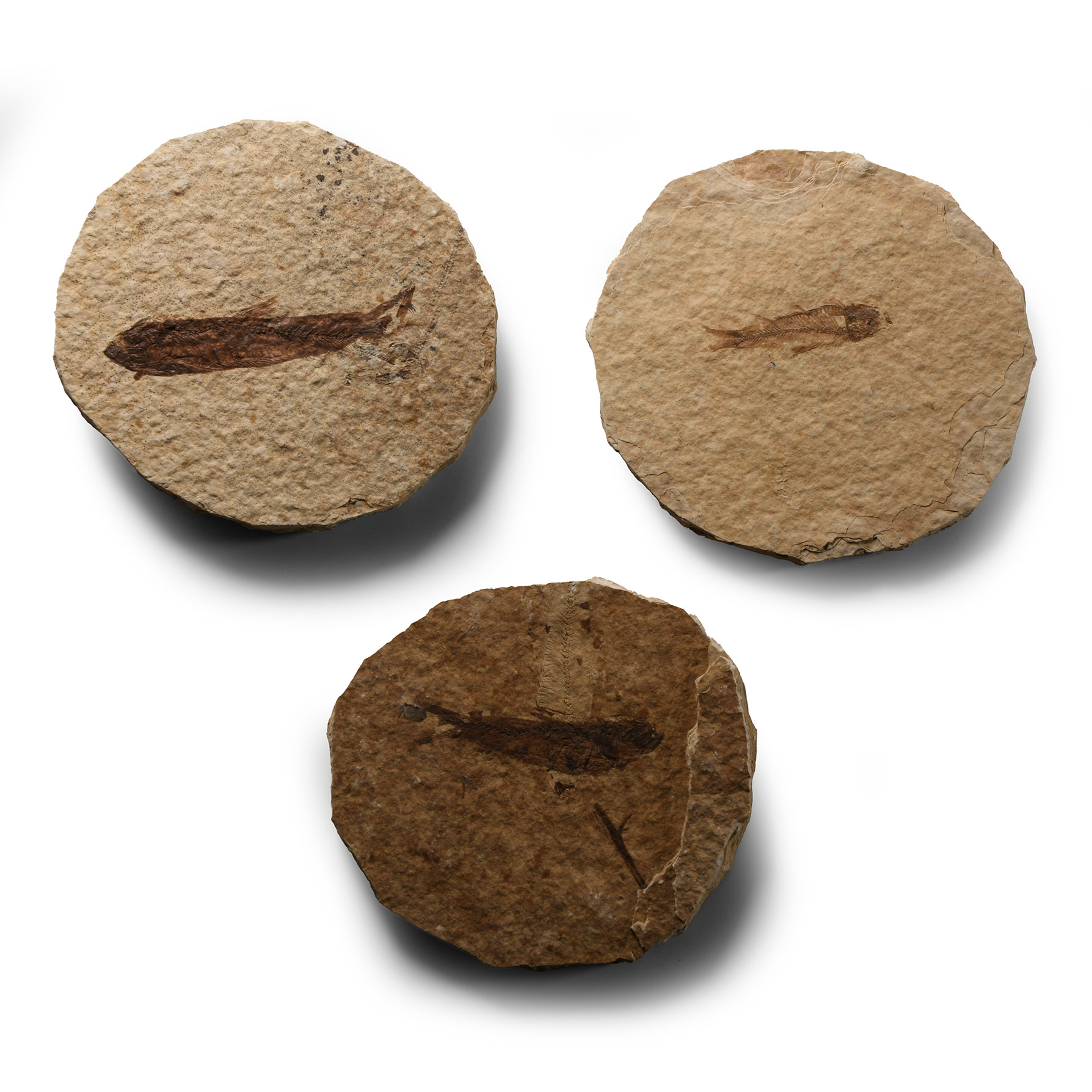
Natural History - Knightia Fossil Fish Group
EOCENE PERIOD, CIRCA 56-33 MILLION YEARS B.P.
2 7/8 - 3 in. (142 grams total, 73-75 mm).
Comprising three rounded matrices, each with a single Knightia alta specimen. [3, No Reserve]
ProvenanceFrom a Lincolnshire, UK, collection.
Property of a Cambridgeshire, UK, gentleman.
TimeLine Auctions follows a vetting process to ensure the authenticity and legality of all items, reinforcing our commitment to integrity and responsible trading. Each antiquity, antique, and coin lot undergoes thorough examination by a vetting committee of at least ten external specialists, professional trade association members, scientists, and archaeologists: Our Vetting Process
AUCTIONS:
TimeLine is a leading auction house specialising in antiquities, ancient art, collectables, natural history, coins, medals, and books. Our auctions offer museums, collectors, historians, and enthusiasts the opportunity to acquire unique and historically significant pieces.
-
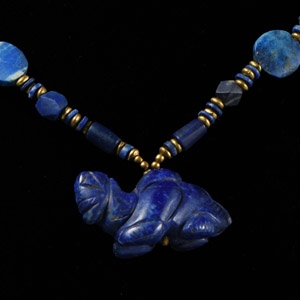
Bactrian Style Lapis Lazuli Bead Necklace
20th century A.D.Sold for (Inc. bp): £46
Restrung with tabular, tubular and other beads, metal spacers. 47 grams, 39 cm
Acquired on the London, UK, art market in the 1990s. Ex London, UK, gallery. -
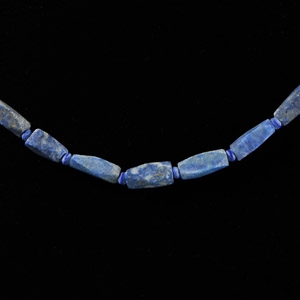
Bactrian Style Lapis Lazuli Bead Necklace
20th century A.D.Sold for (Inc. bp): £33
Restrung with tubular polyhedral beads. 12.2 grams, 40.5 cm
Acquired on the London, UK, art market in the 1990s. Ex London, UK, gallery. -
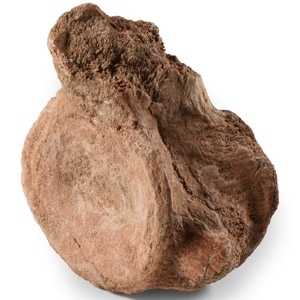
Natural History - Large Plesiosaurus 'Marine Dinosaur' Fossil Vertebra
Jurassic Period, 199-145 million years B.P.Sold for (Inc. bp): £104
Comprising the main body and remains of the transverse and spinous processes. 445 grams, 11.6 cm
From a Cambridgeshire, UK, collection. Property of a Cambridgeshire, UK, gentleman.
