
Loading, please wait...
LOT 2478
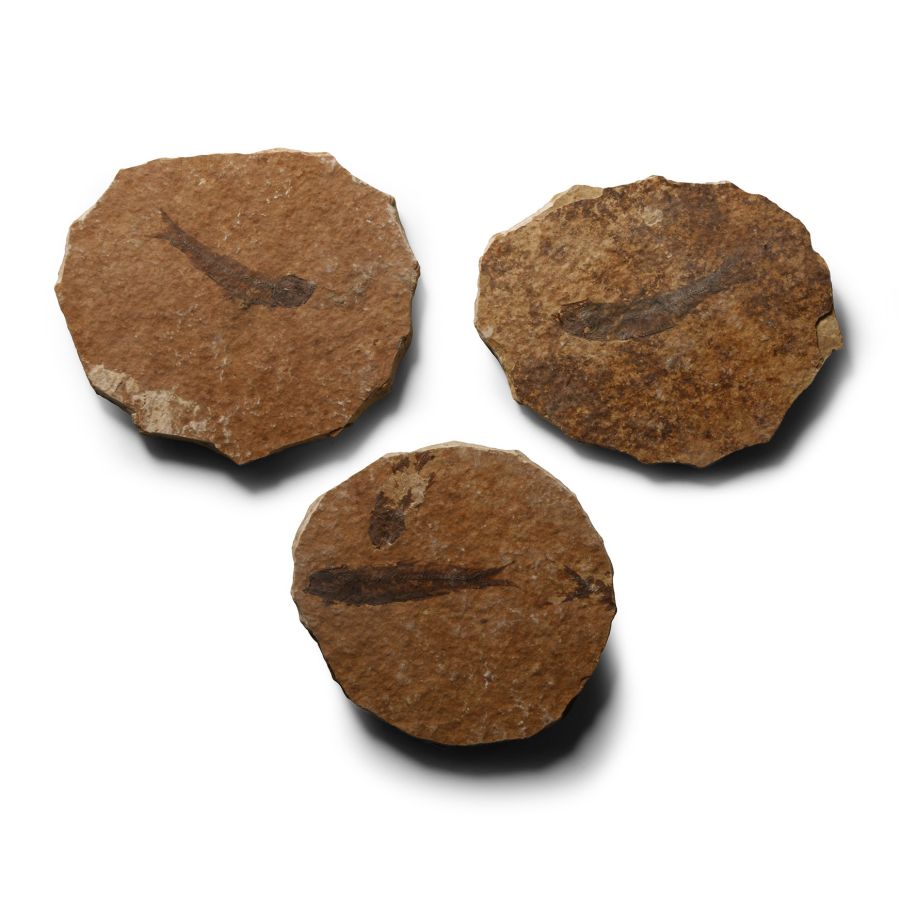
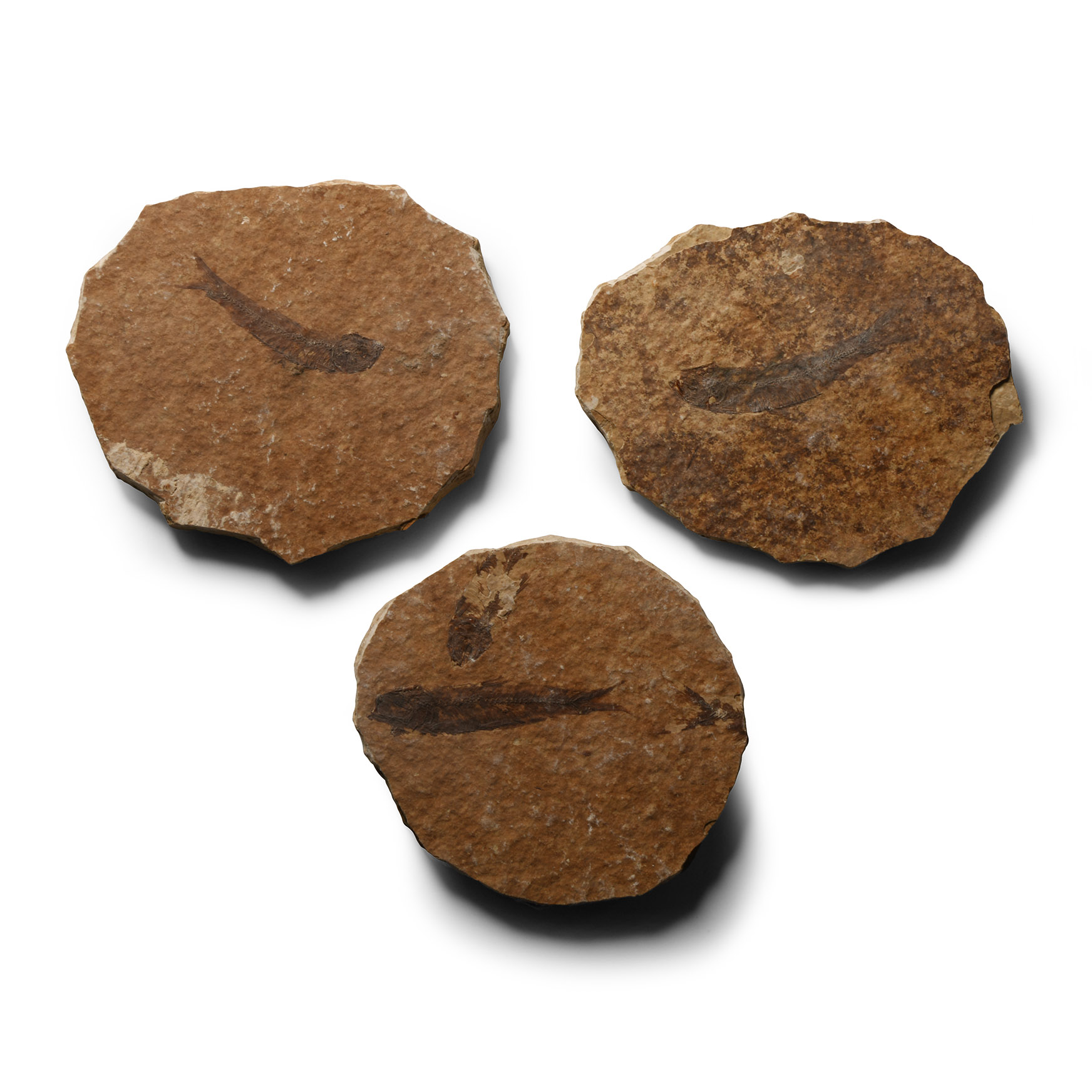
Natural History - Knightia Fossil Fish Group
EOCENE PERIOD, CIRCA 56-33 MILLION YEARS B.P.
3 1/8 - 3 5/8 in. (177 grams total, 80-91 mm).
Comprising three Knightia alta specimens, each on a rounded matrix. [3, No Reserve]
ProvenanceFrom Wyoming (Green River Formation), USA.
From a Lincolnshire, UK, collection.
In southwest Wyoming (and parts of Colorado and Utah) in the Green River Formation are found some of the world's most outstanding specimens of fossil fish. The Green River system was composed of three lakes: Lake Ulinta, Lake Gosiute and Fossil Lake. These Eocene lakes lay in a series of intermountain basins formed by geological events that uplifted the Rocky Mountains during the early Tertiary time. The climate was much different from the desert-like climate of this area today. Both the fauna (crocodiles, alligators, boa constrictors and some subtropical fish families) and the flora (such as large palm trees) indicate a climate much like that found along the Gulf Coast today. Large amounts of ash found in the sediments indicate that volcanoes were particularly active at this time.
CONDITIONTimeLine Auctions follows a vetting process to ensure the authenticity and legality of all items, reinforcing our commitment to integrity and responsible trading. Each antiquity, antique, and coin lot undergoes thorough examination by a vetting committee of at least ten external specialists, professional trade association members, scientists, and archaeologists: Our Vetting Process
AUCTIONS:
TimeLine is a leading auction house specialising in antiquities, ancient art, collectables, natural history, coins, medals, and books. Our auctions offer museums, collectors, historians, and enthusiasts the opportunity to acquire unique and historically significant pieces.
-
Natural History - Purple Agate Crystal Geode Cut Half Group
Sold for (Inc. bp): £20
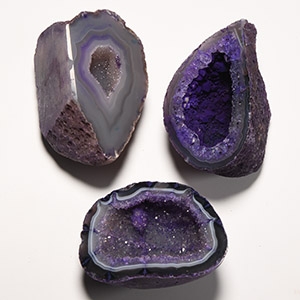
Each cut to reveal an internal crystal-filled cavity and banding; in enhanced dark purple colour. 772 grams total, 84-94 mm
Ex Mineral Imports, London, UK. Gregory, Bottley & Lloyd (Gregory's). -
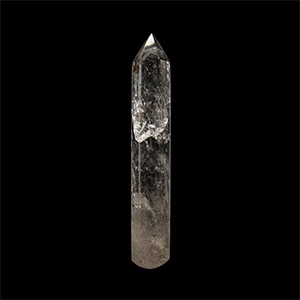
Natural History - Quartz Rock Crystal Massage Tool
Sold for (Inc. bp): £13
Prismatic, clear wand with rounded base, displaying internal iridescence. 45 grams, 10 cm
From Brazil. Ex Mineral Imports, London, UK. Gregory, Bottley & Lloyd (Gregory's). -
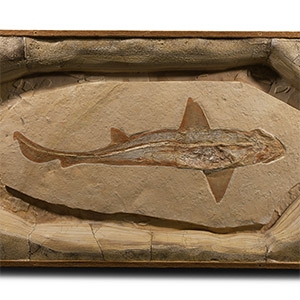
Natural History - Cretaceous Fossil Reef Shark
Late Cretaceous Period, circa 96-95 million years B.P.Sold for (Inc. bp): £13,000
A rare complete example of Paratriakis curtirostris within micritic matrix, displaying the spine, fins and tail with visible fin supports; the head with a number of teeth in situ; mounted in a custom-made wooden frame with a textured insert. 40.1 kg total, shark: 81 cm (68 x 127.5 cm)
Found Haqel, Lebanon. Ex Fine Fossils, UK. From the private collection of Mr J.G., a company executive. Studied by the University of Manchester, UK. Accompanied by an original signed handwritten note from Sir David Attenborough, 7 November 2022, which reads 'Dear J[ ] G[ ], You are indeed lucky to have such a spectacular fossil. Best wishes, David Attenborough'. Accompanied by a certificate of authenticity from Fine Fossils with certificate no.COLL011. Accompanied by a detailed geological report by Paul Goodrich. This lot has been checked against the Interpol Database of stolen works of art and is accompanied by search certificate no.12091-214455.
Paratriakis curtirostris was a resident in the shallows of the Tethys Ocean, which separated Africa, Europe, Indo-Australia and Asia. The genus is now extinct, but has a relative in the modern-day dogfish Triakis.
