
Loading, please wait...
LOT 2298
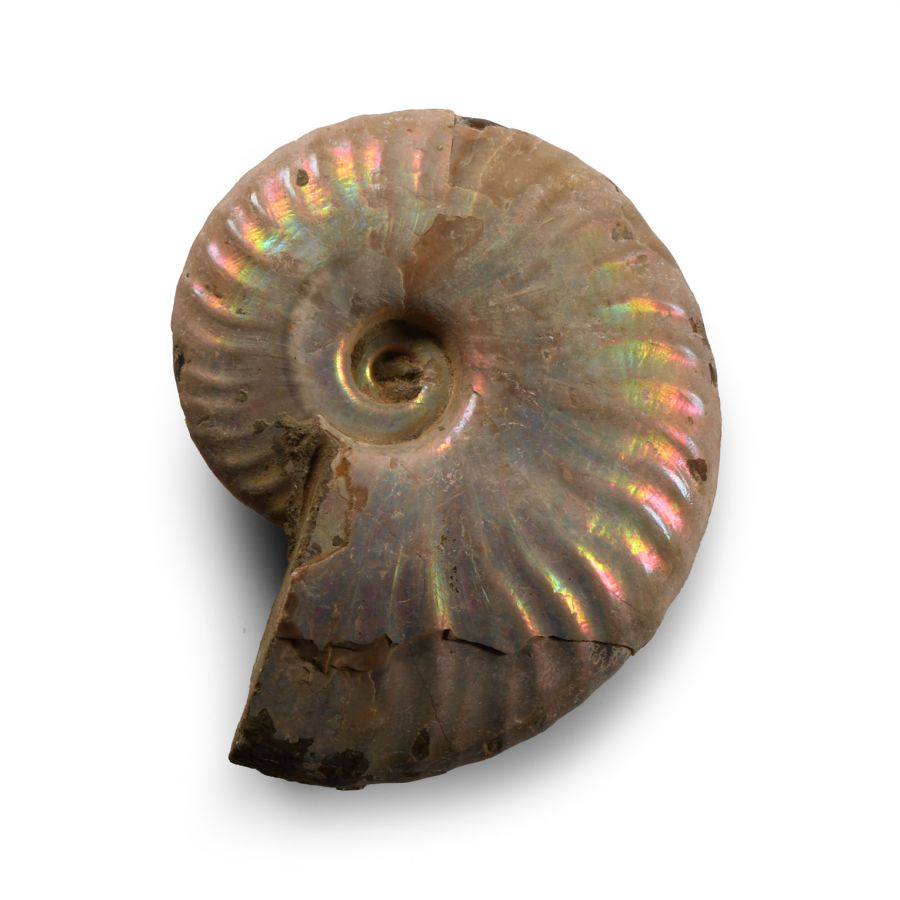
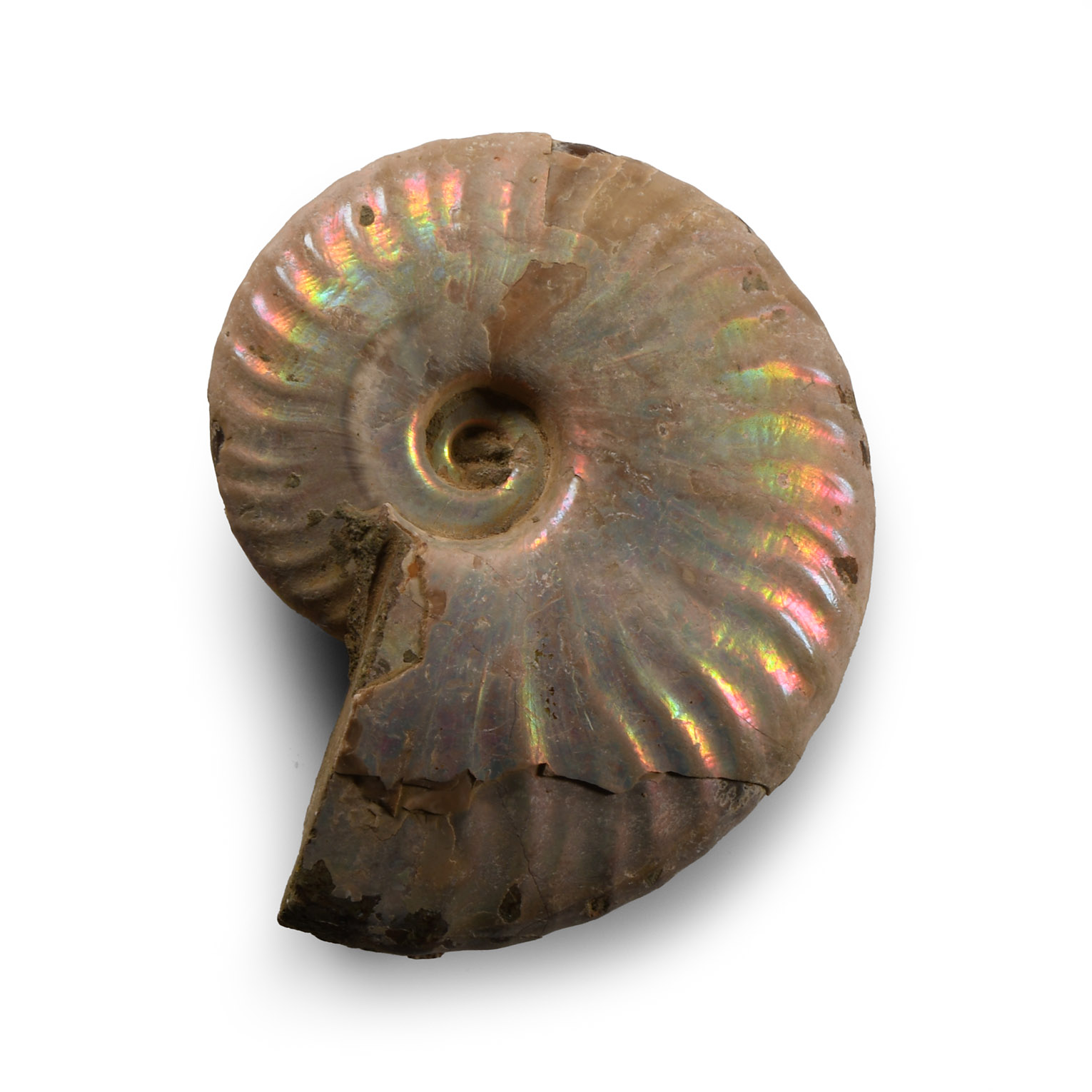
Natural History - Iridescent Fossil Ammonite
CRETACEOUS PERIOD, CIRCA 113-100 MILLION YEARS B.P.
2 5/8 in. (83 grams, 68 mm).
A naturally iridescent Cleoniceras besairiei ammonite. [No Reserve]
ProvenanceFrom a Lincolnshire, UK, collection.
Property of a Cambridgeshire, UK, gentleman.
TimeLine Auctions follows a vetting process to ensure the authenticity and legality of all items, reinforcing our commitment to integrity and responsible trading. Each antiquity, antique, and coin lot undergoes thorough examination by a vetting committee of at least ten external specialists, professional trade association members, scientists, and archaeologists: Our Vetting Process
AUCTIONS:
TimeLine is a leading auction house specialising in antiquities, ancient art, collectables, natural history, coins, medals, and books. Our auctions offer museums, collectors, historians, and enthusiasts the opportunity to acquire unique and historically significant pieces.
-
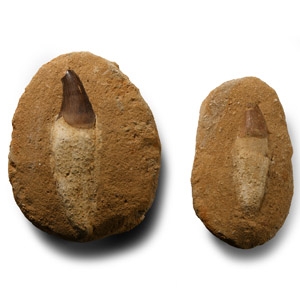
Natural History - Fossil Mosasaur 'Marine Dinosaur' Tooth with Root
Cretaceous Period, 145-65 million years B.P.Sold for (Inc. bp): £20
Comprising two Mosasaur prognathodon teeth and roots set in composite matrices. 763 grams total, 11.4-12 cm
From a Cambridgeshire, UK, collection. Property of a Cambridgeshire, UK, gentleman. -
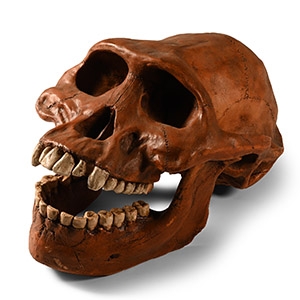
Natural History - Prehistoric Skull Replica
20th century A.D.Sold for (Inc. bp): £312
With narrow brain-pan and prominent incisor and canine teeth; perhaps Australopithecus. 1.54 kg, 20.5 cm
From a collection acquired on the UK art market from various auction houses and collections mostly before 2000. From an important Cambridgeshire estate; thence by descent. -
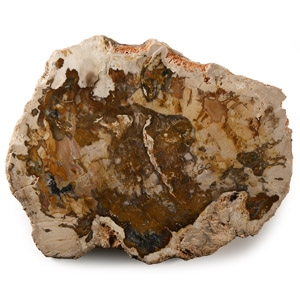
Natural History - Polished Fossil Wood Slice
Triassic Period, circa 250-200 million years B.P.Sold for (Inc. bp): £13
A cut and polished section of fossilised tree with some fine detail. 348 grams, 13.4 cm
From Madagascar. From a Cambridgeshire, UK, collection. Property of a Cambridgeshire, UK, gentleman.
