
Loading, please wait...
LOT 2496
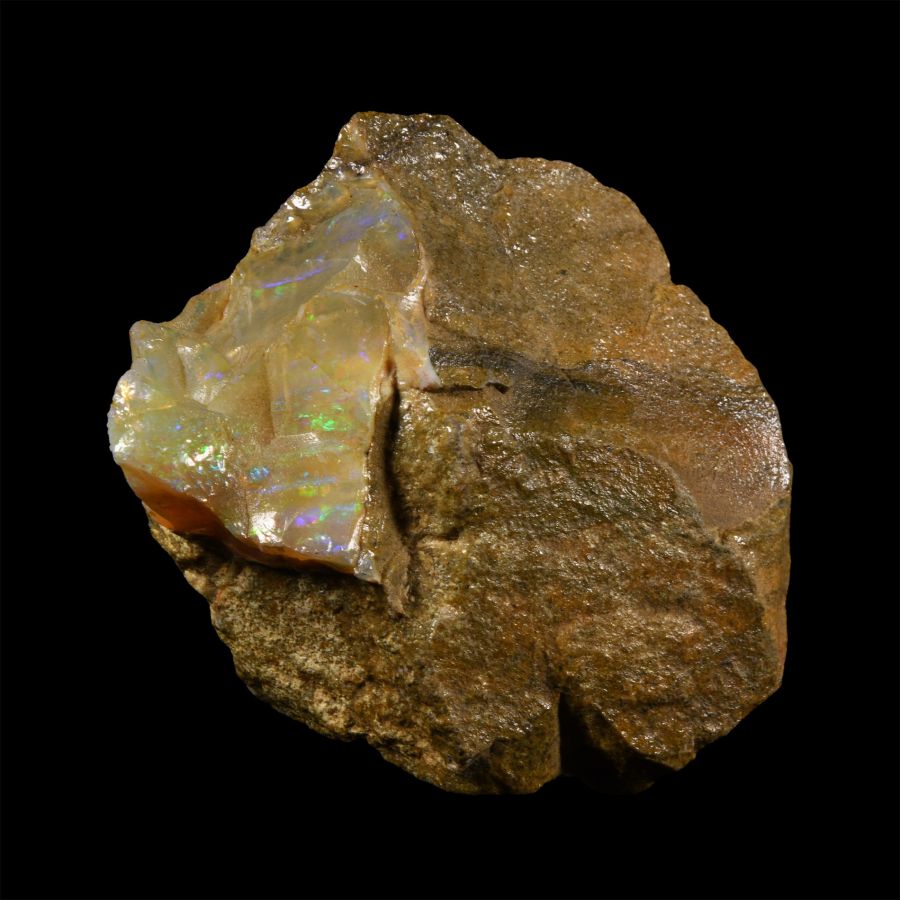
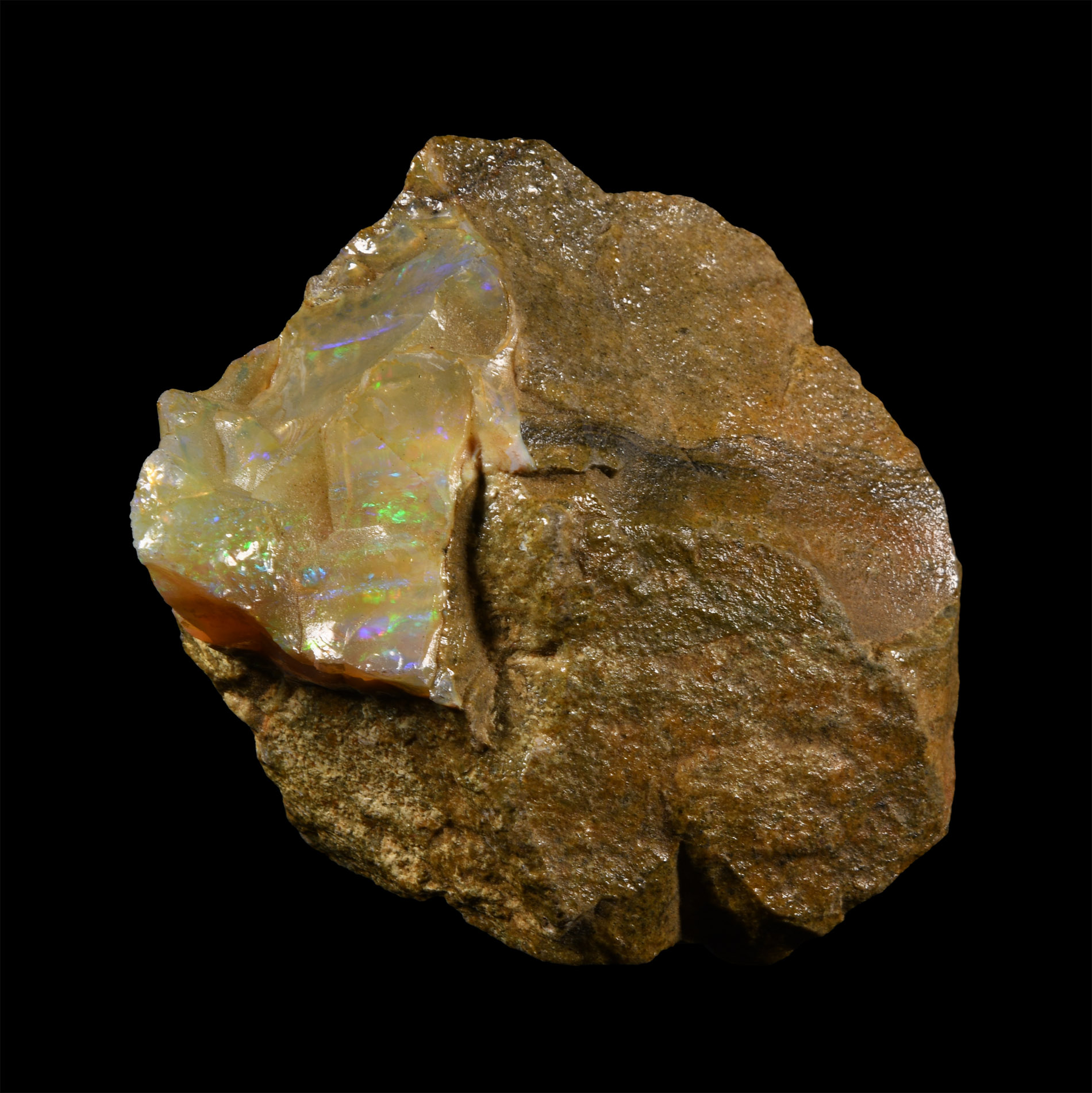
Natural History - Historic Opal Mineral Specimen
2 1/2 in. (105 grams, 65 mm).
Displaying iridescent milk-opal in a pale creamy-brown matrix, collection number 625. [No Reserve]
ProvenanceAcquired on the UK mineral and fossil market, since 1970.
From the historic mineral collection of Richard Valentine Cain, London, UK, thence by descent.
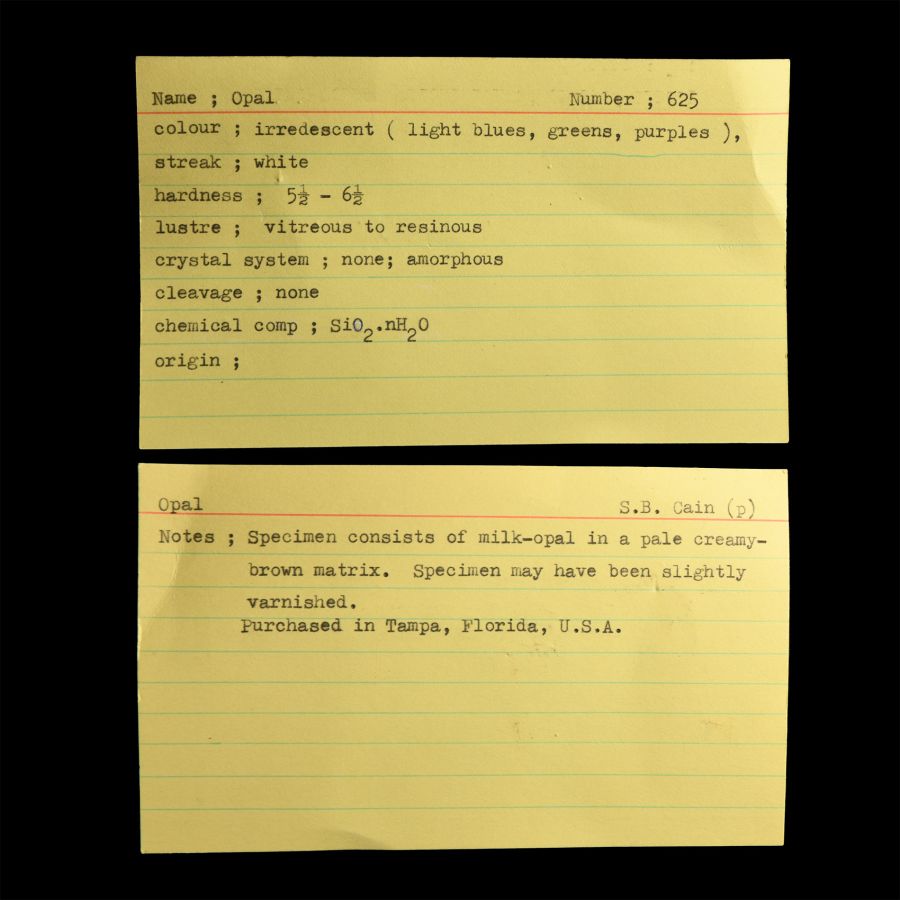
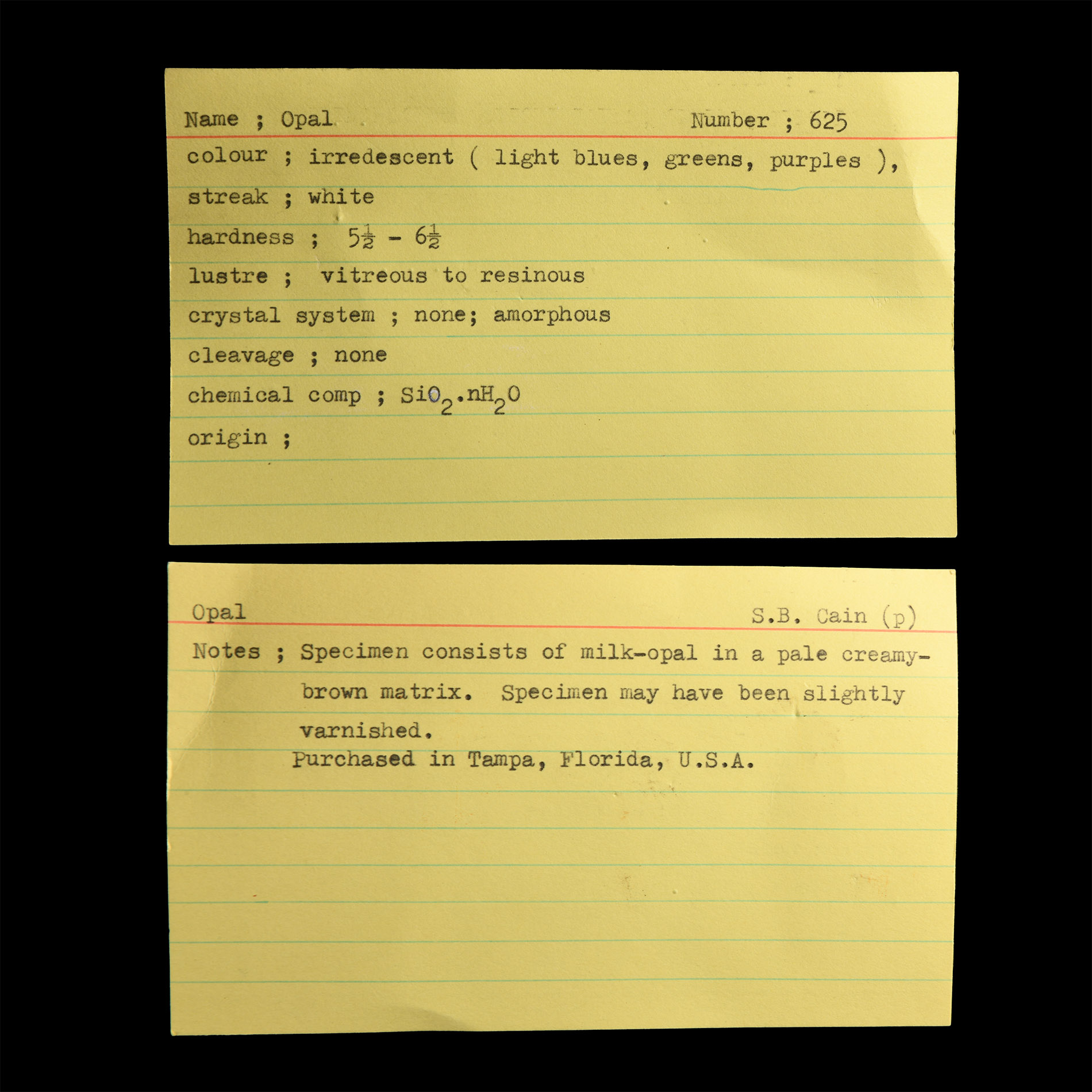
Accompanied by an original historic index file card.
TimeLine Auctions follows a vetting process to ensure the authenticity and legality of all items, reinforcing our commitment to integrity and responsible trading. Each antiquity, antique, and coin lot undergoes thorough examination by a vetting committee of at least ten external specialists, professional trade association members, scientists, and archaeologists: Our Vetting Process
AUCTIONS:
TimeLine is a leading auction house specialising in antiquities, ancient art, collectables, natural history, coins, medals, and books. Our auctions offer museums, collectors, historians, and enthusiasts the opportunity to acquire unique and historically significant pieces.
-
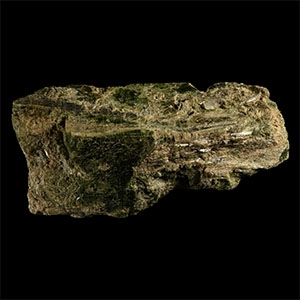
Natural History - Large Historic Jadeite Mineral Specimen
Sold for (Inc. bp): £46
A large sample displaying dark moss-green, dark emerald-green and light green colours, collection number 376. 1.17 kg, 15.4 cm
Acquired on the UK mineral and fossil market, since 1970. From the historic mineral collection of Richard Valentine Cain, London, UK, thence by descent. Accompanied by an original historic index file card. -
.jpg)
Natural History - Large British Pleuroceras Fossil Ammonite Multi Display
Jurassic Period, circa 180-178 million years B.P.Sold for (Inc. bp): £390
Showing specimens of Pleuroceras paucicostatum or Pleuroceras hawskerensefossil ammonites in a matrix, together with other inclusions; accompanied by a display stand. 2.4 kg, 17 cm
From Hawsker, North Yorkshire, UK. -
![Natural History - Large Brown Obsidian Volcanic Glass Specimen Group [34]](https://timelineauctions.com/upload/images/items/small/207974-s(1).jpg)
Natural History - Large Brown Obsidian Volcanic Glass Specimen Group [34]
Sold for (Inc. bp): £13
Comprising variously sized, brown to dark brown coloured chunks. 1.43 kg total, 38-53 mm
Ex Mineral Imports, London, UK. Gregory, Bottley & Lloyd (Gregory's).
