
Loading, please wait...
LOT 2467
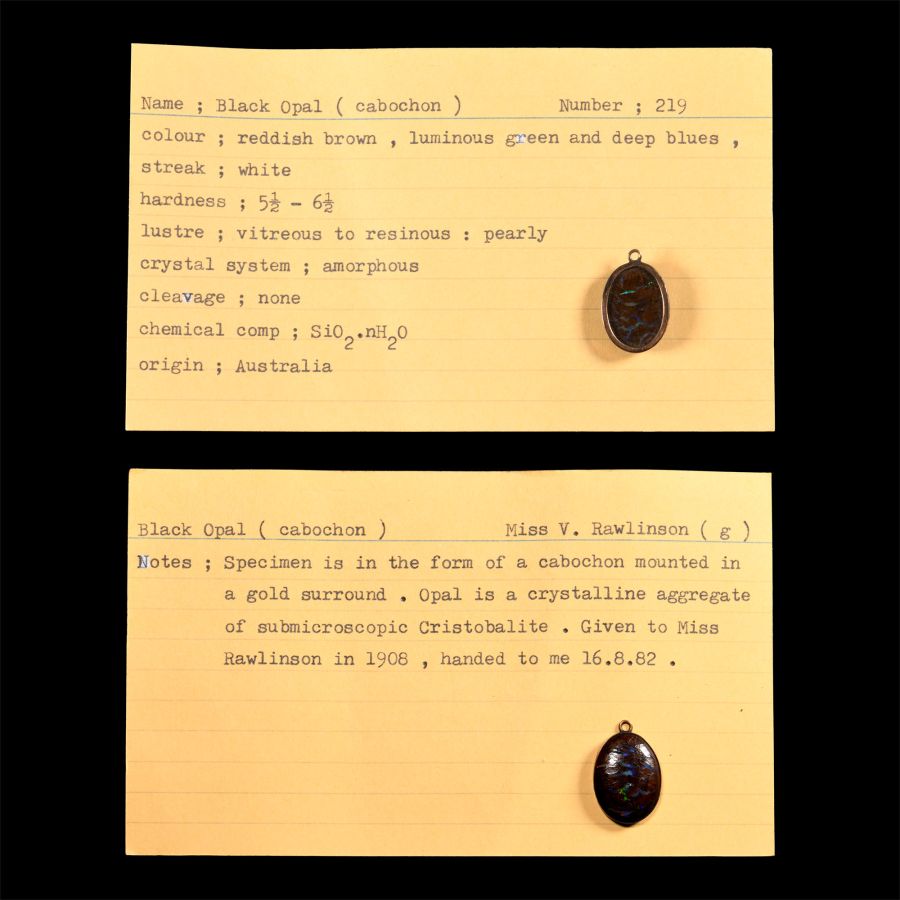
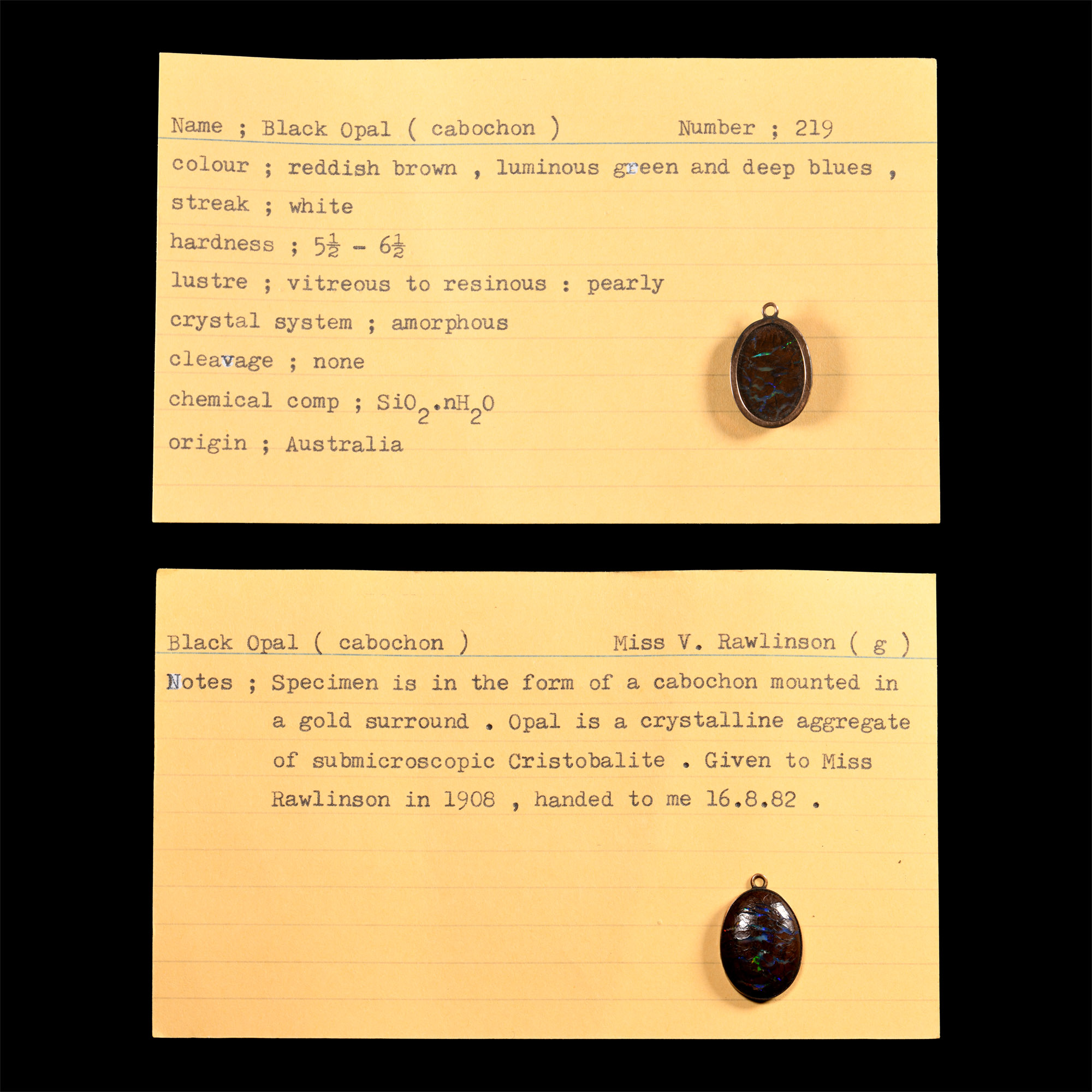
Natural History - Historic Mounted 'Australia' Black Opal Specimen Pendant
3/4 in. (1.77 grams, 20 mm).
Polished to an oval cabochon and mounted to a pendant frame, collection number 219. [No Reserve]
ProvenanceEx Miss Rawlinson in 1908.
Acquired on the UK mineral and fossil market, since 1970.
From the historic mineral collection of Richard Valentine Cain, London, UK, thence by descent.
Accompanied by an original historic index file card.
TimeLine Auctions follows a vetting process to ensure the authenticity and legality of all items, reinforcing our commitment to integrity and responsible trading. Each antiquity, antique, and coin lot undergoes thorough examination by a vetting committee of at least ten external specialists, professional trade association members, scientists, and archaeologists: Our Vetting Process
AUCTIONS:
TimeLine is a leading auction house specialising in antiquities, ancient art, collectables, natural history, coins, medals, and books. Our auctions offer museums, collectors, historians, and enthusiasts the opportunity to acquire unique and historically significant pieces.
LOT 2467
Natural History - Historic Mounted 'Australia' Black Opal Specimen Pendant
Sold for (Inc. bp): £150
-
.jpg)
Natural History - Amber with Insect Inclusions
Oligocene Period, circa 45 million years B.P.Sold for (Inc. bp): £33
A specimen of polished amber with insect inclusion. 2.23 grams, 25 mm
Ex private UK collection formed in the 1980s. Property of an East Sussex, UK, teacher. -
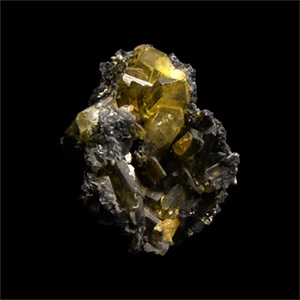
Natural History - Historic 'Toussilte, Morocco' Anglesite Crystals on Galena Mineral Specimen
Sold for (Inc. bp): £59
Consisting of a cluster of yellow anglesite crystals on a galena matrix, collection number 551. 55 grams, 39 mm
Acquired on the UK mineral and fossil market, since 1970. From the historic mineral collection of Richard Valentine Cain, London, UK, thence by descent. Accompanied by an original historic index file card. -
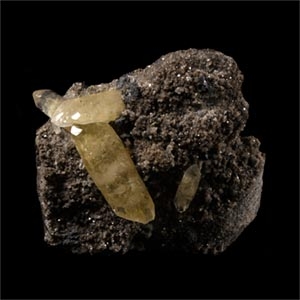
Natural History - Historic 'Missouri Calcite Mineral Specimen
Sold for (Inc. bp): £39
With creamy yellowish white, ash and blue grey crystals, collection number 107. 422 grams, 90 mm
Acquired on the UK mineral and fossil market, since 1970. From the historic mineral collection of Richard Valentine Cain, London, UK, thence by descent. Accompanied by an original historic index file card.
