
Loading, please wait...

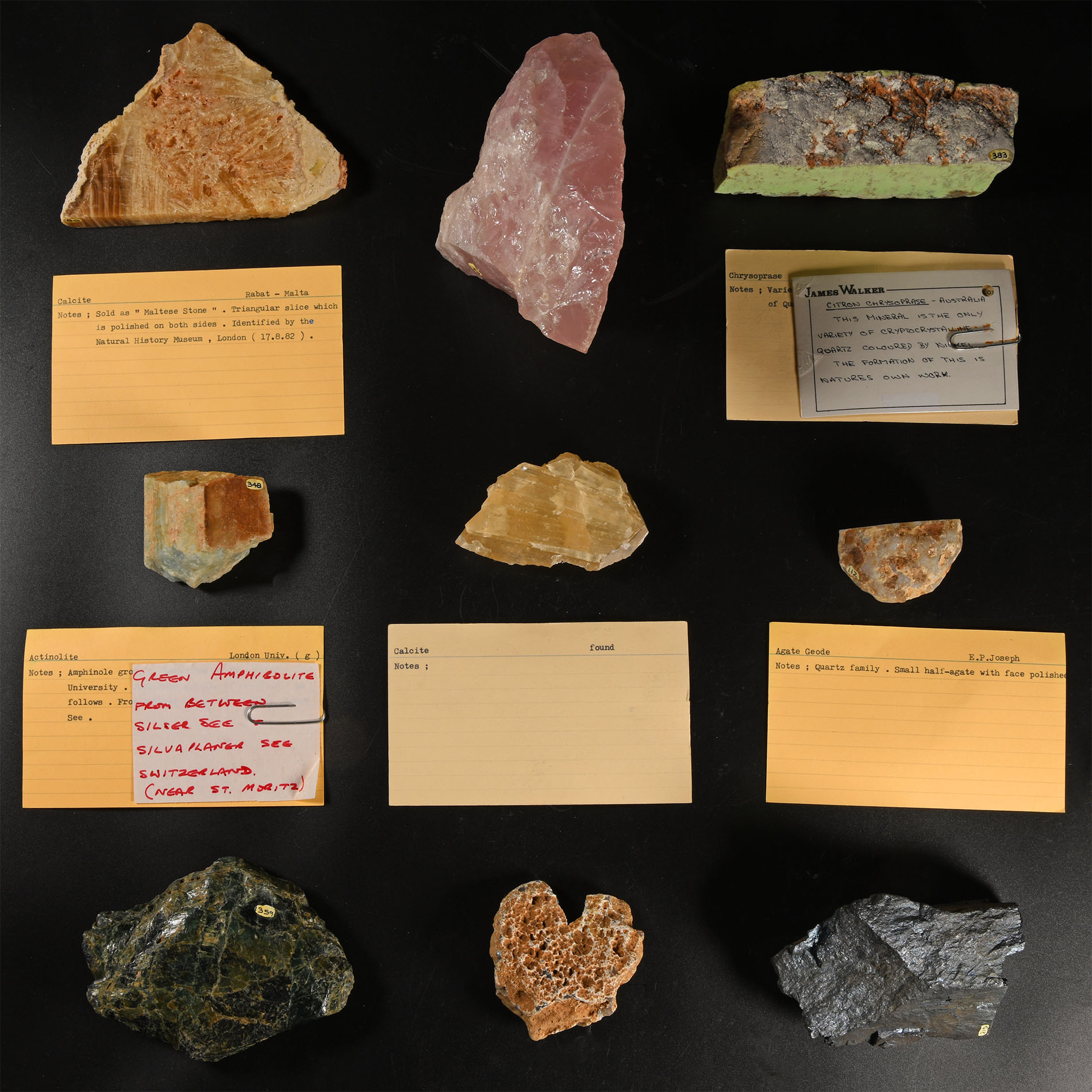
LOT 2822
Natural History - Historic Mineral Specimen Collection
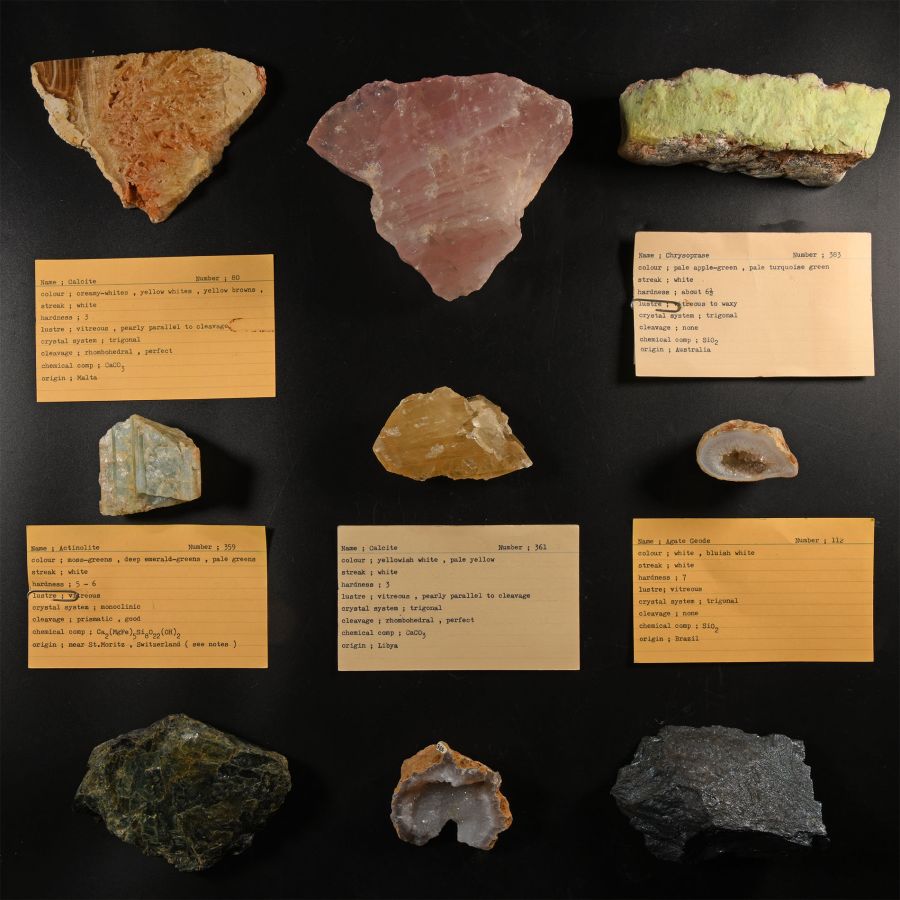
2 - 5 1/8 in. (2.8 kg total, 5.1-13 cm).
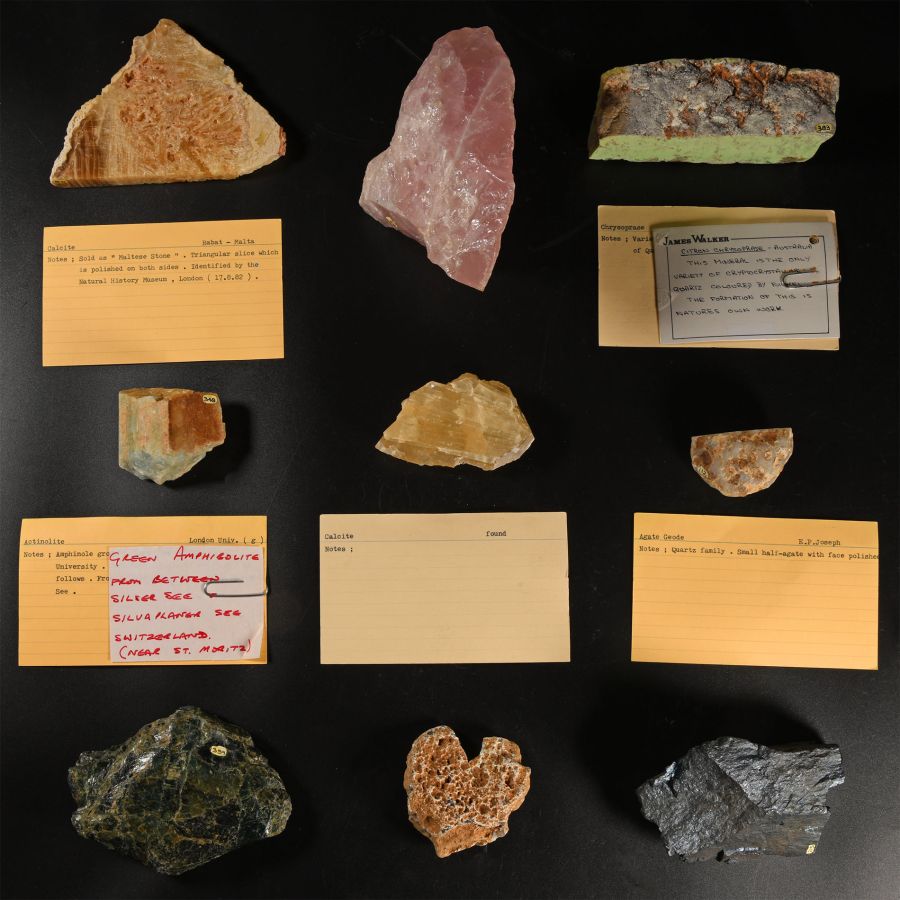
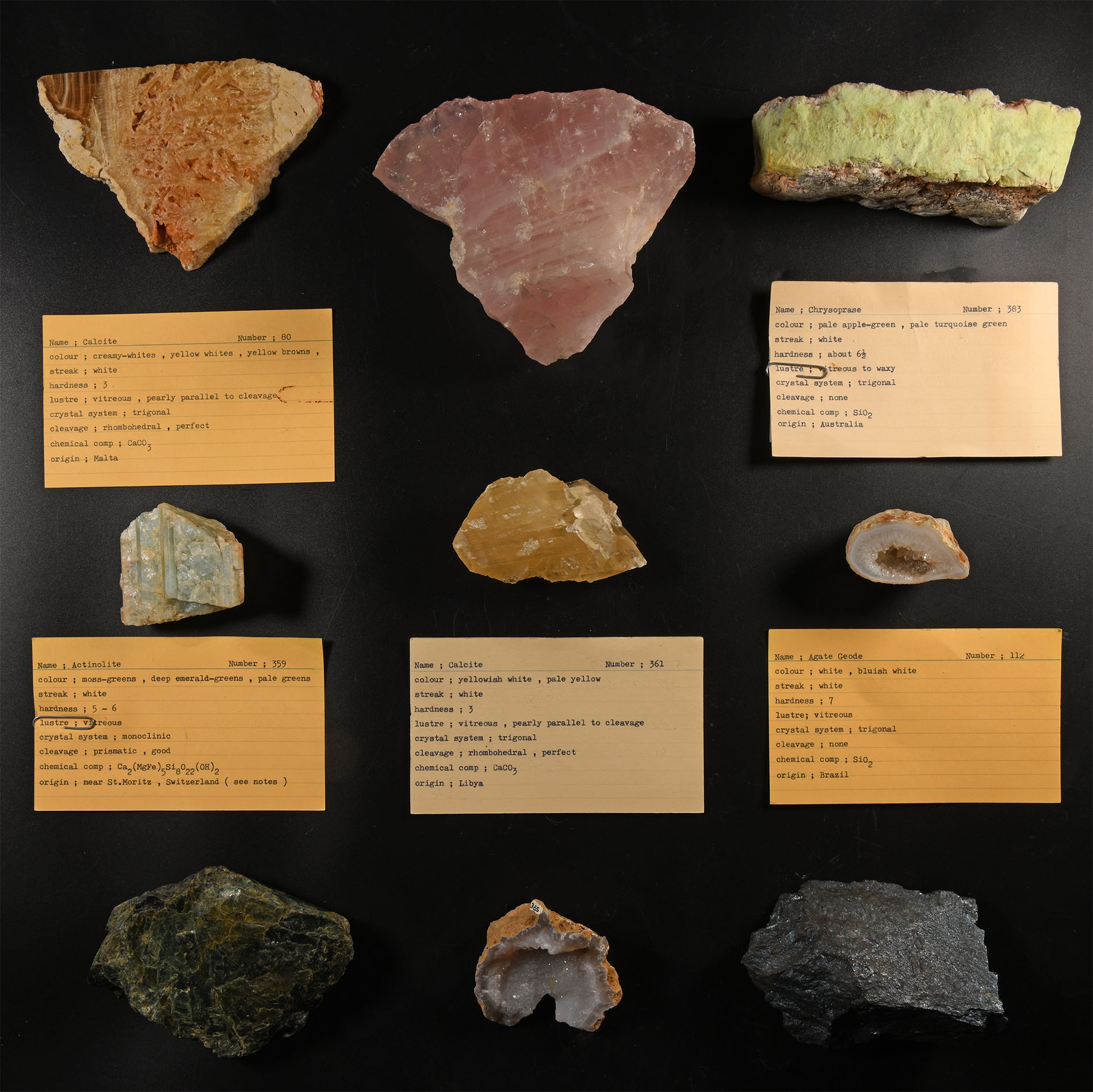
Comprising: a cut sample of chrysoprase from Australia, collection number 383; bornite from North Transvaal, North Africa, collection number 215; yellow calcite from Libya, collection number 361; a cut geode half from Brazil, collection number 112; a cut calcite slice from Malta, collection number 80; green actinolite from near St Moritz, Switzerland, collection number 359; a large rose quartz specimen from Brazil, collection number 64; agate geode section, collection number 385; actinolite from near St Moritz, Switzerland, collection number 359. [9, No Reserve]
ProvenanceAcquired on the UK mineral and fossil market, since 1970.
From the historic mineral collection of Richard Valentine Cain, London, UK, thence by descent.
Five specimens accompanied by an original historic index file card.
TimeLine Auctions follows a vetting process to ensure the authenticity and legality of all items, reinforcing our commitment to integrity and responsible trading. Each antiquity, antique, and coin lot undergoes thorough examination by a vetting committee of at least ten external specialists, professional trade association members, scientists, and archaeologists: Our Vetting Process
AUCTIONS:
TimeLine is a leading auction house specialising in antiquities, ancient art, collectables, natural history, coins, medals, and books. Our auctions offer museums, collectors, historians, and enthusiasts the opportunity to acquire unique and historically significant pieces.
-
![Natural History - Polished Amethyst Crystal Pebble Group [100]](https://timelineauctions.com/upload/images/items/small/207938-s(1).jpg)
Natural History - Polished Amethyst Crystal Pebble Group [100]
Sold for (Inc. bp): £39
Displaying attractive banding, the colouring varying from light to dark purple. 232 grams total, 12-30 mm
From Brazil. Ex Mineral Imports, London, UK. Gregory, Bottley & Lloyd (Gregory's). -
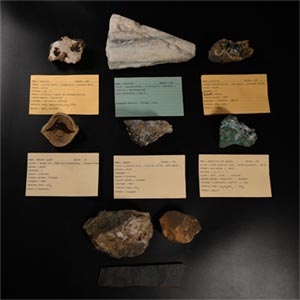
Natural History - Historic Mineral Specimen Collection
Sold for (Inc. bp): £7
Comprising: quartzite, collection number 407; fluorite from Cumbria, collection number 431, with an old Gregory, Bottley & Lloyd label; stilbite from Skye, Scotland, collection number 286; quartz from Cornwall, England, collection number 295; iron on matrix slate from England, collection number 89; septarian nodule from Horsenden Hill, Ealing, Middlesex, England, collection number 216; malachite with quartz from Mexico, collection number 59; thunder agate from Australia, collection number 45; quartz from Cornwall, England, collection number 295. 2.01 kg total, 6.7-17 cm
Acquired on the UK mineral and fossil market, since 1970. From the historic mineral collection of Richard Valentine Cain, London, UK, thence by descent. Six specimens accompanied by an original historic index file card. -
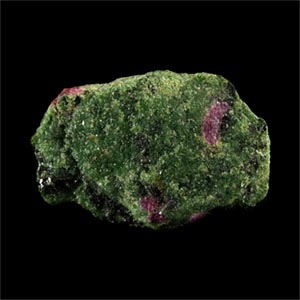
Natural History - Historic 'Tanzania' Ruby Chrom-zoisite Mineral Specimen
Sold for (Inc. bp): £59
Displaying vivid emerald-green, ruby-red and greyish black colours, collection number 381. 140 grams, 76 mm
Acquired on the UK mineral and fossil market, since 1970. From the historic mineral collection of Richard Valentine Cain, London, UK, thence by descent. Accompanied by an original historic index file card.
This form of ruby zoisite can only be found in Tanzania.
