
Loading, please wait...
LOT 2474
Natural History - Historic Mineral Specimen Collection
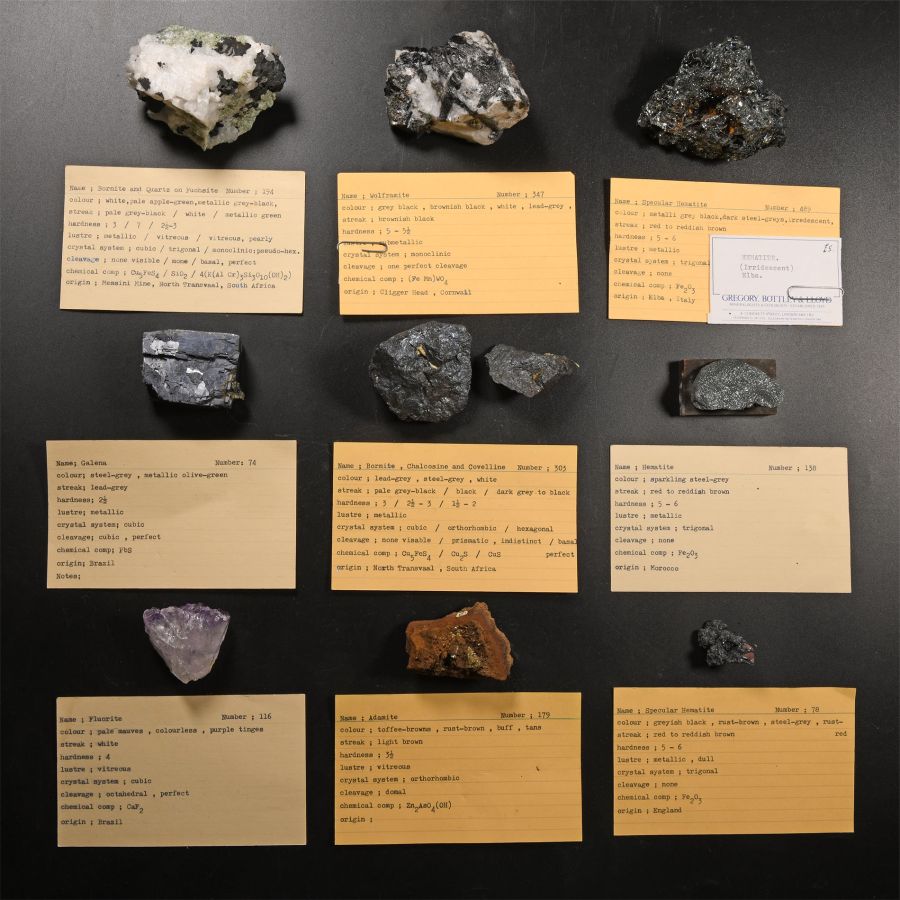
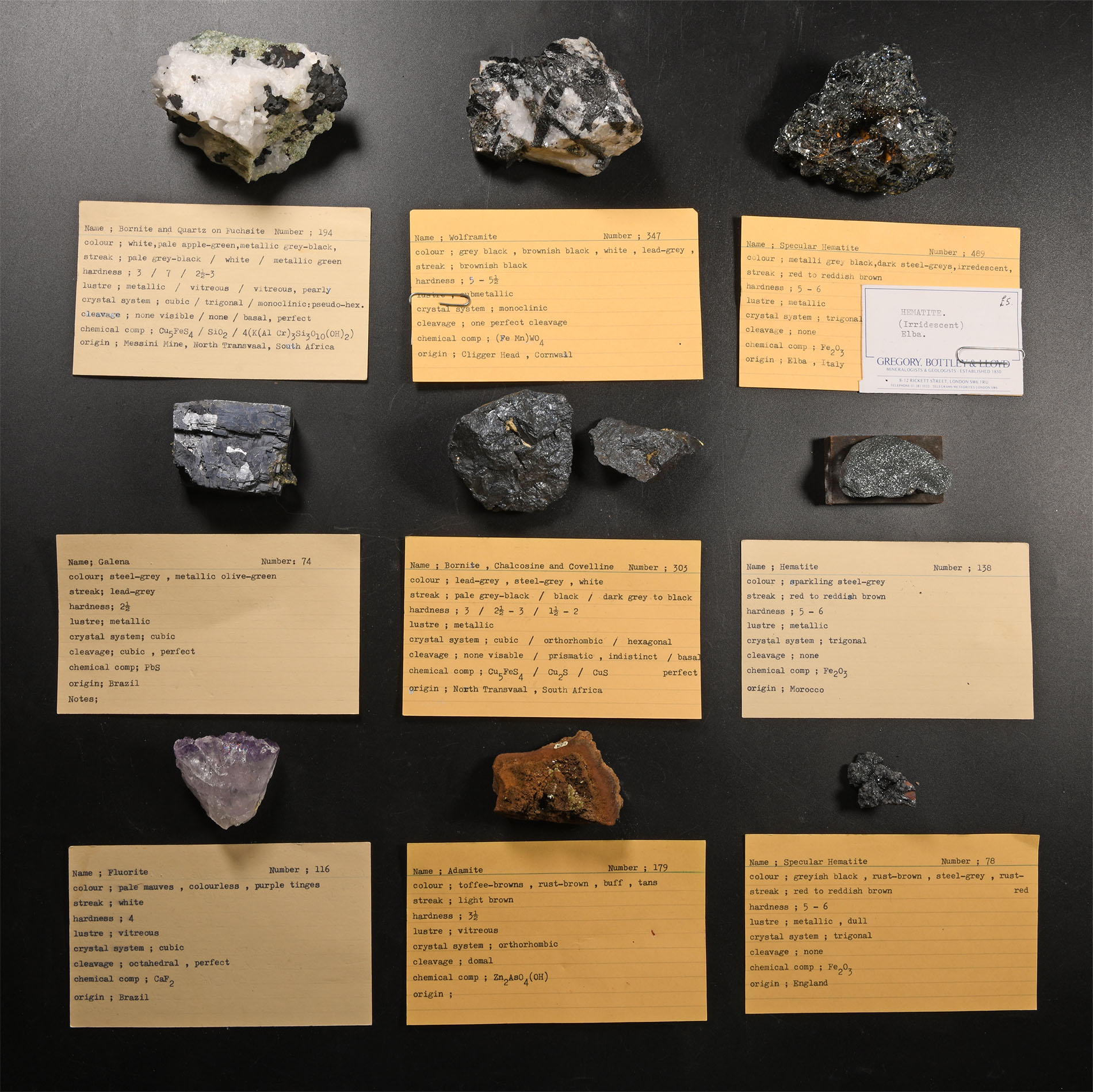
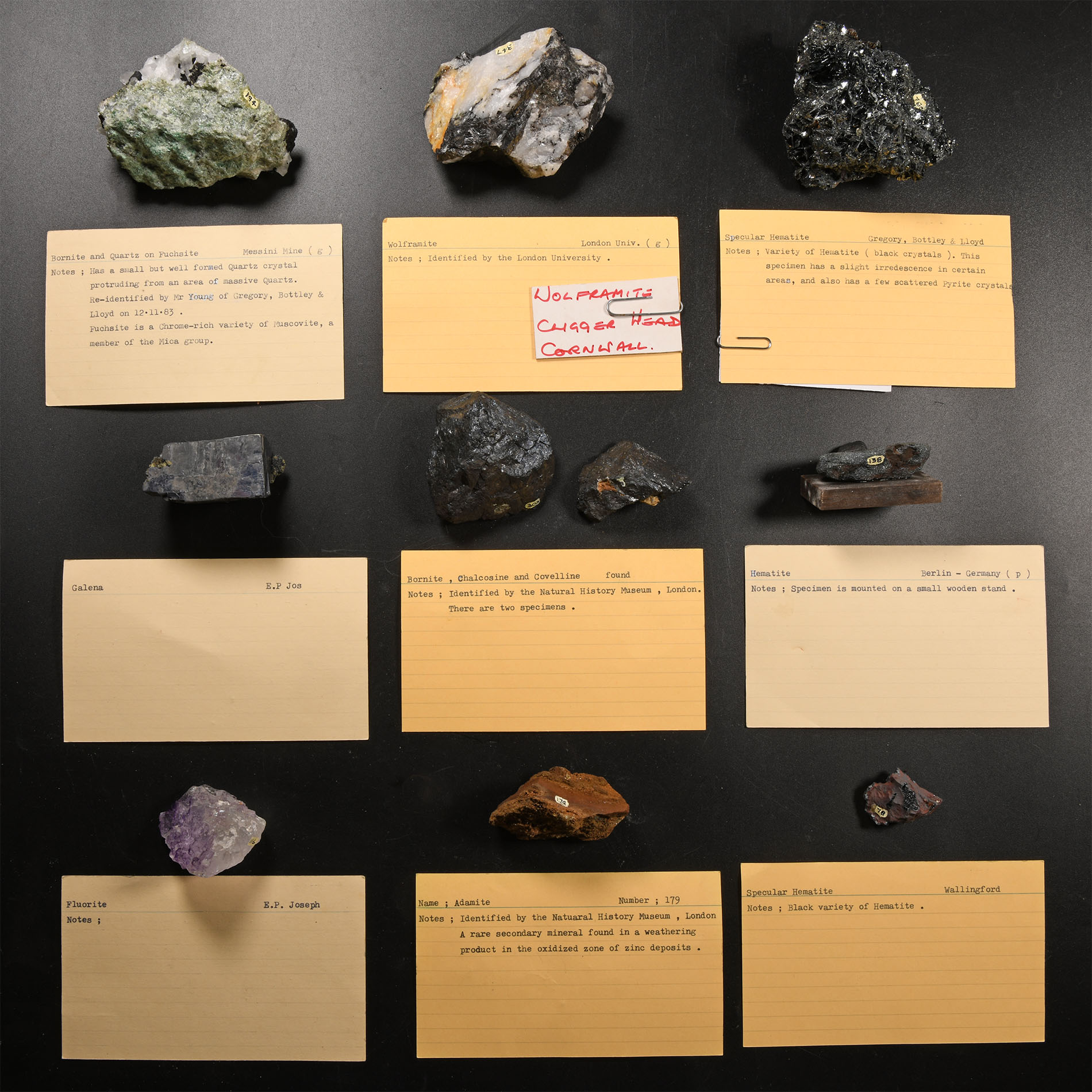
1 - 3 1/4 in. (1.44 kg total, 26-83 mm).
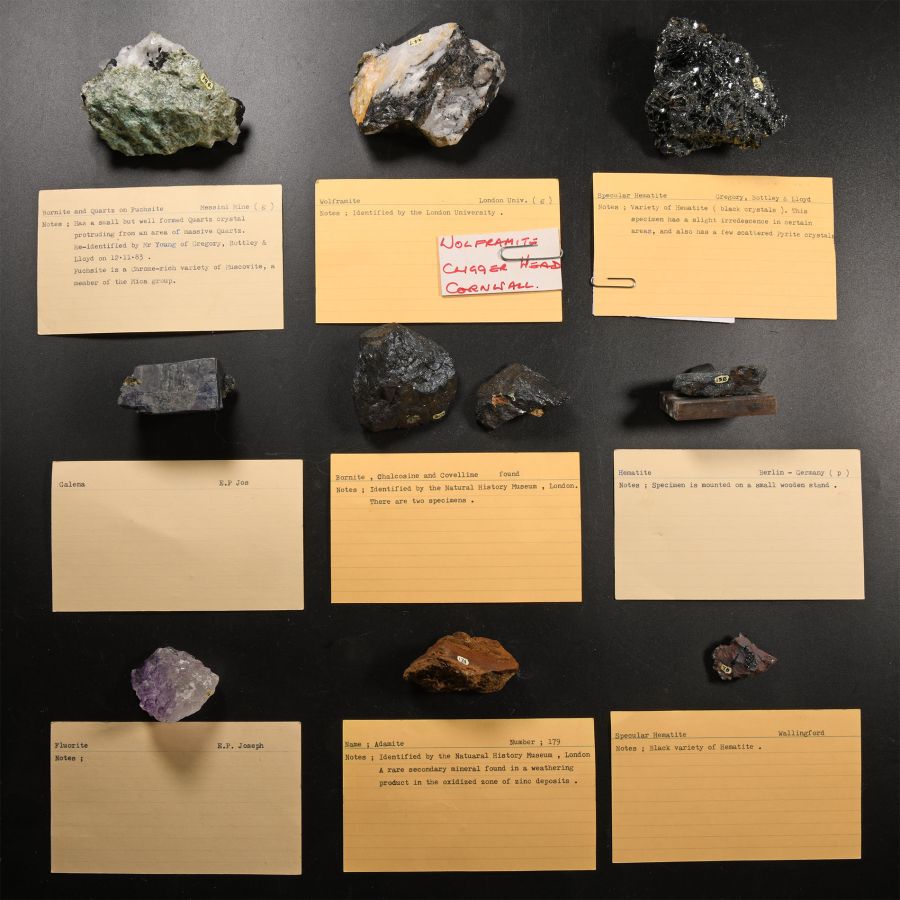
Comprising: fluorite from Brazil, collection number 116; bornite and quartz on fuchsite from Messini Mine, North Transvaal, South Africa, collection number 194; galena from Brazil, collection number 74; two samples of bornite, chalcosine and covelline from North Transvaal, South Africa, collection number 303; specular hematite from Elba, Italy, collection number 489, with an old Gregory, Bottley & Lloyd label; adamite, collection number 179; wolframite from Cligger Head, Cornwall, England, collection number 347; hematite from Morocco, collection number 138; specular hematite from England, collection number 78. [10, No Reserve]
ProvenanceAcquired on the UK mineral and fossil market, since 1970.
From the historic mineral collection of Richard Valentine Cain, London, UK, thence by descent.
Each specimen accompanied by an original historic index file card.
TimeLine Auctions follows a vetting process to ensure the authenticity and legality of all items, reinforcing our commitment to integrity and responsible trading. Each antiquity, antique, and coin lot undergoes thorough examination by a vetting committee of at least ten external specialists, professional trade association members, scientists, and archaeologists: Our Vetting Process
AUCTIONS:
TimeLine is a leading auction house specialising in antiquities, ancient art, collectables, natural history, coins, medals, and books. Our auctions offer museums, collectors, historians, and enthusiasts the opportunity to acquire unique and historically significant pieces.
-
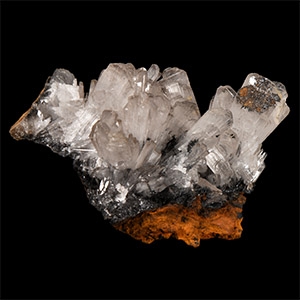
Natural History - Historic 'Mexico' Hemimorphite Crystal Specimen
Sold for (Inc. bp): £98
Comprising tabular colourless crystals on a this bed of hematite, collection number 572, with an old Gregory, Bottley & Lloyd label. 65 grams, 59 mm
Acquired on the UK mineral and fossil market, since 1970. From the historic mineral collection of Richard Valentine Cain, London, UK, thence by descent. Accompanied by an original historic index file card. -
![Natural History - Medium Sized Green Beryl Mineral Specimen Group [50]](https://timelineauctions.com/upload/images/items/small/208076-s(1).jpg)
Natural History - Medium Sized Green Beryl Mineral Specimen Group [50]
Sold for (Inc. bp): £13
Comprising a number of light green chunks in various sizes. 2.67 kg total, 34-60 mm
Ex Mineral Imports, London, UK. Gregory, Bottley & Lloyd (Gregory's). -
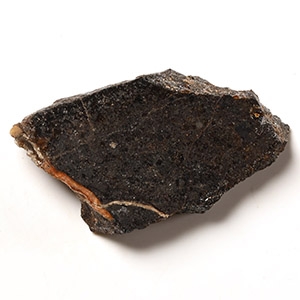
Natural History - Angrite NWA 2999 Meteorite Slice
Found 2004 A.D.Sold for (Inc. bp): £72
An irregular section of angrite meteorite recorded as: Northwest Africa 2999; displayed in a Swiss membrane box and with an inked 'NWA 2999' to one side. 1.73 grams, 20 mm (28.4 grams total, 84 x 59 mm including case)
From the Sahara Desert, North West Africa. Ex Hupé collection, U.S.A. From a Leicestershire, UK, collection.
This specimen fragment formed part of a group of twelve individual dark brown stones totalling 392 grams, each with a thin fusion crust, that were acquired by G. Hupé in August 2004 in Tagounite.
