
Loading, please wait...
LOT 2543
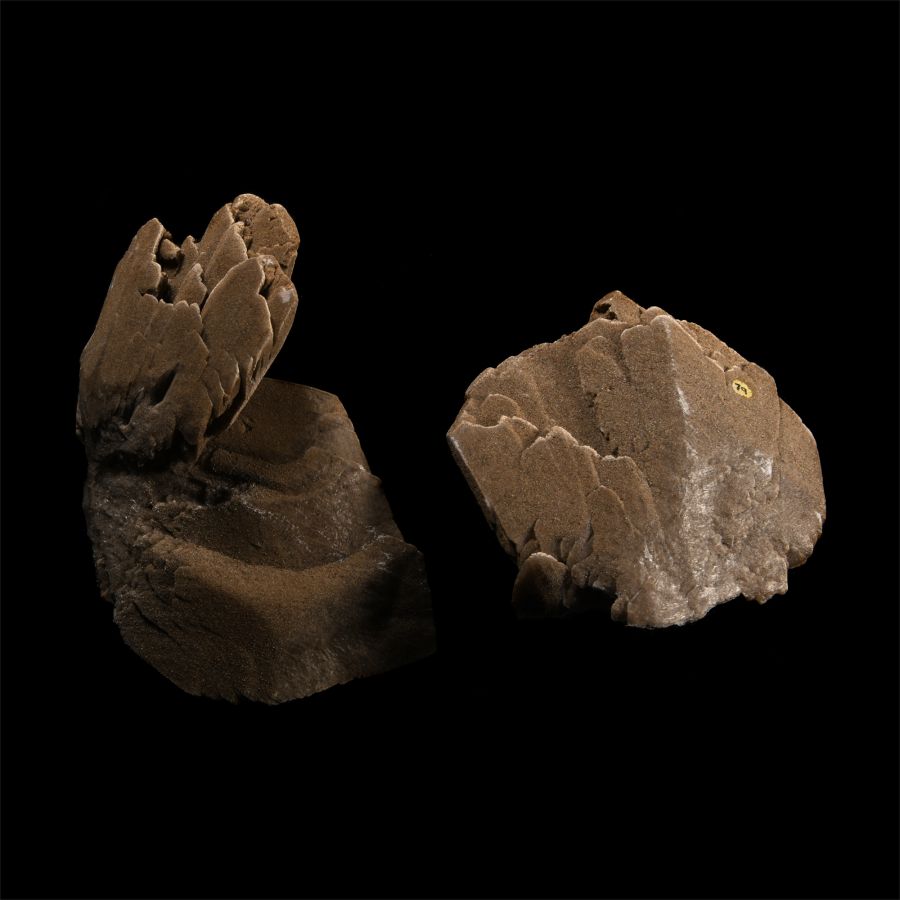
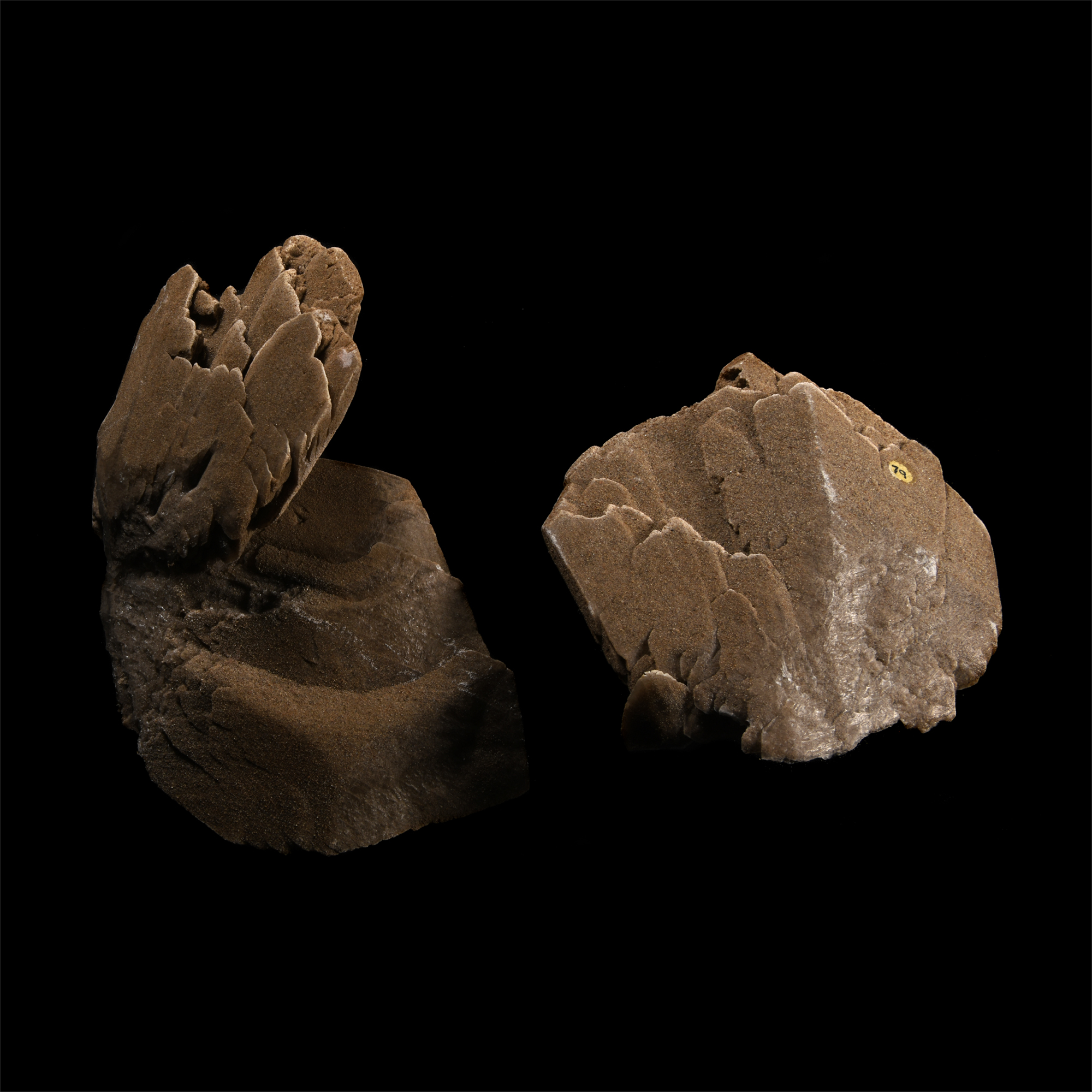
Natural History - Historic Large Gypsum Mineral Specimen
7 in. (776 grams, 17.8 cm).
A large specimen with large blades from Mexico, collection number 79. [No Reserve]
ProvenanceAcquired on the UK mineral and fossil market, since 1970.
From the historic mineral collection of Richard Valentine Cain, London, UK, thence by descent.
TimeLine Auctions follows a vetting process to ensure the authenticity and legality of all items, reinforcing our commitment to integrity and responsible trading. Each antiquity, antique, and coin lot undergoes thorough examination by a vetting committee of at least ten external specialists, professional trade association members, scientists, and archaeologists: Our Vetting Process
AUCTIONS:
TimeLine is a leading auction house specialising in antiquities, ancient art, collectables, natural history, coins, medals, and books. Our auctions offer museums, collectors, historians, and enthusiasts the opportunity to acquire unique and historically significant pieces.
LOT 2543
Natural History - Historic Large Gypsum Mineral Specimen
Sold for (Inc. bp): £13
-
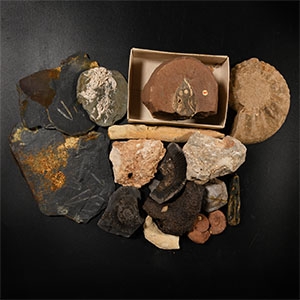
Natural History - Historic Fossil Specimen Collection
Mainly Jurassic Period, circa 201-145 million years B.P.Sold for (Inc. bp): £7
An interesting group of mixed fossils and other specimens including ammonites, leaf fossils, and others. 1.37 kg total, 2.8-13.2 cm
Acquired on the UK mineral and fossil market, since 1970. From the historic mineral collection of Richard Valentine Cain, London, UK, thence by descent. -
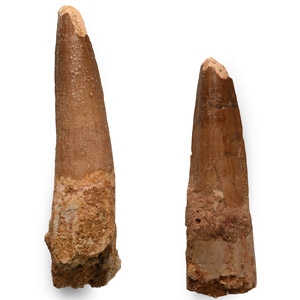
Natural History - Fossil Spinosaurus Dinosaur Tooth Group
Cretaceous Period, circa 125-113 million years B.P.Sold for (Inc. bp): £46
Comprising two teeth with partial root. 30 grams total, 62-73 mm
From a Lincolnshire, UK, collection.
The Spinosaurus was both a beachcomber type scavenger and an active hunter taking small stranded Plesiosaurs, Pterosaurs, turtles and large fish. -
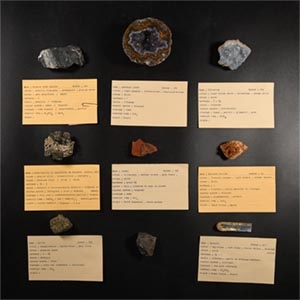
Natural History - Historic Mineral Specimen Collection
Sold for (Inc. bp): £104
Comprising: blue kyanite from Minas Gerais, Brazil, collection number 427; stained calcite from Ghajn Tuffer, Malta, collection number 41; amethyst geode half from Brazil, collection number 276; pyrite, collection number 343; bornite with calcite, collection number 162; light blue celestine, collection number 264; chalcopyrite on sphalerite on dolomite from Joplin district, Missouri, USA; jasper from North Transvaal, South Africa, collection number 226; chalcopyrite from North Transvaal, South Africa, collection number 193. 655 grams total, 32-77 mm
Acquired on the UK mineral and fossil market, since 1970. From the historic mineral collection of Richard Valentine Cain, London, UK, thence by descent. Eight specimens accompanied by an original historic index file card.
