
Loading, please wait...
LOT 2819
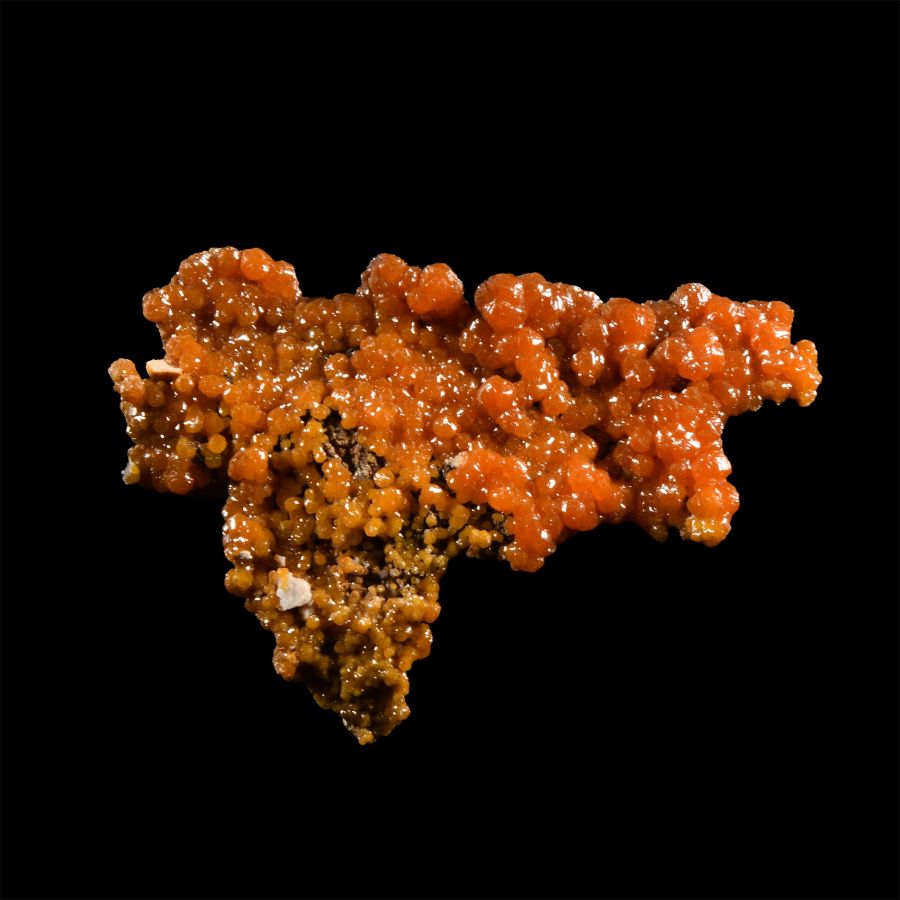
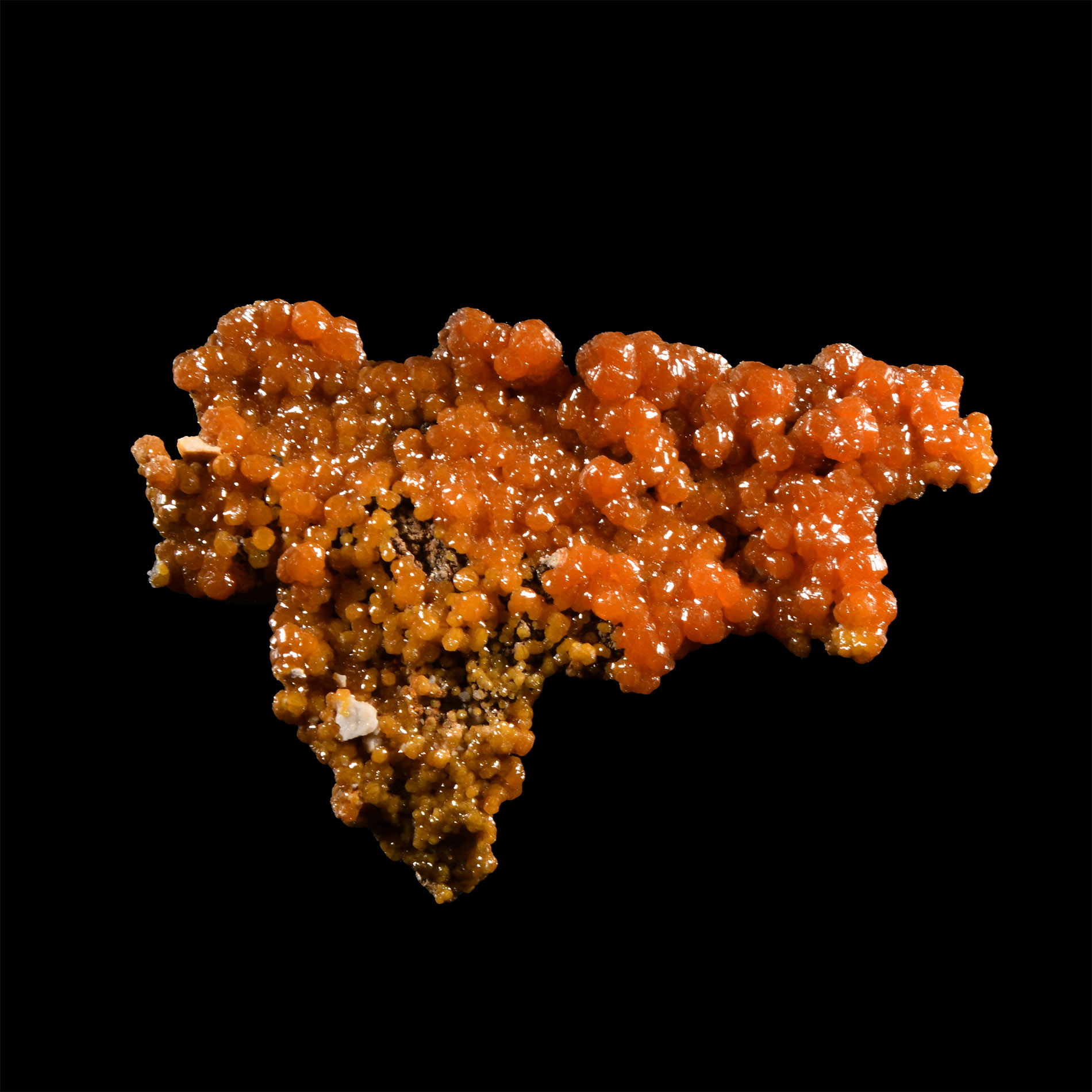
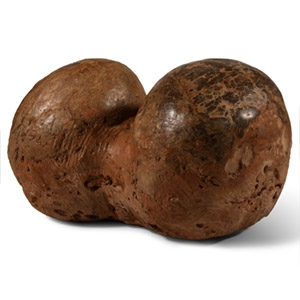
Natural History - Historic 'Bunker Hill Mine, Idaho' Pyromorphite Mineral Specimen
3 1/4 in. (100 grams, 84 mm).
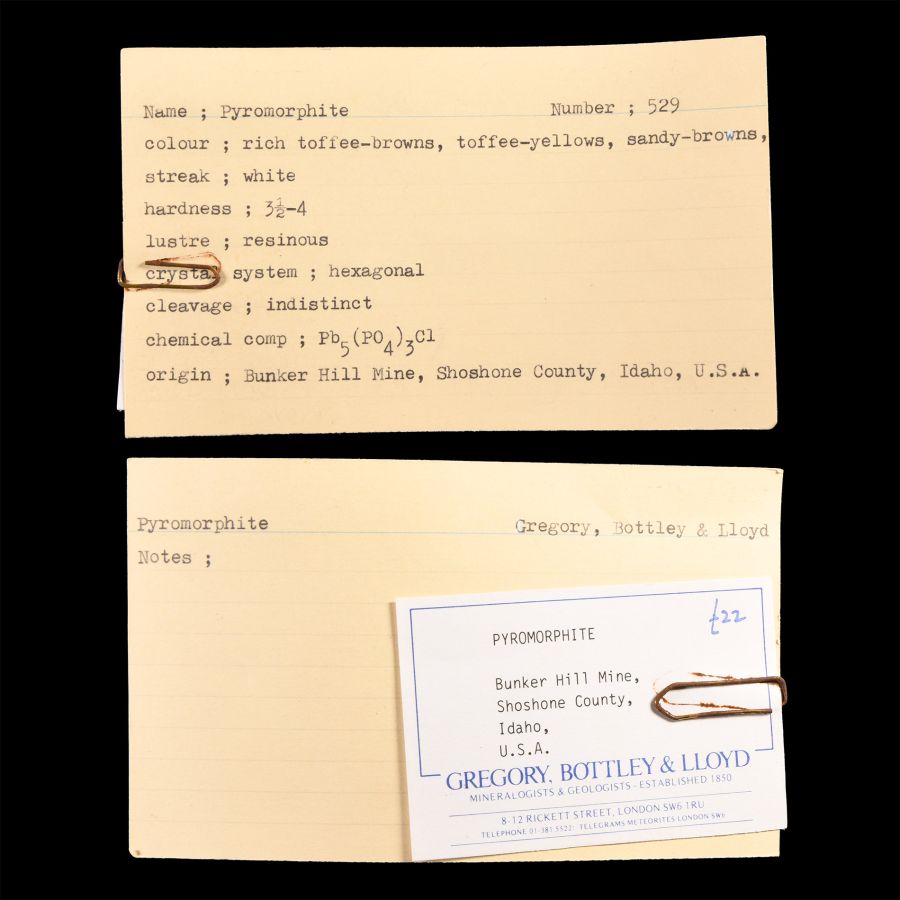
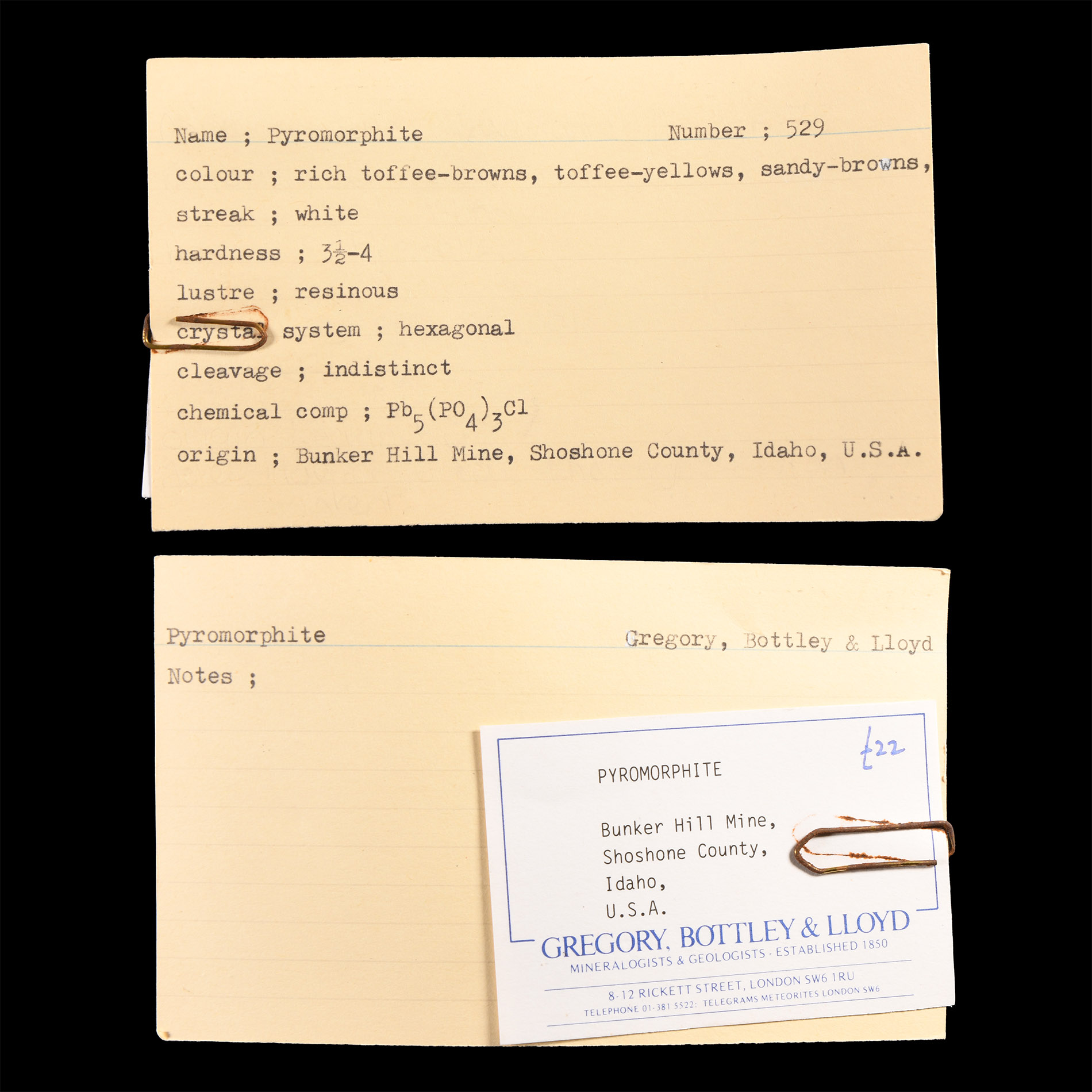
Displaying rich toffee-brown and yellow colours, collection number 529, with an old Gregory, Bottley & Lloyd label. [No Reserve]
ProvenanceAcquired on the UK mineral and fossil market, since 1970.
From the historic mineral collection of Richard Valentine Cain, London, UK, thence by descent.
Accompanied by an original historic index file card.
TimeLine Auctions follows a vetting process to ensure the authenticity and legality of all items, reinforcing our commitment to integrity and responsible trading. Each antiquity, antique, and coin lot undergoes thorough examination by a vetting committee of at least ten external specialists, professional trade association members, scientists, and archaeologists: Our Vetting Process
AUCTIONS:
TimeLine is a leading auction house specialising in antiquities, ancient art, collectables, natural history, coins, medals, and books. Our auctions offer museums, collectors, historians, and enthusiasts the opportunity to acquire unique and historically significant pieces.
LOT 2819
Natural History - Historic 'Bunker Hill Mine, Idaho' Pyromorphite Mineral Specimen
Sold for (Inc. bp): £234
-
Natural History - Historic Mineral Specimen Collection
Sold for (Inc. bp): £33
Comprising: a cut and polished agate slice from Brazil, collection number 35; brown calcite from Brazil, collection number 109; septarian nodule section from Horsenden Hill, Ealing, Middlesex, England, collection number 216; aurichalcite, collection number 365; lepidolite, collection number 544; phantom calcite from Mexico, collection number 209; calcite from Riesengebirge, collection number 481; rutilated quartz from South Africa, collection number 291; baryte from Winster, Derbyshire, England, collection number 174. 989 grams total, 56-78 mm
Acquired on the UK mineral and fossil market, since 1970. From the historic mineral collection of Richard Valentine Cain, London, UK, thence by descent. Seven specimens accompanied by an original historic index file card. -
Natural History - Historic 'Chokotka Peninsula, U.S.S.R.' Demantoid Mineral Specimen
Sold for (Inc. bp): £52
With apple-green and greenish white crystals, the calcium has been replaced by traces of chromic acid, collection number 461. 75 grams, 87 mm
Acquired on the UK mineral and fossil market, since 1970. From the historic mineral collection of Richard Valentine Cain, London, UK, thence by descent. Accompanied by an original historic index file card and an old Gregory, Bottley & Lloyd label. -
Natural History - Hadrosaur Dinosaur Egg Pair
Cretaceous Period, 100 million years B.P.Sold for (Inc. bp): £780
A pair of Charonosaurus sp. hadrosaur eggs on a matrix retaining evidence of the original leathery surface. 8.85 kg, 27.5 cm
Acquired 1983-1990. Private collection, Hove, UK.
Hadrosaurs were large dinosaurs, growing up to 10 metres in length, belonging to the ‘Duck-Billed’ group of dinosaurs. They are considered the ‘herd animal’ of the Cretaceous, having been found buried together in their thousands. Dinosaur egg fossils are known from approximately two-hundred sites around the word, particularly in Asia. This nest comes from the Xixia Formation, Henan region of China, which produces some of the best preserved eggs in the world. These eggs can yield entire embryos within them, making them an essential tool for understanding the biology of these creatures.
