
Loading, please wait...
LOT 2849
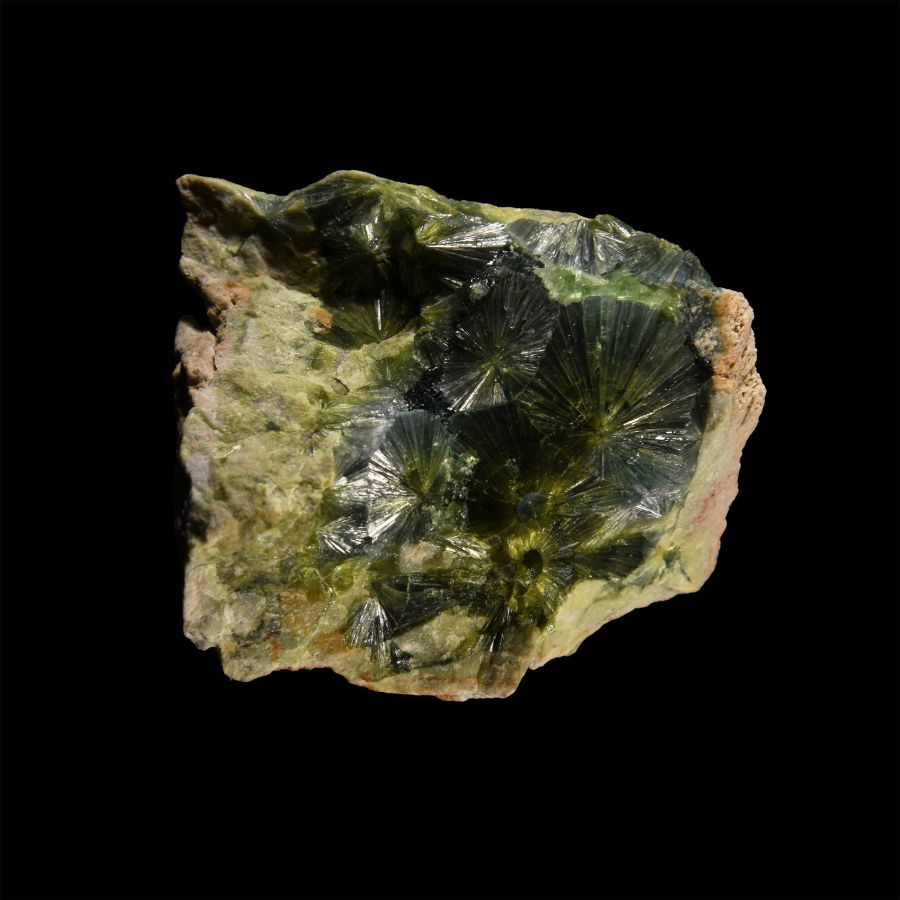
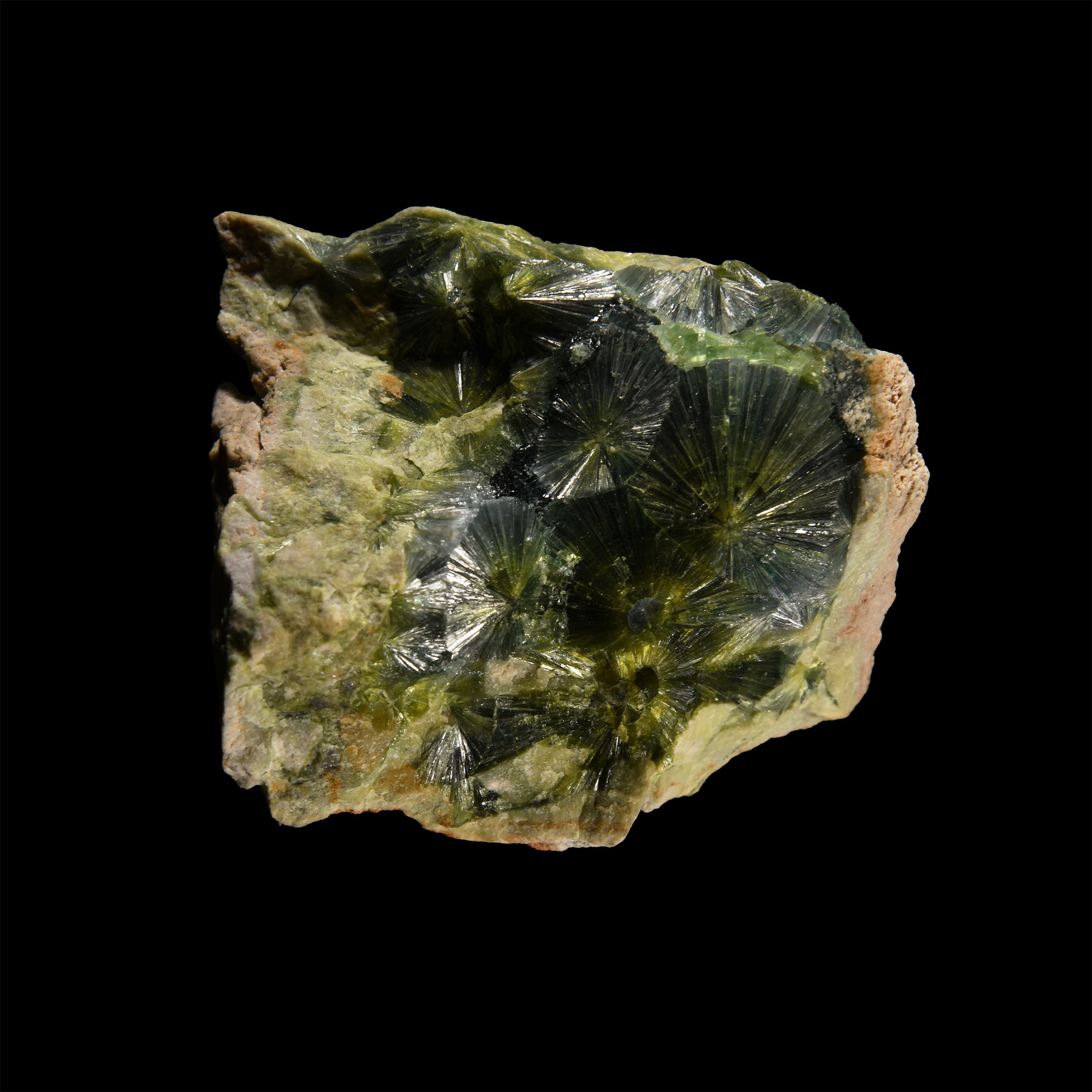
Natural History - Historic 'Arkansas, USA' Wavellite Mineral Specimen
2 in. (71 grams, 51 mm).
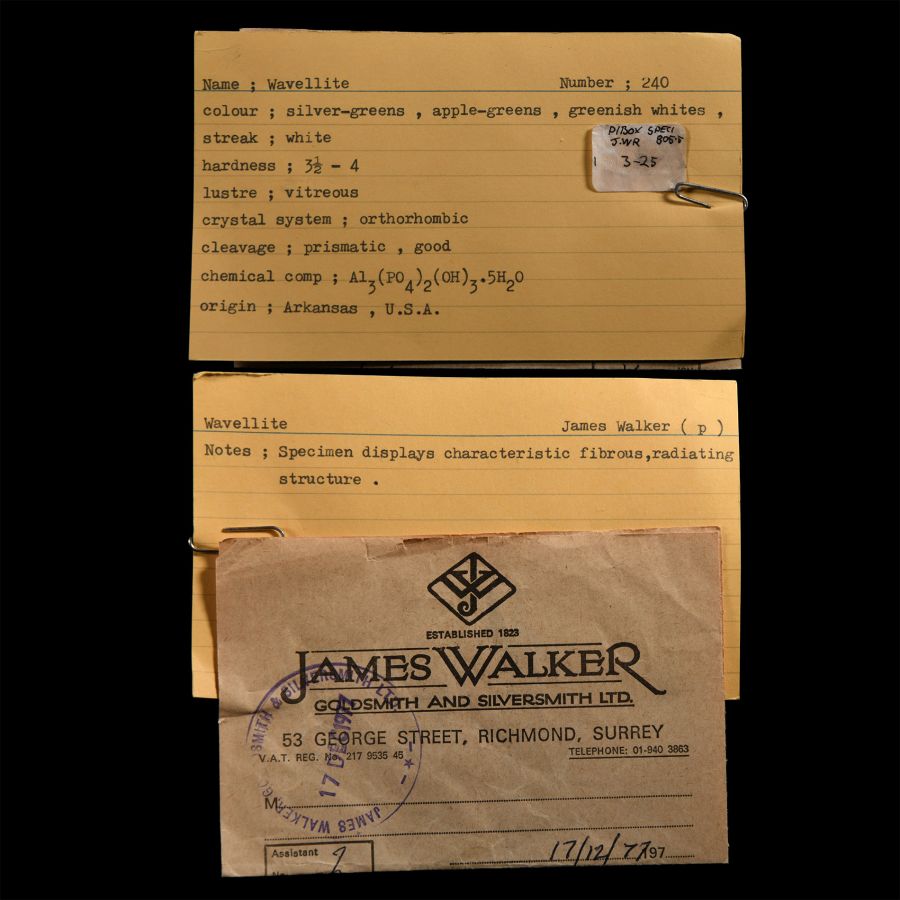
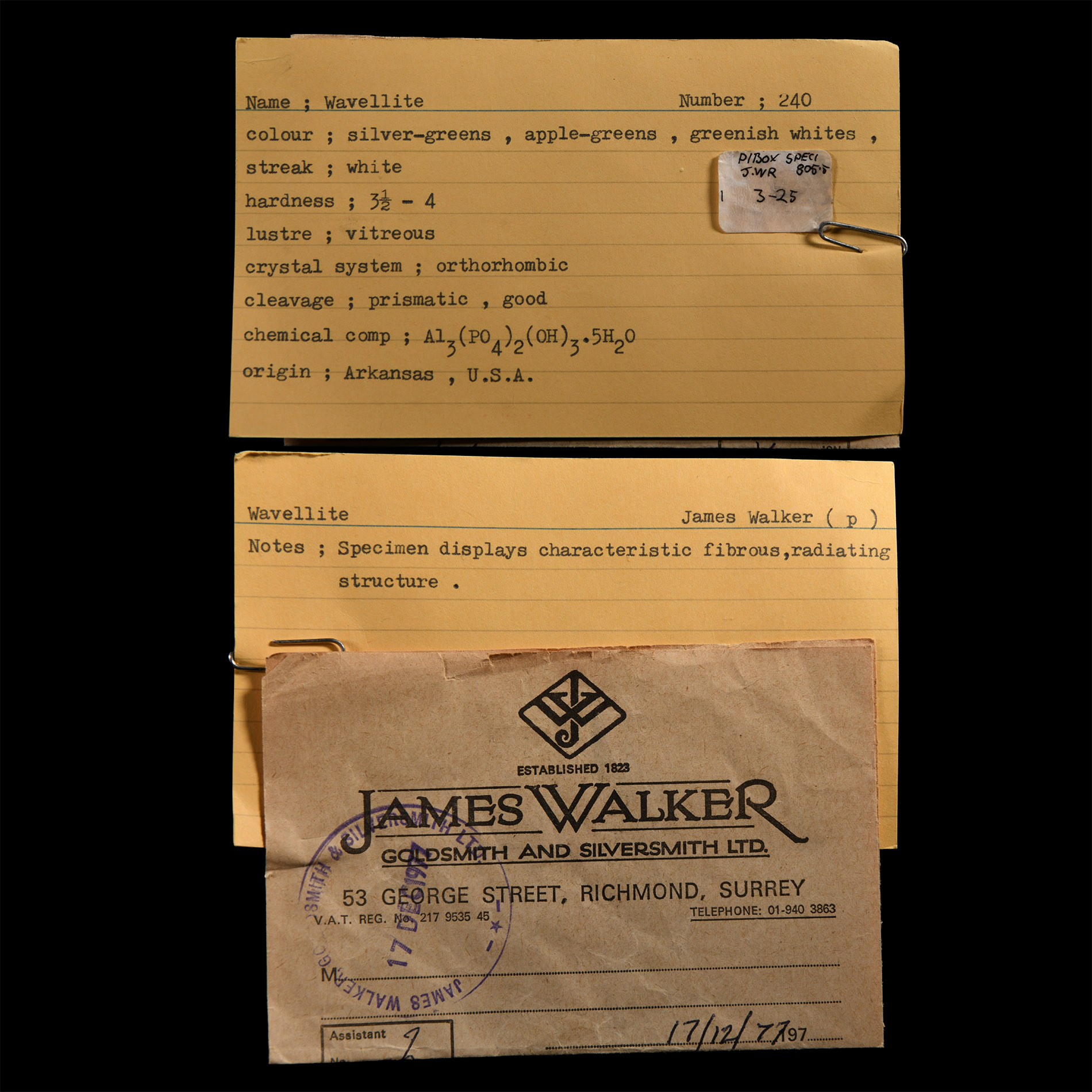
Displaying apple-green and silver-green colours and characteristic fibrous, radiating structure, collection number 240, with an old James Walker invoice dated 1977. [No Reserve]
ProvenanceAcquired on the UK mineral and fossil market, since 1970.
From the historic mineral collection of Richard Valentine Cain, London, UK, thence by descent.
Accompanied by an original historic index file card.
TimeLine Auctions follows a vetting process to ensure the authenticity and legality of all items, reinforcing our commitment to integrity and responsible trading. Each antiquity, antique, and coin lot undergoes thorough examination by a vetting committee of at least ten external specialists, professional trade association members, scientists, and archaeologists: Our Vetting Process
AUCTIONS:
TimeLine is a leading auction house specialising in antiquities, ancient art, collectables, natural history, coins, medals, and books. Our auctions offer museums, collectors, historians, and enthusiasts the opportunity to acquire unique and historically significant pieces.
LOT 2849
Natural History - Historic 'Arkansas, USA' Wavellite Mineral Specimen
Sold for (Inc. bp): £65
-
Natural History - Historic 'Manciano, Tuscany' Stibnite Mineral Specimen
Sold for (Inc. bp): £46
Displaying a spray of well-formed acicular crystals on a light grey matrix, the stilbite crystals with bluish iridescence, collection number 598; bought from Gregory, Bottley & Lloyd for £48.00 in the 1980s, with an old label. 481 grams, 12.5 cm
Acquired on the UK mineral and fossil market, since 1970. From the historic mineral collection of Richard Valentine Cain, London, UK, thence by descent. Accompanied by an original historic index file card. -
![Natural History - Aquamarine Topaz Pebble Group [50]](https://timelineauctions.com/upload/images/items/small/207988-s(1).jpg)
Natural History - Aquamarine Topaz Pebble Group [50]
Sold for (Inc. bp): £13
Comprising natural unpolished pebbles. 575 grams total, 16-43 mm
Ex Mineral Imports, London, UK. Gregory, Bottley & Lloyd (Gregory's). -
.jpg)
Natural History - Boxed Historic Quartz Crystal 'Flower' Specimen
Sold for (Inc. bp): £33
With white to grey crystals arranged in a flower-like formation. 195 grams, 82 mm
Ex Gregory, Bottley & Lloyd (Gregory's).
