
Loading, please wait...
LOT 2434
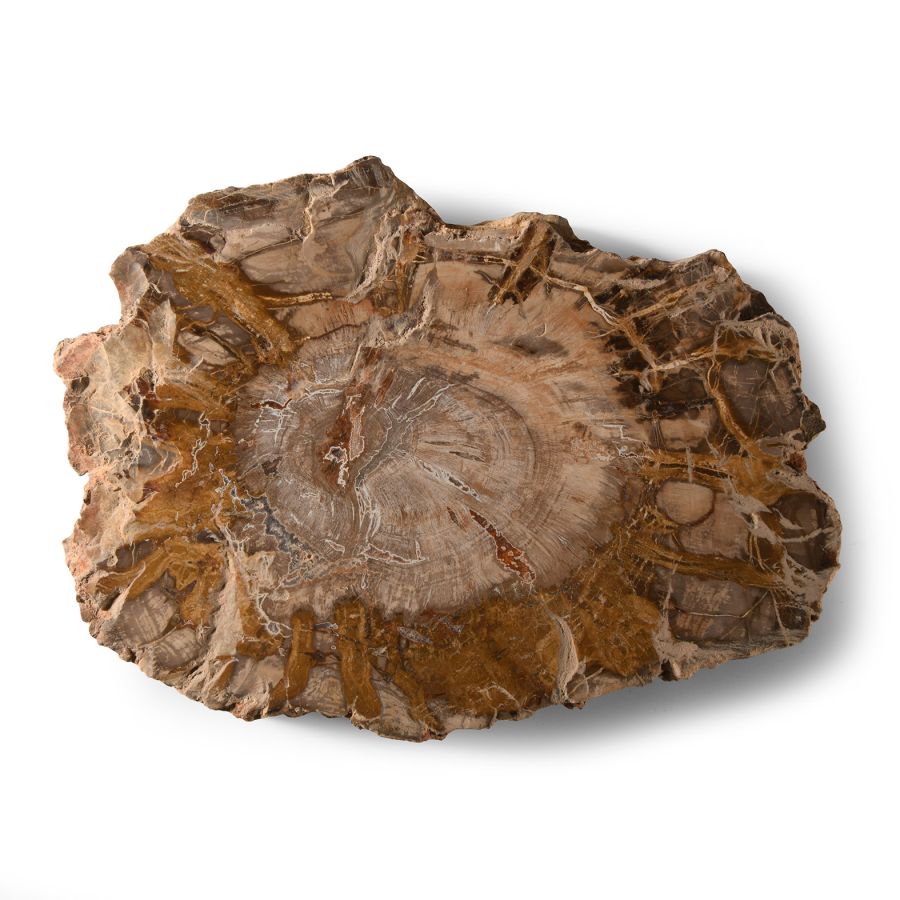
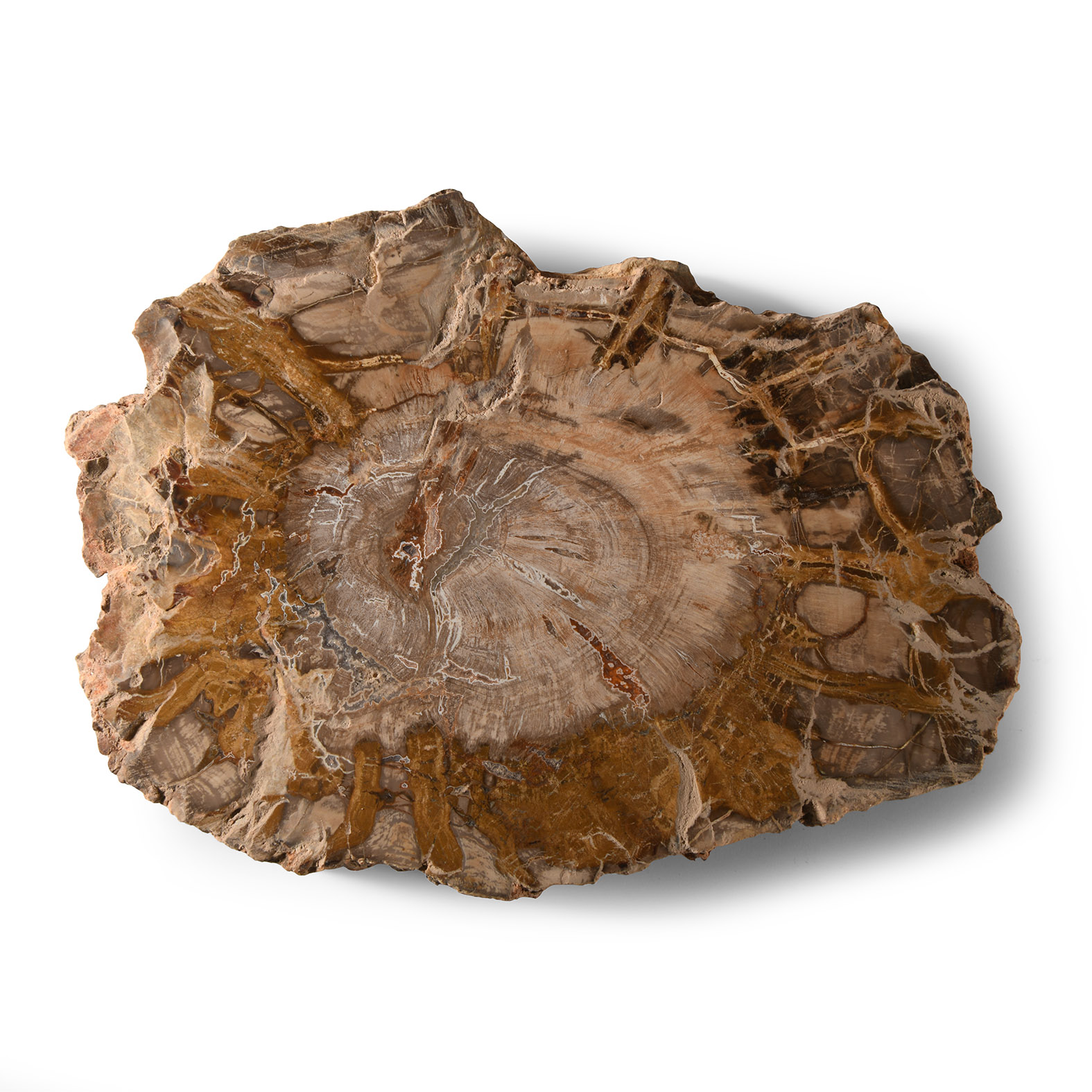
Natural History - Fossilised Wood Section
TRIASSIC PERIOD, CIRCA 250-200 MILLION YEARS B.P.
6 3/4 in. (735 grams, 17 cm).
A section of fossilised wood with a polished face. [No Reserve]
ProvenanceFrom Madagascar.
Acquired 1950s-1960s.
From an old Bristol, UK, palaeontological collection.
TimeLine Auctions follows a vetting process to ensure the authenticity and legality of all items, reinforcing our commitment to integrity and responsible trading. Each antiquity, antique, and coin lot undergoes thorough examination by a vetting committee of at least ten external specialists, professional trade association members, scientists, and archaeologists: Our Vetting Process
AUCTIONS:
TimeLine is a leading auction house specialising in antiquities, ancient art, collectables, natural history, coins, medals, and books. Our auctions offer museums, collectors, historians, and enthusiasts the opportunity to acquire unique and historically significant pieces.
-

Natural History - Juvenile Megalodon Giant Shark Fossil Tooth Group
Pliocene Period, 5.2-2.5 million years B.P.Sold for (Inc. bp): £59
Three Carcharocles megalodon teeth displaying some good polished enamel; supplied in a display frame. 41 grams total, 18-24 mm
Ex J. Shaul collection, UK.
Carcharodon megalodon is regarded as one of the largest and most powerful marine predators in vertebrate history and likely had a profound impact on structuring of the marine communities. Fossil remains indicate that this giant shark reached a length of more than 16 metres (52 ft) and also affirm that it had a cosmopolitan distribution. Scientists suggest that in life it looked like a stockier version of the great white shark, Carcharodon carcharias. -

Natural History - Fossil Shrimp Group
Cretaceous Period, circa 145-65 million years B.P.Sold for (Inc. bp): £13
A pair of Carpopenaeus sp. shrimps, each in a matrix. 233 grams total, 70-86 mm
From Lebanon. Ex Lincolnshire, UK, collection. -
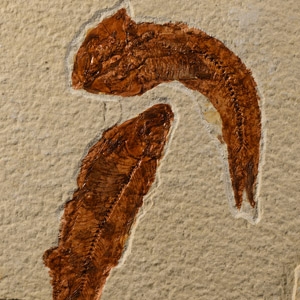
Natural History - Knightia Fossil Fish
Eocene Period, circa 58 million years B.P.Sold for (Inc. bp): £33
Two negative impressions of Knightia alta specimens on a rectangular matrix. 312 grams, 13 cm
From Wyoming (Green River Formation), USA. Acquired during 1980s. From the Pradi Collection, Boston, USA.
In southwest Wyoming (and parts of Colorado and Utah) in the Green River Formation are found some of the world's most outstanding specimens of fossil fish. The Green River system was composed of three lakes: Lake Ulinta, Lake Gosiute and Fossil Lake. These Eocene lakes lay in a series of intermountain basins formed by geological events that uplifted the Rocky Mountains during the early Tertiary time. The climate was much different from the desert-like climate of this area today. Both the fauna (crocodiles, alligators, boa constrictors and some subtropical fish families) and the flora (such as large palm trees) indicate a climate much like that found along the Gulf Coast today. Large amounts of ash found in the sediments indicate that volcanoes were particularly active at this time.
