
Loading, please wait...
LOT 2404
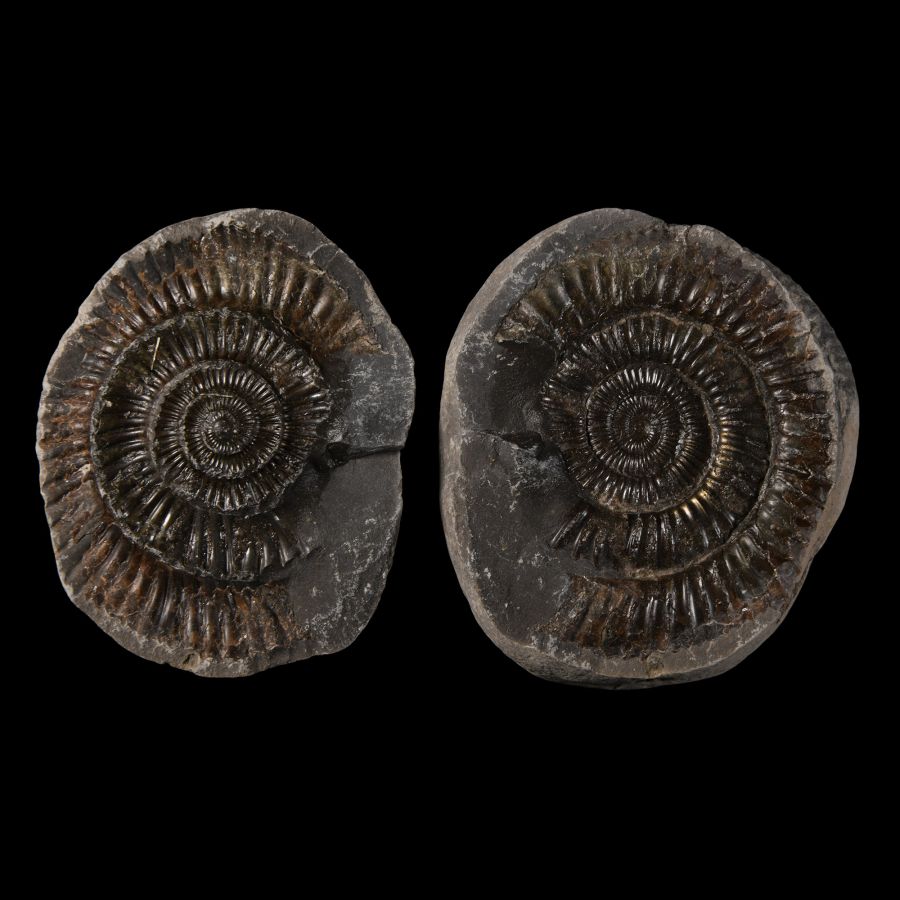
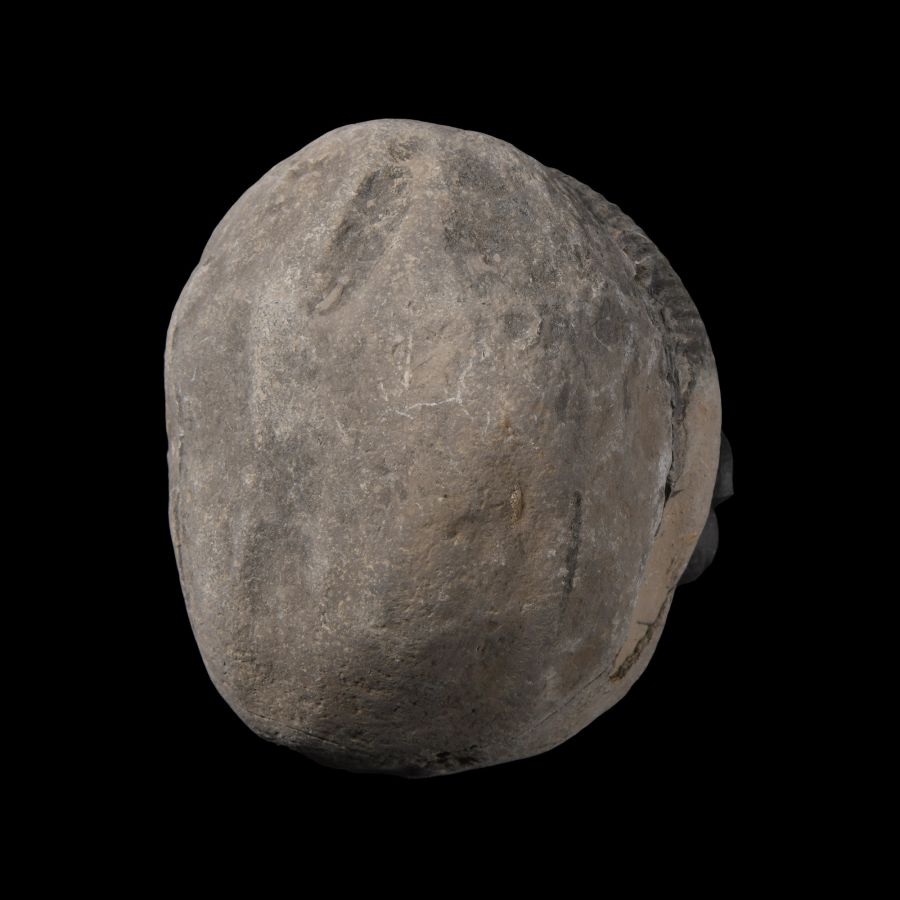
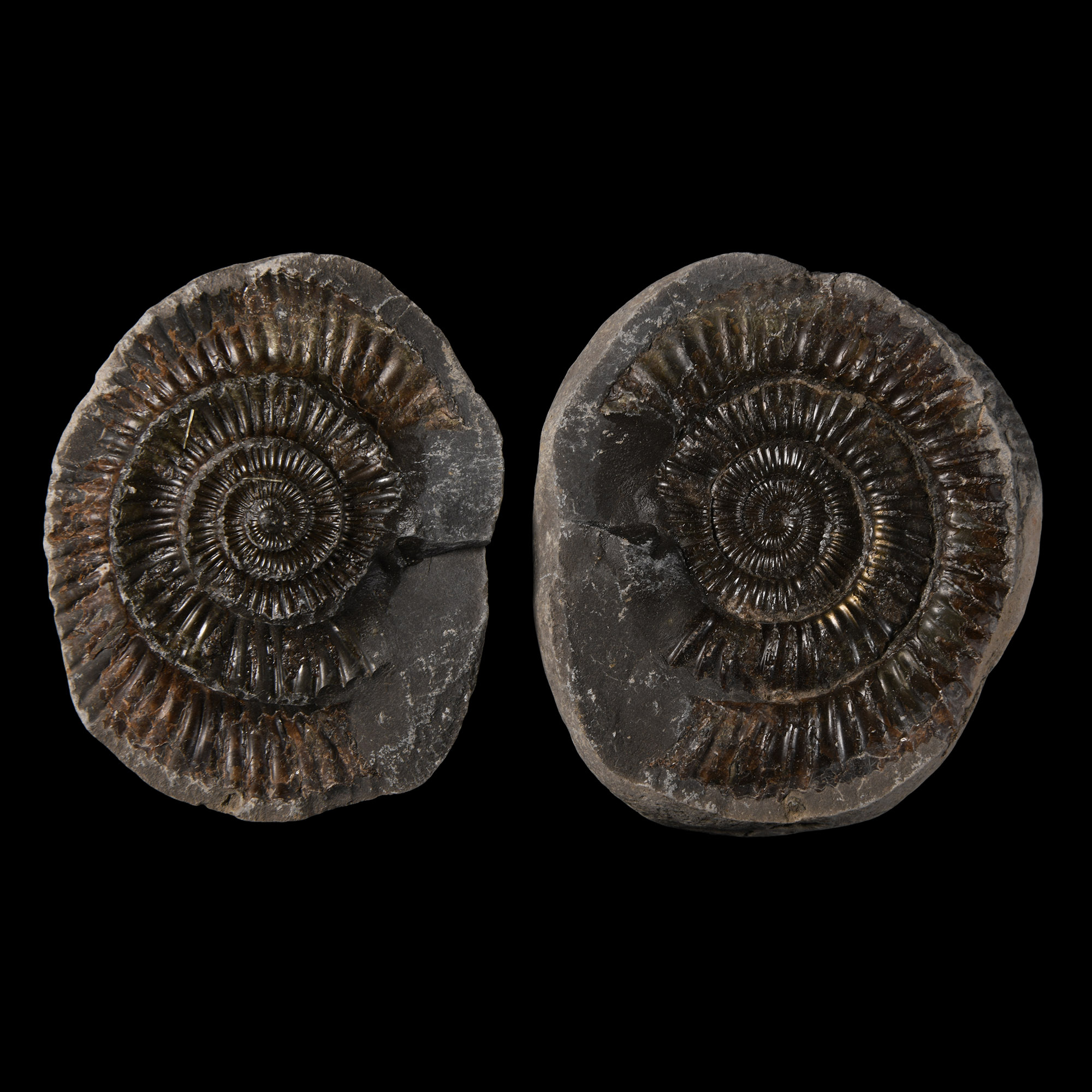
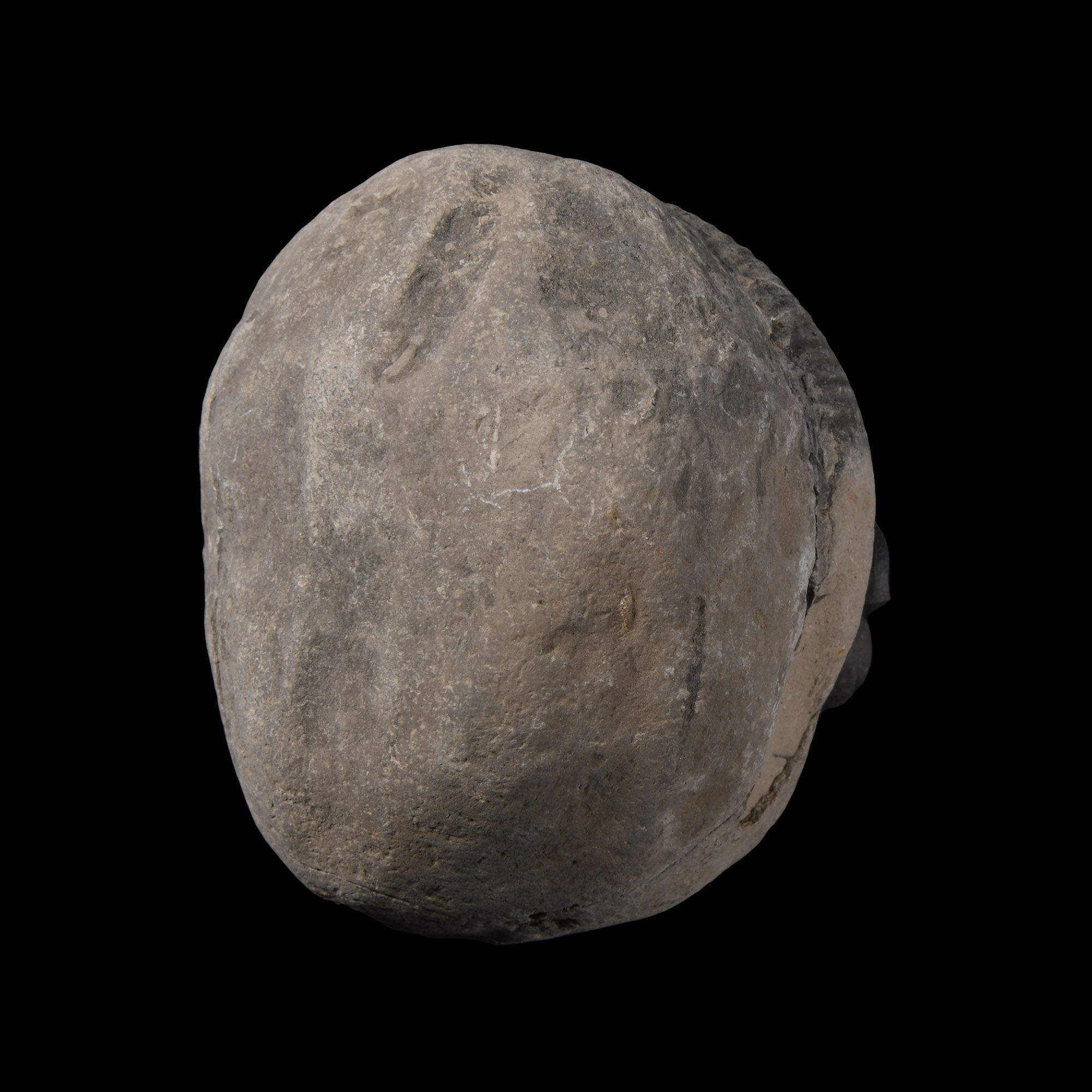
Natural History - Fossil 'Whitby Dac' Ammonite Nodule
JURASSIC PERIOD, CIRCA 180 MILLION YEARS B.P.
2 7/8 in. (309 grams, 73 mm).
Comprising the complete nodule with positive and negative Dactylioceras commune fossil. [No Reserve]
ProvenanceFrom a Lincolnshire, UK, collection.
CONDITIONTimeLine Auctions follows a vetting process to ensure the authenticity and legality of all items, reinforcing our commitment to integrity and responsible trading. Each antiquity, antique, and coin lot undergoes thorough examination by a vetting committee of at least ten external specialists, professional trade association members, scientists, and archaeologists: Our Vetting Process
AUCTIONS:
TimeLine is a leading auction house specialising in antiquities, ancient art, collectables, natural history, coins, medals, and books. Our auctions offer museums, collectors, historians, and enthusiasts the opportunity to acquire unique and historically significant pieces.
-
Natural History - Fossil Phacops Trilobite
Devonian Period, circa 380 million years B.P.Sold for (Inc. bp): £39
With surface texture to the head and spine; on a limestone matrix. 164 grams, 75 mm
From Hamar L'Aghdad, Djebel Issoumour area, Anti-Atlas Mountains, Morocco. From a Cambridgeshire, UK, collection. -
Natural History - Fossil Dragon Fly Larvae
Miocene Period, circa 16 million years B.P.Sold for (Inc. bp): £26
Comprising four well defined specimens of Libellula doris on an irregular matrix; accompanied by a glazed display case with an information card. 240 grams total, 16 x 13.5 cm including case
From a Gloucestershire, UK, collection. -
.jpg)
Natural History - Woolly Mammoth Bone Bead Necklace String
Devensian Period, 110,000-12,000 years B.P.Sold for (Inc. bp): £72
Restrung using polished Mammuthus primigenius bone beads. 94 grams, 68 cm long
Ex private collection of a Shropshire, UK, gentleman, 1990s.
