
Loading, please wait...
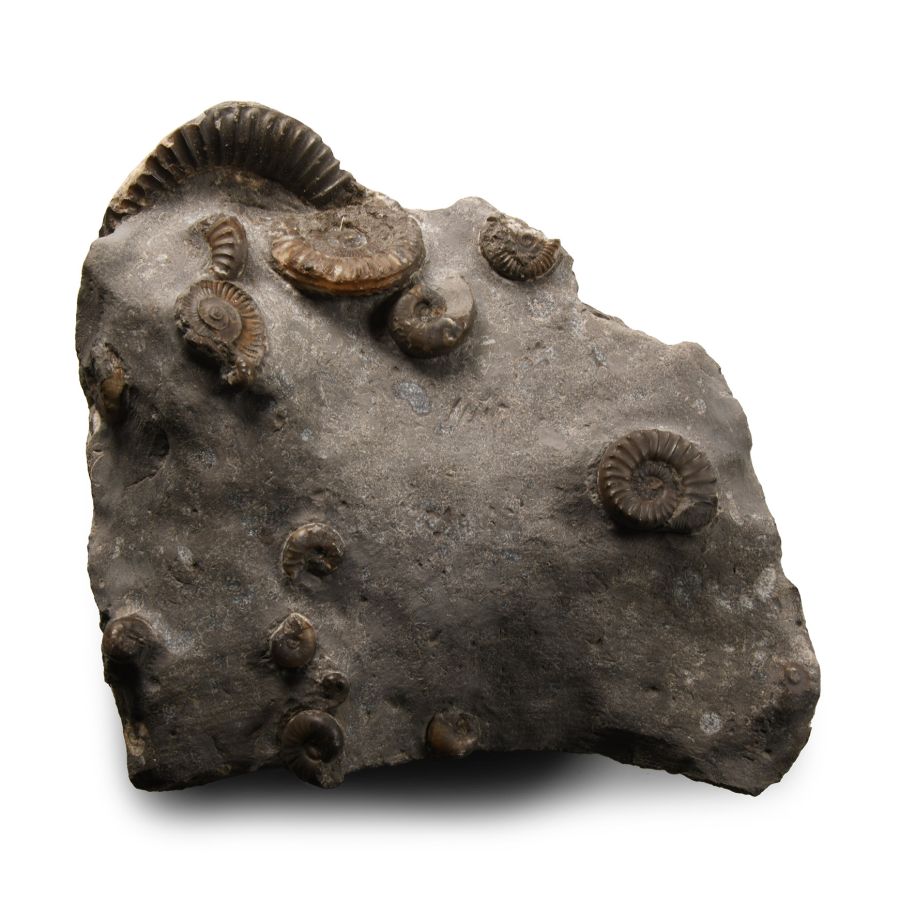
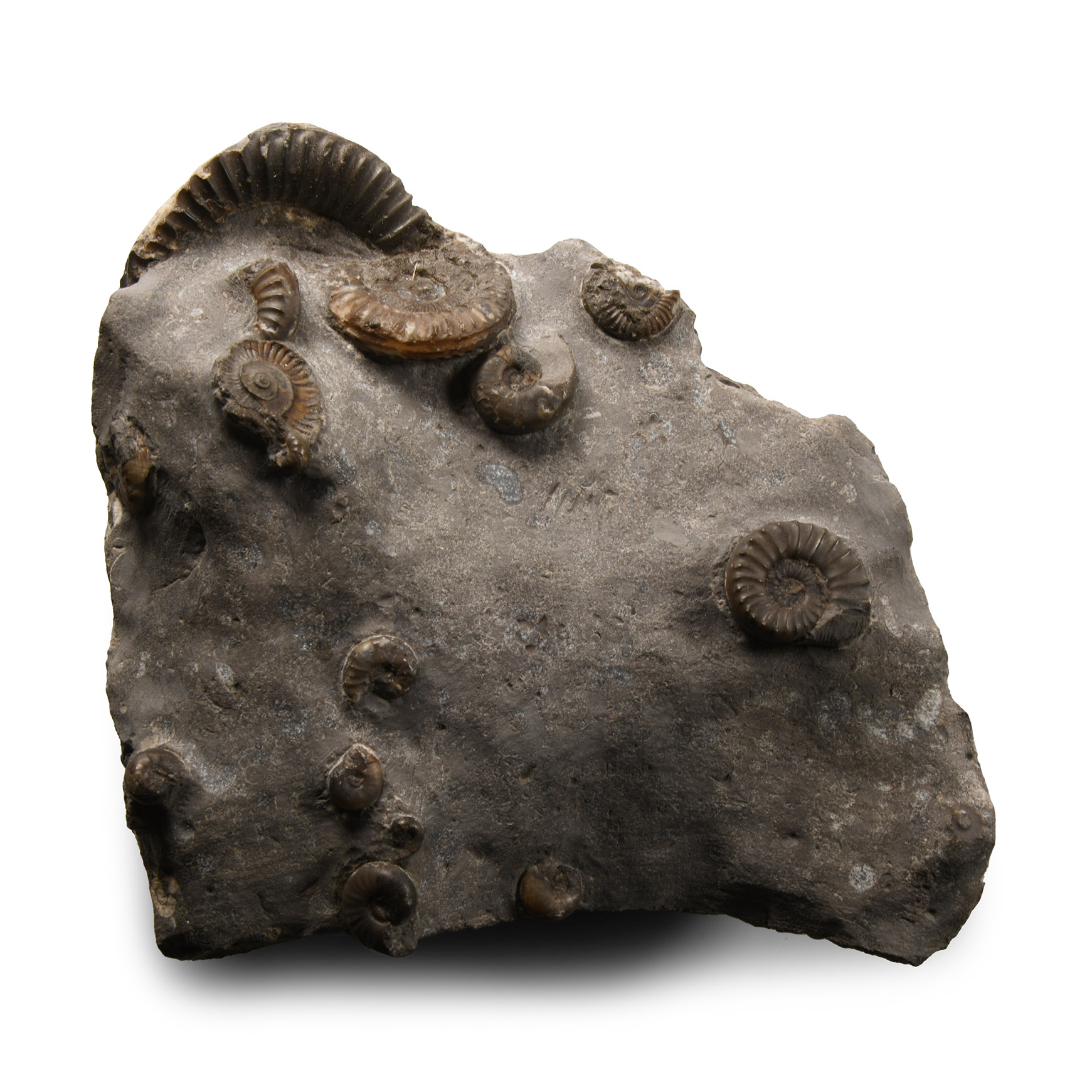
LOT 2366
Natural History - Fossil Whitby Dac Ammonite Cluster
LOWER JURASSIC PERIOD, TOARCIAN STAGE, CIRCA 180 MILLION YEARS B.P.
6 5/8 in. (1.11 kg, 16.8 cm).
Comprising variously sized Dactylioceras sp. specimens. [No Reserve]
ProvenanceFrom a Lincolnshire, UK, collection.
Property of a Cambridgeshire, UK, gentleman.
TimeLine Auctions follows a vetting process to ensure the authenticity and legality of all items, reinforcing our commitment to integrity and responsible trading. Each antiquity, antique, and coin lot undergoes thorough examination by a vetting committee of at least ten external specialists, professional trade association members, scientists, and archaeologists: Our Vetting Process
AUCTIONS:
TimeLine is a leading auction house specialising in antiquities, ancient art, collectables, natural history, coins, medals, and books. Our auctions offer museums, collectors, historians, and enthusiasts the opportunity to acquire unique and historically significant pieces.
-
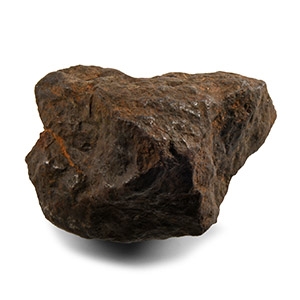
Natural History - Asiatic Chondrite Meteorite
Sold for (Inc. bp): £65
An irregular meteorite of the chondrite type, not modified by melting. 83 grams, 49 mm
Found East Asia. From the personal collection of a West London, UK, gentleman. -
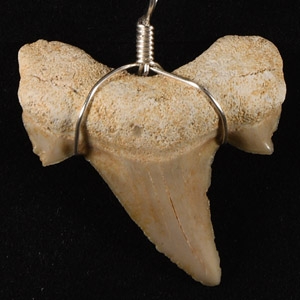
Natural History - Fossil Otodus Shark Tooth Necklace
Eocene Period, circa 56-33 million years B.P.Sold for (Inc. bp): £7
Comprising an Otodus obliquus tooth made into a pendant and suspended from a cord necklace; supplied in a gift box. 27 grams total, tooth: 29 mm wide
From a Cambridgeshire, UK, collection. Property of a Cambridgeshire, UK, gentleman. -
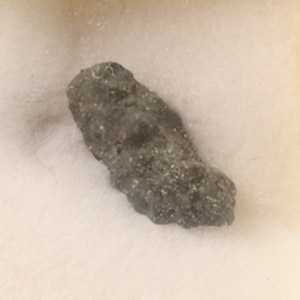
Natural History - Allende CV3 Carbonaceous Chondrite Meteorite
Found circa 2010 A.D.Sold for (Inc. bp): £20
In cuboid capsule, with signed descriptor card attached. 0.22 grams, 10 mm
Found in Mexico while filming an episode of the TV series Meterorite Men. Acquired from Steve Arnold, co-star of 'Meteorite Men'. Ian Wilkinson collection, Nottinghamshire, UK. Accompanied by a authenticity card signed by Steve Arnold.
