
Loading, please wait...
LOT 2211
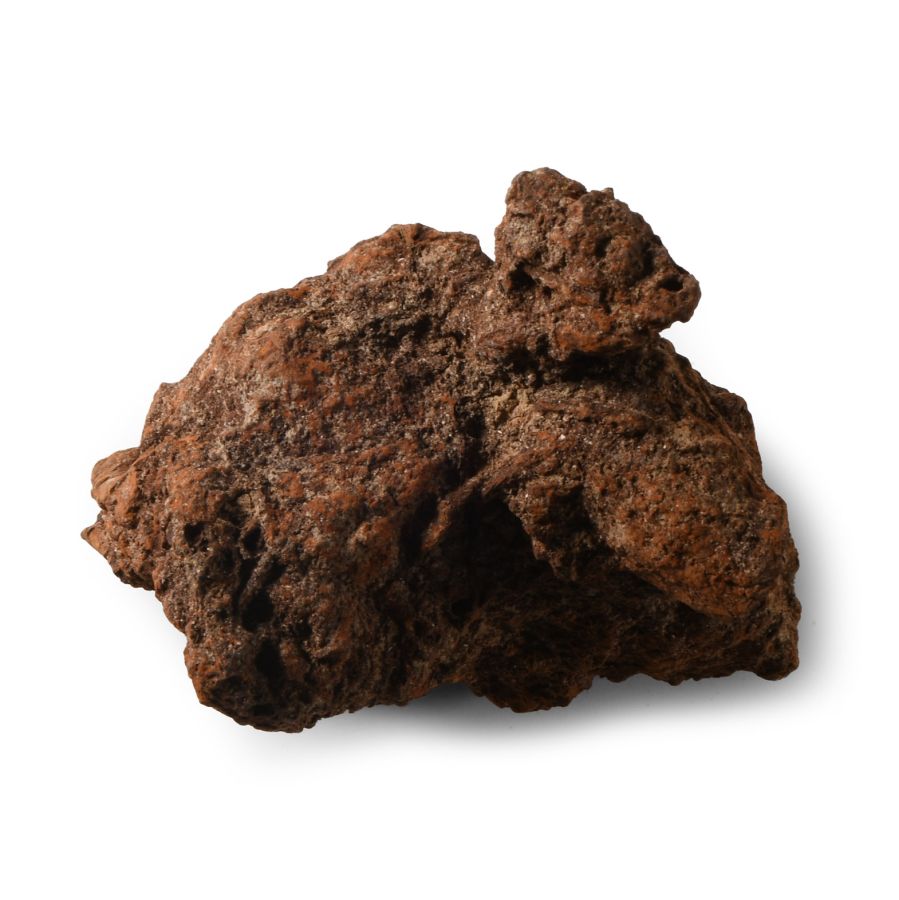
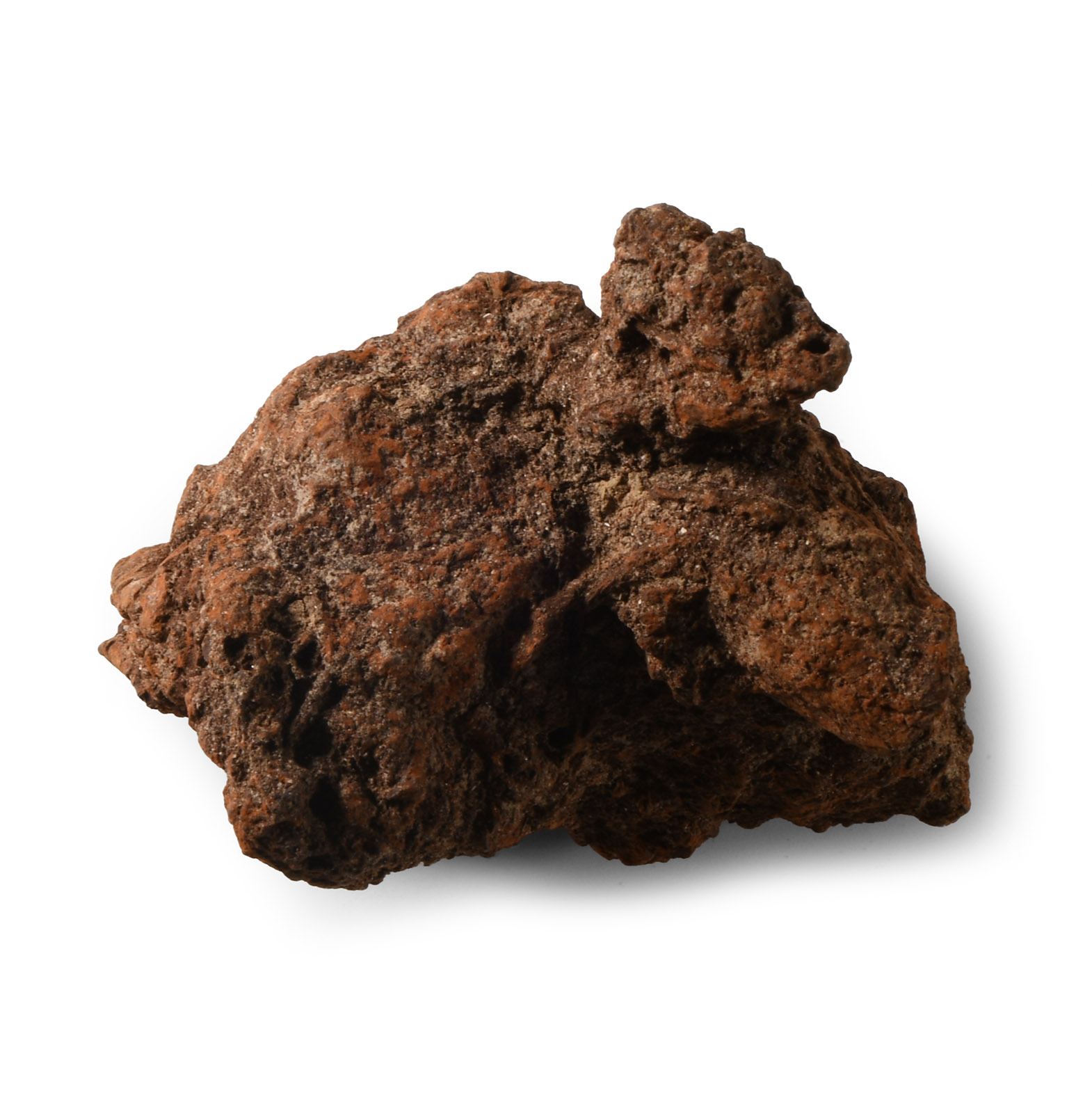
Natural History - Fossil Turtle Coprolite
EOCENE PERIOD, CIRCA 50 MILLION YEARS B.P.
2 5/8 in. (174 grams, 66 mm).
Comprising a turtle coprolite (fossilised turtle excrement). [No Reserve]
ProvenanceFrom the Wilkes Formation, Salmon Creek, Lewis County, Washington, USA.
Acquired during the 1980s.
From an old Lincolnshire, UK, collection.
TimeLine Auctions follows a vetting process to ensure the authenticity and legality of all items, reinforcing our commitment to integrity and responsible trading. Each antiquity, antique, and coin lot undergoes thorough examination by a vetting committee of at least ten external specialists, professional trade association members, scientists, and archaeologists: Our Vetting Process
AUCTIONS:
TimeLine is a leading auction house specialising in antiquities, ancient art, collectables, natural history, coins, medals, and books. Our auctions offer museums, collectors, historians, and enthusiasts the opportunity to acquire unique and historically significant pieces.
-
Natural History - Woolly Mammoth Bone Bead Necklace String
Devensian Period, 110,000-12,000 years B.P.Sold for (Inc. bp): £143
Restrung using recently polished Mammuthus primigenius bone beads. 163 grams, 60 cm long
From a late Japanese specialist collector, 1970-2000s. -
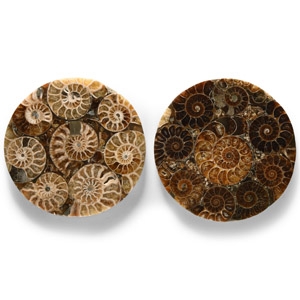
Natural History - Polished Fossil Ammonite Plate Pair
Jurassic Period, circa 199-145 million years B.P.Sold for (Inc. bp): £91
A pair of composite coasters containing a large number of variously sized fossil ammonites, polished upper face. 147 grams total, 86 mm
From Madagascar. From a Lincolnshire, UK, collection. -
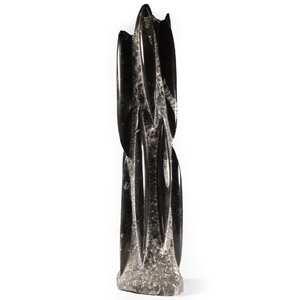
Natural History - Polished Fossil Orthoceras Column
Devonian Period, circa 417-354 million years B.P.Sold for (Inc. bp): £59
Comprising polished Orthoceras sp. specimens on a textured freestanding matrix. 5.3 kg, 47 cm
From the Atlas Mountains of Morocco, North Africa. From a Lincolnshire, UK, collection.
