
Loading, please wait...
_900x900.jpg "Natural History - Fossil Trilobite Group")
_200x200.jpg "Natural History - Fossil Trilobite Group")
.jpg "Natural History - Fossil Trilobite Group")
LOT 2484
Natural History - Fossil Trilobite Group
DEVONIAN PERIOD, CIRCA 417-354 MILLION YEARS B.P.
1 3/4 - 2 7/8 in. (279 grams total, 45-73 mm).
Comprising three trilobites, two Morocops (Barrandeops) sp. trilobites and one Hollardops mesacristata on a matrix. [3, No Reserve]
ProvenanceFrom the Atlas Mountains, Hamar Laghdad Formation, Pragian, (Alnif), Morocco.
From an old Oxford, UK, paleontological collection.
TimeLine Auctions follows a vetting process to ensure the authenticity and legality of all items, reinforcing our commitment to integrity and responsible trading. Each antiquity, antique, and coin lot undergoes thorough examination by a vetting committee of at least ten external specialists, professional trade association members, scientists, and archaeologists: Our Vetting Process
AUCTIONS:
TimeLine is a leading auction house specialising in antiquities, ancient art, collectables, natural history, coins, medals, and books. Our auctions offer museums, collectors, historians, and enthusiasts the opportunity to acquire unique and historically significant pieces.
-
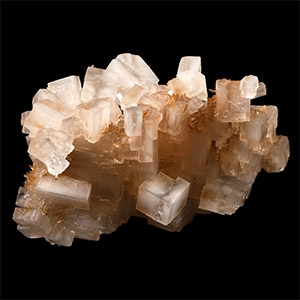
Natural History - Historic 'Poland' Halite Mineral Specimen
Sold for (Inc. bp): £52
Consisting of a cluster of cubic and prismatic rectangular crystals, collection number 578, with an old Geologisch Centrum label. 174 grams, 11 cm
Acquired on the UK mineral and fossil market, since 1970. From the historic mineral collection of Richard Valentine Cain, London, UK, thence by descent. Accompanied by an original historic index file card. -
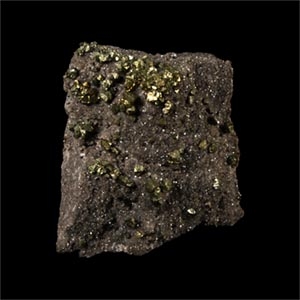
Natural History - Historic 'Brazil' Marcasite Mineral Specimen
Sold for (Inc. bp): £33
Displaying metallic green and grey colours, collection number 71. 499 grams, 82 mm
Acquired on the UK mineral and fossil market, since 1970. From the historic mineral collection of Richard Valentine Cain, London, UK, thence by descent. Accompanied by an original historic index file card. -
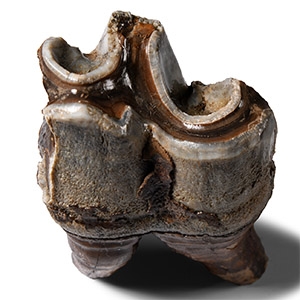
Natural History - Woolly Rhinoceros Lower Back Tooth
Ice Age, 50,000-20,000 years B.P.Sold for (Inc. bp): £39
With substantial roots. 140 grams, 81 mm
From Yakutsk, Permafrost Region, Siberia. Acquired from an old Dutch collection. From the private collection of an East Anglian, UK, collector.
