
Loading, please wait...
LOT 2411
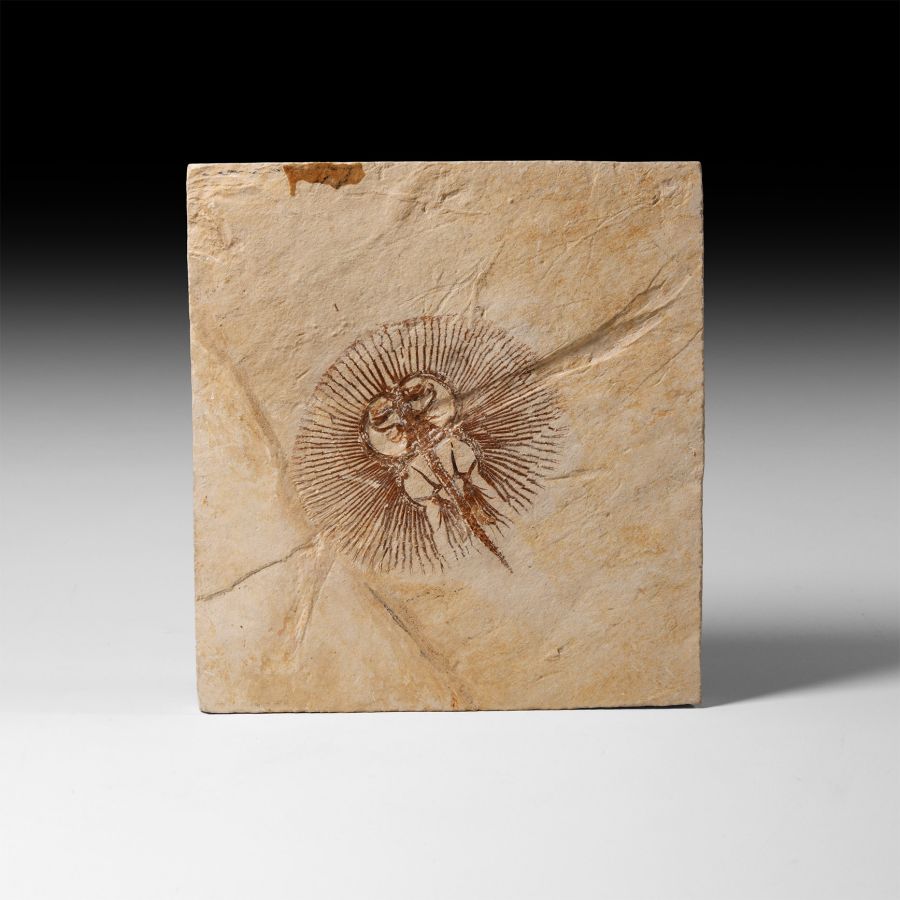
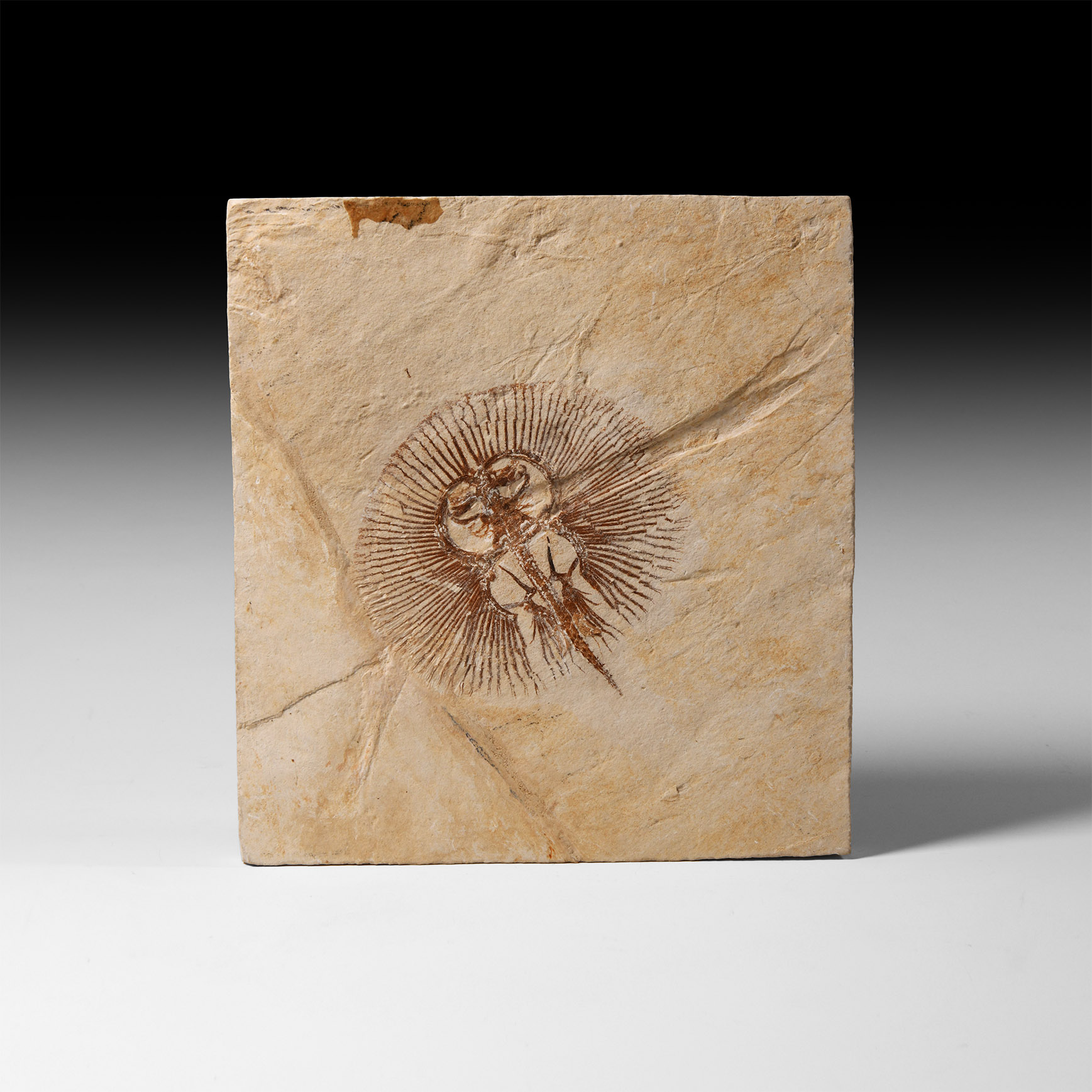
Natural History - Fossil Stingray in Matrix
CRETACEOUS PERIOD, 145-65 MILLION YEARS B.P.
6 7/8 in. (1.2 kg, 17.5 cm).
The sedimentary matrix displaying a superb fossil Cyclobatis major stingray specimen.
ProvenanceFrom Lebanon.
From a Cambridgeshire, UK, collection.
The Cyclobatis stingray, or 'sun fish' is so called due to the radial arrangement of its pectoral fins.
CONDITIONTimeLine Auctions follows a vetting process to ensure the authenticity and legality of all items, reinforcing our commitment to integrity and responsible trading. Each antiquity, antique, and coin lot undergoes thorough examination by a vetting committee of at least ten external specialists, professional trade association members, scientists, and archaeologists: Our Vetting Process
AUCTIONS:
TimeLine is a leading auction house specialising in antiquities, ancient art, collectables, natural history, coins, medals, and books. Our auctions offer museums, collectors, historians, and enthusiasts the opportunity to acquire unique and historically significant pieces.
LOT 2411
Natural History - Fossil Stingray in Matrix
Estimate £700 - 900€810 - 1,040 (for guidance only)$950 - 1,220 (for guidance only)
-
.jpg)
Natural History - Woolly Mammoth Bone Bead Necklace
Devensian Period, 110,000-12,000 years B.P.Sold for (Inc. bp): £91
Restrung using polished Mammuthus primigenius bone beads. 115 grams, 68 cm long
From an old Lincoln, UK, collection. -
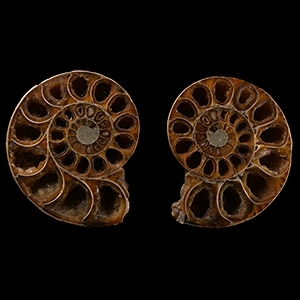
Natural History - Cut and Polished Fossil Ammonite
Jurassic Period, 200-145 million years B.P.Sold for (Inc. bp): £20
The specimen cut through the middle to reveal the dividing gas chambers with crystal formations; some minor iridescence to outer surfaces. 210 grams total, 83 mm each
From a Lincolnshire, UK, collection. -
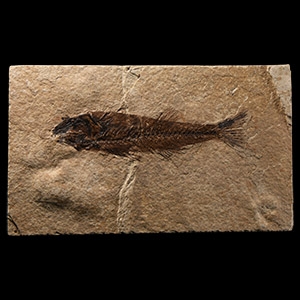
Natural History - Fossil Mioplosus Fish
Eocene Period, 56-33 million years B.P.Sold for (Inc. bp): £26
Displaying good skeletal detail with some visible teeth, on a rectangular matrix. 482 grams, 16.5 cm
From a Lincolnshire, UK, collection.
