
Loading, please wait...
LOT 2184
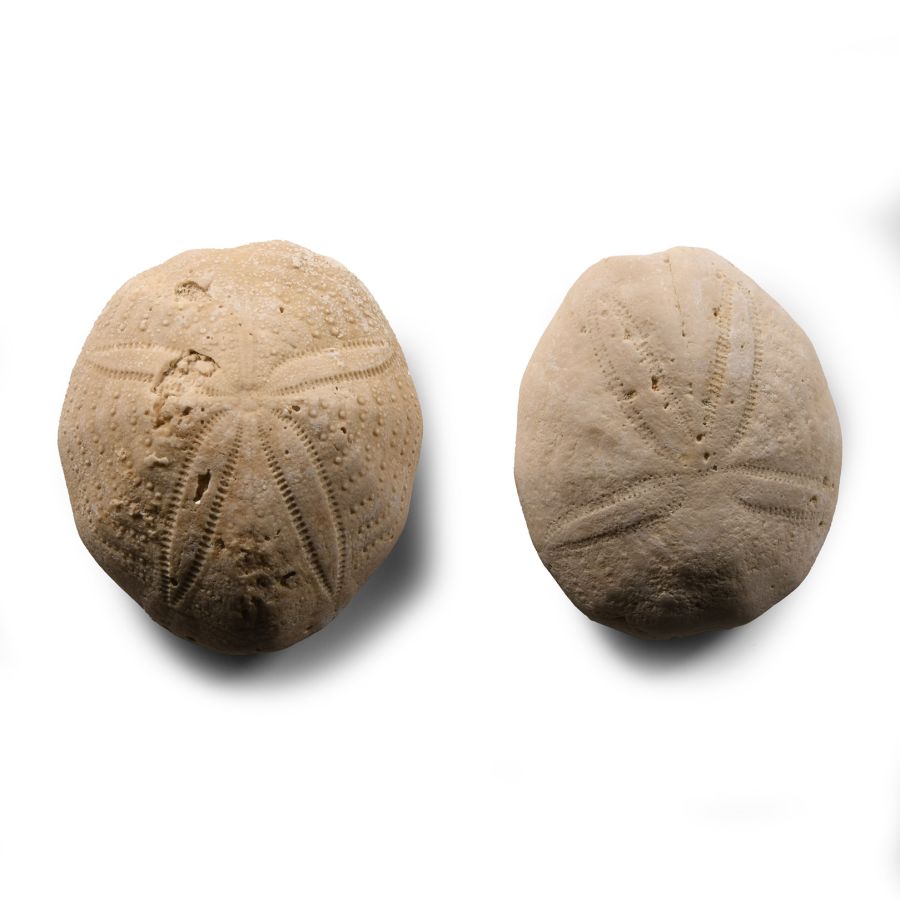
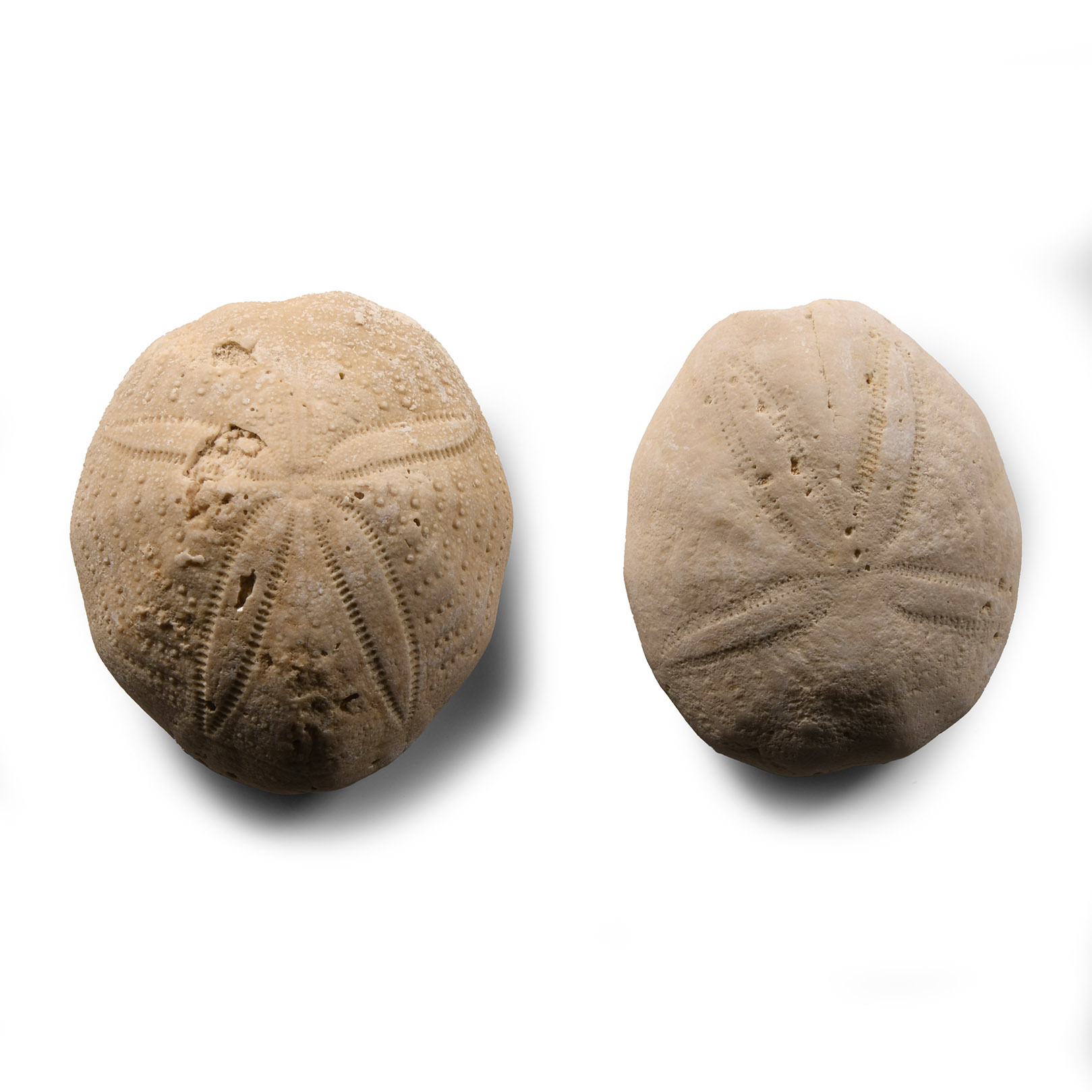
Natural History - Fossil Sea Urchin Pair
EOCENE PERIOD, CIRCA 48-38 MILLION YEARS B.P.
2 5/8 in. (270 grams total, 66-68 mm).
Comprising two Eupatagus antillarum specimens. [2, No Reserve]
ProvenanceFrom a Cambridgeshire, UK, collection.
Property of a Cambridgeshire, UK, gentleman.
TimeLine Auctions follows a vetting process to ensure the authenticity and legality of all items, reinforcing our commitment to integrity and responsible trading. Each antiquity, antique, and coin lot undergoes thorough examination by a vetting committee of at least ten external specialists, professional trade association members, scientists, and archaeologists: Our Vetting Process
AUCTIONS:
TimeLine is a leading auction house specialising in antiquities, ancient art, collectables, natural history, coins, medals, and books. Our auctions offer museums, collectors, historians, and enthusiasts the opportunity to acquire unique and historically significant pieces.
-
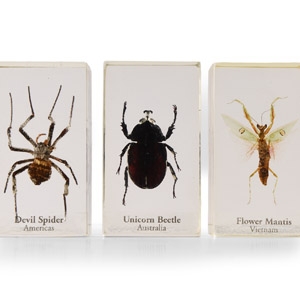
Natural History - Insect Paper Weight Group
20th century A.D.Sold for (Inc. bp): £111
Comprising three insects set in a resin block, comprising: a unicorn beetle from Australia; a flower mantis from Vietnam; a devil spider from Americas. 272 grams total, 74 x 41 mm each
Acquired from Newark Fossil and Gem Fair, circa 2012. Ian Wilkinson collection, Nottinghamshire, UK. -
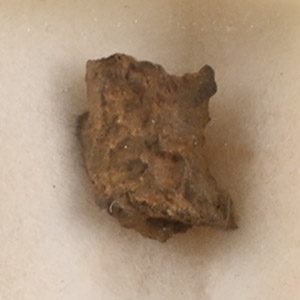
Natural History - Imilac Pallasite Meteorite
Discovered in 1822 A.D.Sold for (Inc. bp): £39
Meteorite in a cuboid capsule; classified as a stony–iron pallasite, Imilac specimens are highly prized by meteorite collectors. 0.66 grams, 11 mm
Found in Chile's Atacama desert while filming an episode of the TV series Meterorite Men. Acquired from Steve Arnold, co-star of 'Meteorite Men'. Ian Wilkinson collection, Nottinghamshire, UK. Accompanied by a signed certificate of authenticity from Steve Arnold. -
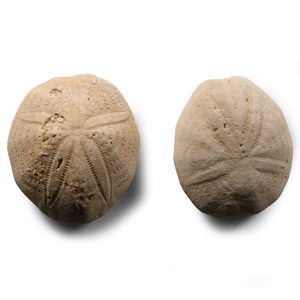
Natural History - Fossil Sea Urchin Pair
Eocene Period, circa 48-38 million years B.P.Sold for (Inc. bp): £26
Comprising two Eupatagus antillarum specimens. 270 grams total, 66-68 mm
From a Cambridgeshire, UK, collection. Property of a Cambridgeshire, UK, gentleman.
