
Loading, please wait...
_900x900.jpg "Natural History - Fossil Ray-Finned Enchodus Jaw")
_200x200.jpg "Natural History - Fossil Ray-Finned Enchodus Jaw")
.jpg "Natural History - Fossil Ray-Finned Enchodus Jaw")
LOT 2443
Natural History - Fossil Ray-Finned Enchodus Jaw
CRETACEOUS PERIOD, 67-65 MILLION YEARS B.P.
15 3/4 in. (3.7 kg, 40 cm).
The fossilised remains of a Enchodus sp. ray-finned fish jaw, including a number of slender teeth; in an oblong matrix retaining its plaster field jacket. [No Reserve]
ProvenanceEx Cambridgeshire, UK, collection.
FootnotesEnchodus is an extinct genus of aulopiform ray-finned fish related to lancetfish and lizardfish.
CONDITIONTimeLine Auctions follows a vetting process to ensure the authenticity and legality of all items, reinforcing our commitment to integrity and responsible trading. Each antiquity, antique, and coin lot undergoes thorough examination by a vetting committee of at least ten external specialists, professional trade association members, scientists, and archaeologists: Our Vetting Process
AUCTIONS:
TimeLine is a leading auction house specialising in antiquities, ancient art, collectables, natural history, coins, medals, and books. Our auctions offer museums, collectors, historians, and enthusiasts the opportunity to acquire unique and historically significant pieces.
-
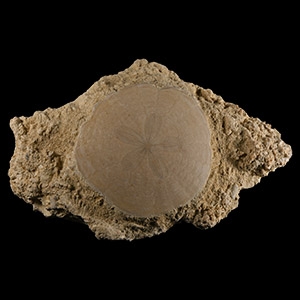
Natural History - Fossil 'Sand Dollar' on Matrix
Jurassic Period, 199-145 million years B.P.Sold for (Inc. bp): £20
Comprising a large specimen on a sandstone matrix. 555 grams, 17 cm
From a Lincolnshire, UK, collection. -
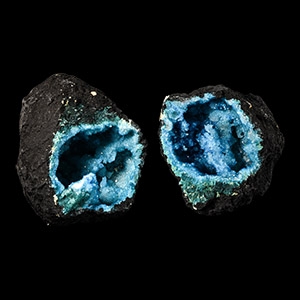
Natural History - Coloured Quartz Nodule
Sold for (Inc. bp): £46
Comprising two halves, split to reveal the enhanced turquoise coloured quartz crystals. 940 grams total, 10.1-11.8 cm
From a Cambridgeshire, UK, collection. -
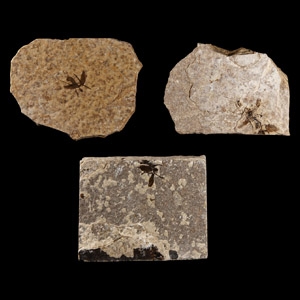
Natural History - Fossil Fly Group
Eocene Period, 50 million years B.P.Sold for (Inc. bp): £13
Comprising three specimens on a matrix. 150 grams total, 58-60 mm
From the Green River Formation, south western Wyoming, U.S.A. Collected between 1930 and 1960. From the collection of the palaeontologist R Gledhill.
