
Loading, please wait...
LOT 2450
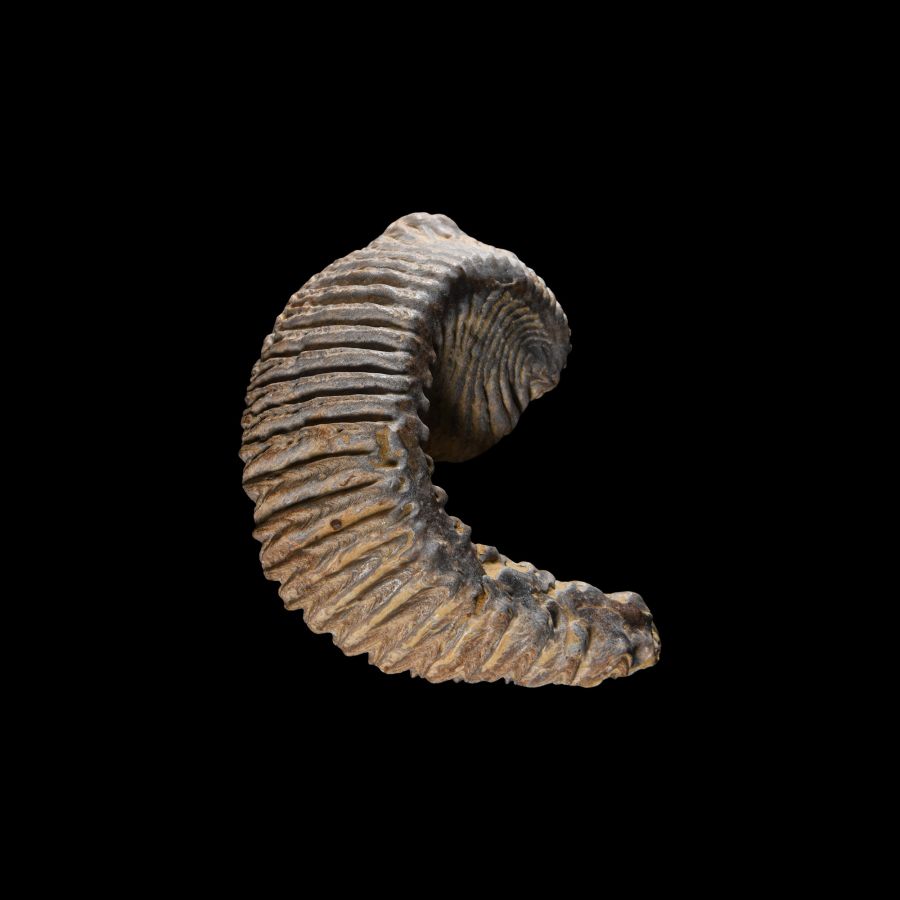
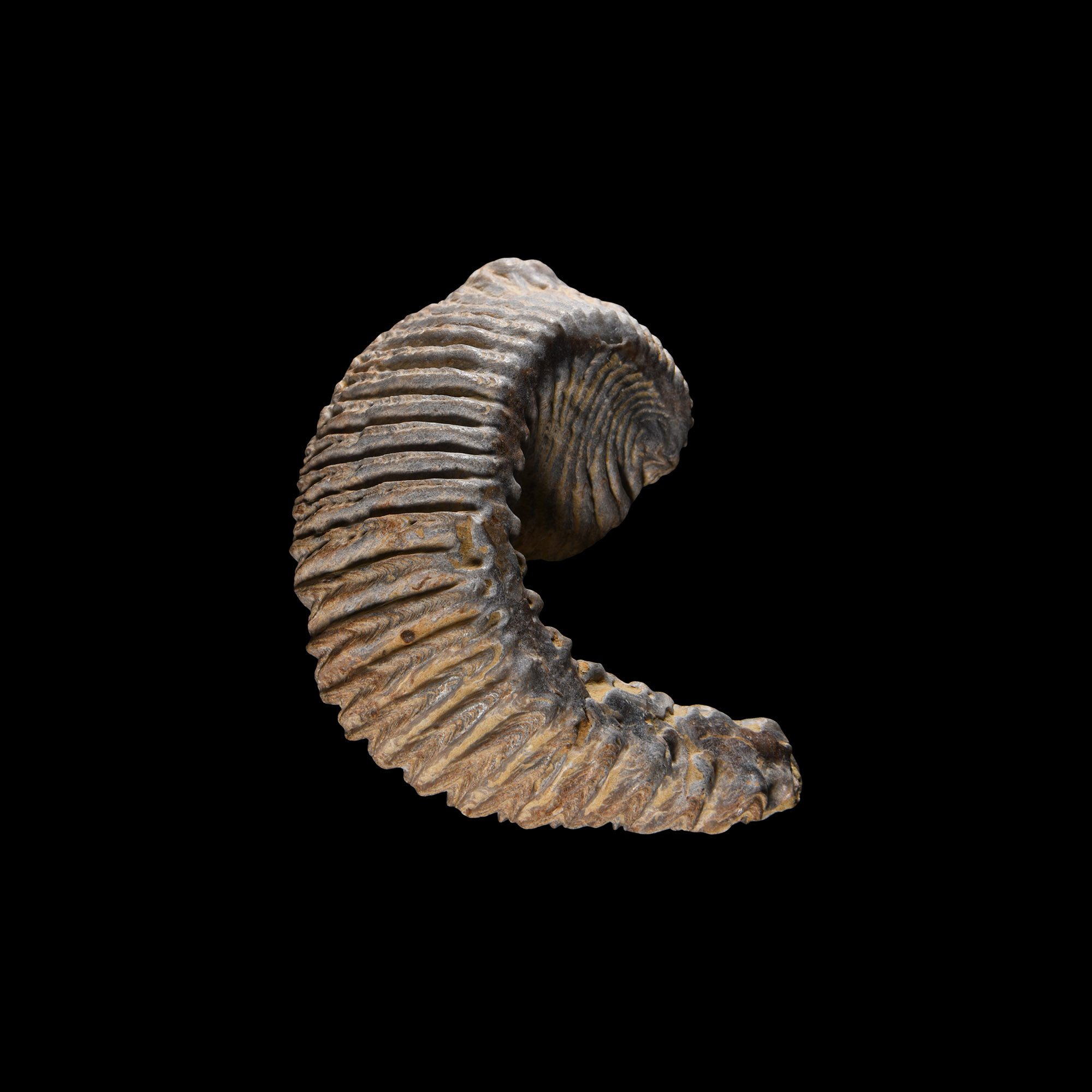
Natural History - Fossil Rastellum Bivalve
MIDDLE JURASSIC-LATE CRETACEOUS PERIOD, 174-66 MILLION YEARS B.P.
2 7/8 in. (120 grams, 73 mm).
The mollusc specimen with a narrow-valved tubular shell. [No Reserve]
ProvenanceFrom a Cambridgeshire, UK, collection.
CONDITIONTimeLine Auctions follows a vetting process to ensure the authenticity and legality of all items, reinforcing our commitment to integrity and responsible trading. Each antiquity, antique, and coin lot undergoes thorough examination by a vetting committee of at least ten external specialists, professional trade association members, scientists, and archaeologists: Our Vetting Process
AUCTIONS:
TimeLine is a leading auction house specialising in antiquities, ancient art, collectables, natural history, coins, medals, and books. Our auctions offer museums, collectors, historians, and enthusiasts the opportunity to acquire unique and historically significant pieces.
-
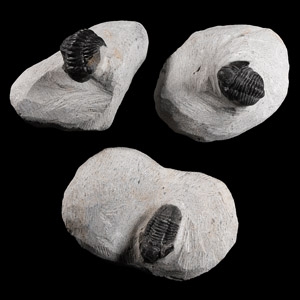
Natural History - Fossil Morocops Trilobite Group
Devonian Period, 417-354 million years B.P.Sold for (Inc. bp): £26
Comprising three Morocops (Barrandeops) sp. on a matrix. 275 grams total, 58-61 mm
From the Atlas Mountains, Hamar Laghdad Formation, Prgain, Alnif, Morocco, North Africa. From an old Oxford, UK, paleontological collection. -
.jpg)
Natural History - Amethyst Crystal Pyramid Pair
Sold for (Inc. bp): £13
Cut and polished; held in a white card collector's tray. 172 grams total, 9.7-10.2 cm
Very fine condition.
From Brazil. Mineral Imports, London, UK. Gregory, Bottley & Lloyd (Gregory's). -
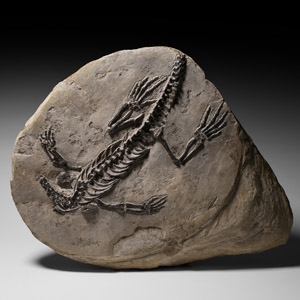
Natural History - Fossil Claudiosaurus Skeleton
Late Permian-Early Triassic Period, circa 252-250 million years B.P.Sold for (Inc. bp): £1,820
In an irregular matrix. 12.2 kg, 43 cm
Fine condition.
From Madagascar. From a Cambridgeshire, UK, collection. This lot has been checked against the Interpol Database of stolen works of art and is accompanied by search certificate no.11551-195800.
It is theorised that this was a semi-aquatic, lizard-like dinosaur.
