
Loading, please wait...

LOT 2551
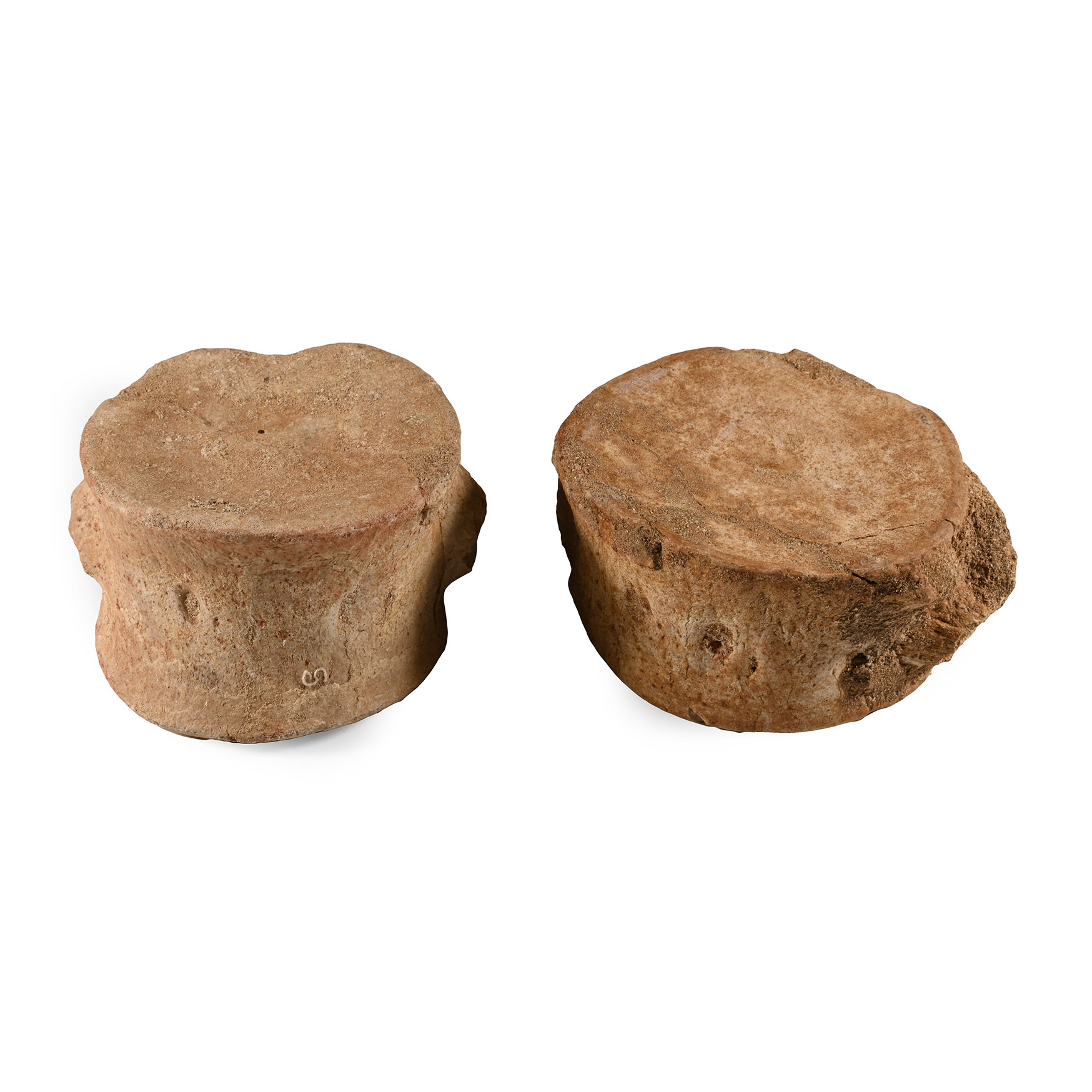
Natural History - Fossil Plesiosaur 'Marine Dinosaur' Vertebra Group
JURASSIC PERIOD, CIRCA 200-145 MILLION YEARS B.P.
3 3/8 - 3 3/4 in. (617 grams total, 86-96 mm).
Comprising two main bodies. [2, No Reserve]
ProvenanceFrom a Cambridgeshire, UK, collection.
LiteratureSee O’Keefe, F.R., The evolution of plesiosaur and pliosaur morphotypes in the Plesiosauria (Reptilia: Sauropterygia), 2002, Paleobiology, 28: 101-112.
CONDITIONTimeLine Auctions follows a vetting process to ensure the authenticity and legality of all items, reinforcing our commitment to integrity and responsible trading. Each antiquity, antique, and coin lot undergoes thorough examination by a vetting committee of at least ten external specialists, professional trade association members, scientists, and archaeologists: Our Vetting Process
AUCTIONS:
TimeLine is a leading auction house specialising in antiquities, ancient art, collectables, natural history, coins, medals, and books. Our auctions offer museums, collectors, historians, and enthusiasts the opportunity to acquire unique and historically significant pieces.
LOT 2551
Natural History - Fossil Plesiosaur 'Marine Dinosaur' Vertebra Group
Sold for (Inc. bp): £52
-
Natural History - Historic 'Mexico' Rosasite Mineral Specimen
Sold for (Inc. bp): £13
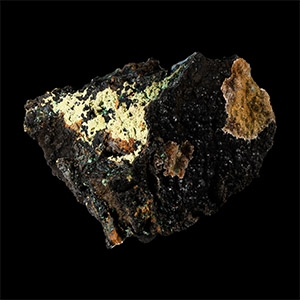
Well-formed crystals on a matrix of brownish black limonite, the crystals coated, in certain areas, by very small, translucent light brown crystals, possibly calcite, collection number 492, with an old Gregor, Bottley & Lloyd label. 56 grams, 74 mm
Acquired on the UK mineral and fossil market, since 1970. From the historic mineral collection of Richard Valentine Cain, London, UK, thence by descent. Accompanied by an original historic index file card. -
Natural History - Historic Mineral Specimen Collection
Sold for (Inc. bp): £7
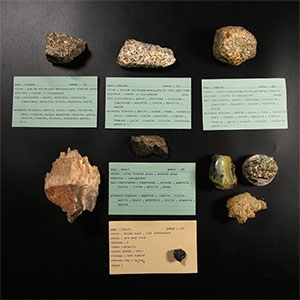
Comprising: pyrite from Italy on a granite stand; granite from Middlesex, England, collection number 534; halite(?), no collection number; granite from the A40 construction works, Middlesex, collection number 502; basalt, collection number 225; bornite, collection number 178; quartz, no collection number; granite from adjacent to Ruislip Road, Greenford, Middlesex, England, collection number 462; an unidentified banded specimen, possibly slag, no collection number. 1.1 kg total, 2.1-10.9 cm
Acquired on the UK mineral and fossil market, since 1970. From the historic mineral collection of Richard Valentine Cain, London, UK, thence by descent. Five specimens accompanied by an original historic index file card. -
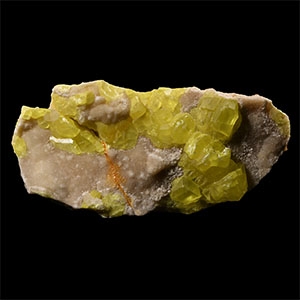
Natural History - Historic 'Italy' Sulphur on Aragonite Mineral Specimen
Sold for (Inc. bp): £52
Large specimen with lemon-yellow crystals, collection number 516; repaired. 778 grams, 15.5 cm
Acquired on the UK mineral and fossil market, since 1970. From the historic mineral collection of Richard Valentine Cain, London, UK, thence by descent. Accompanied by an original historic index file card.
