
Loading, please wait...
LOT 2212
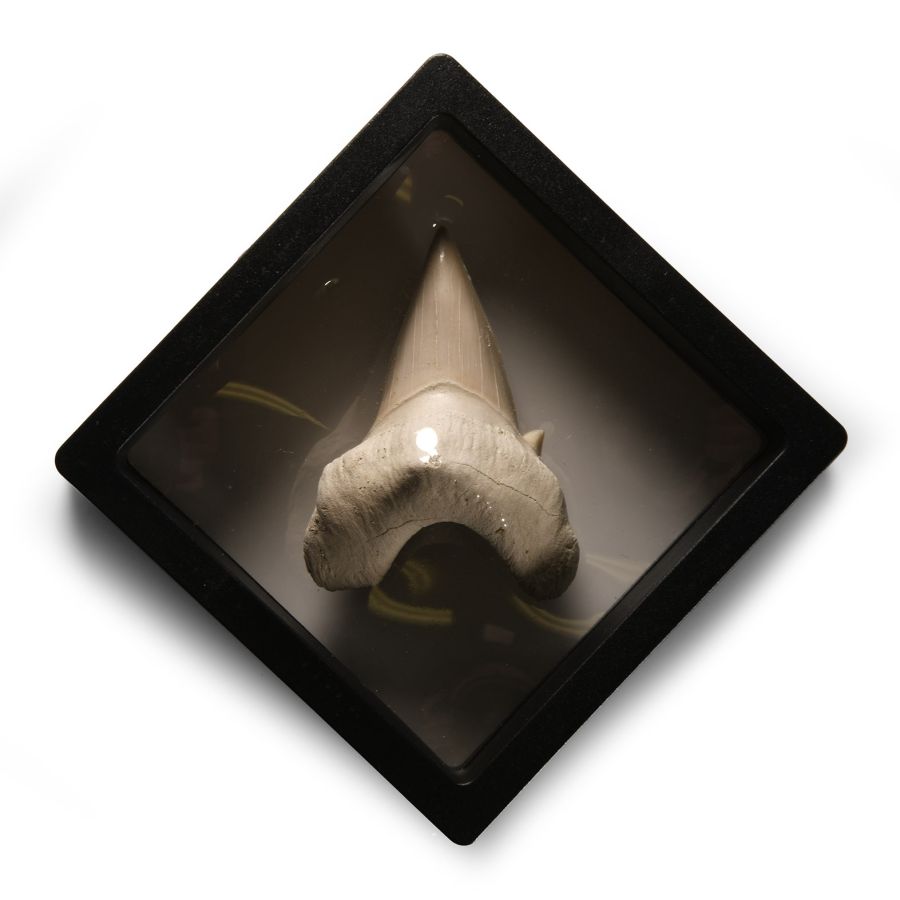
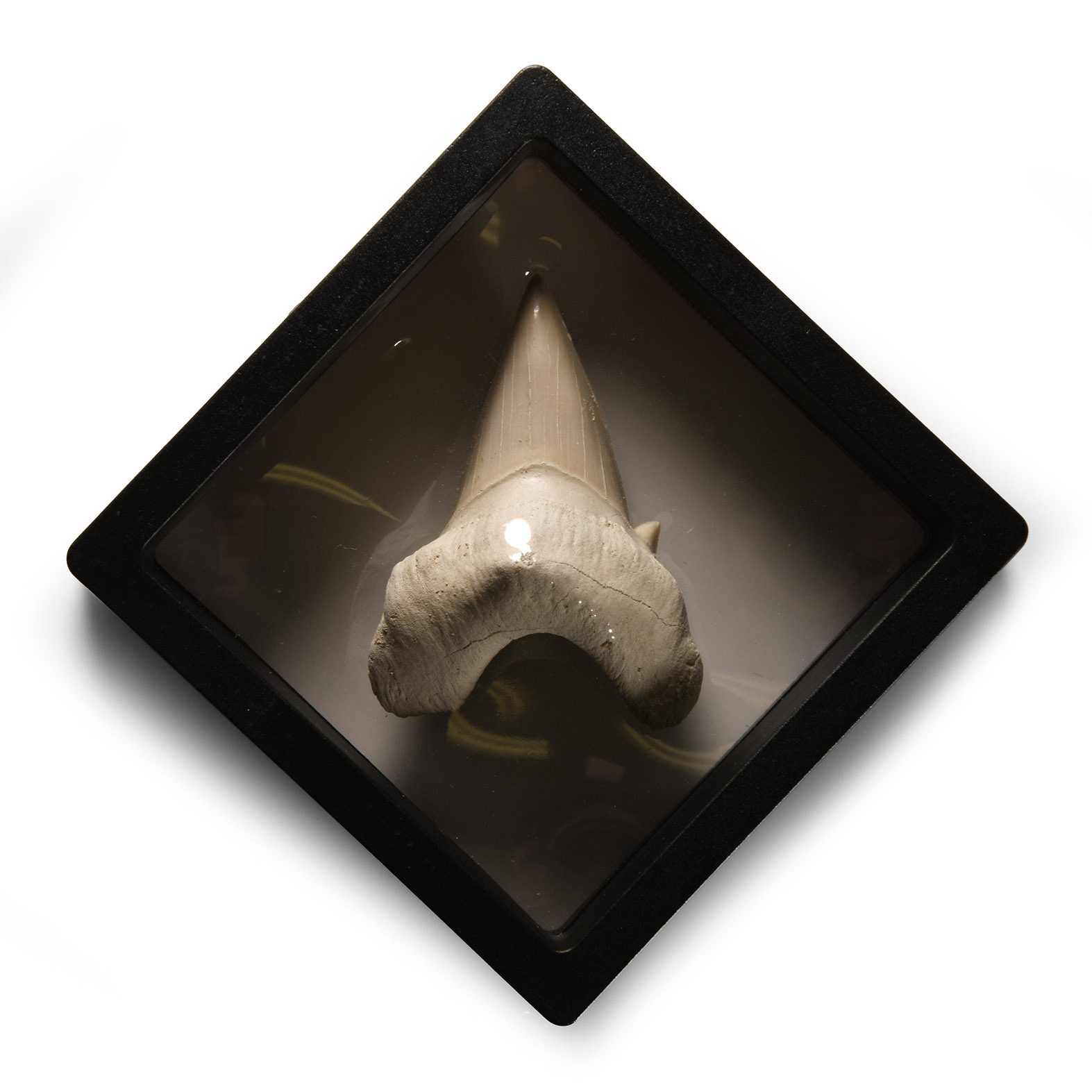
Natural History - Fossil Otodus Shark Tooth Display
EOCENE PERIOD, CIRCA 56-33 MILLION YEARS B.P.
2 3/8 in. (5 1/8 in.) (28.3 grams, 60 mm (64 grams total, 13 cm high including case)).
Comprising a large Otodus obliquus tooth; supplied in a display frame. [No Reserve]
ProvenanceFrom a Cambridgeshire, UK, collection.
Property of a Cambridgeshire, UK, gentleman.
TimeLine Auctions follows a vetting process to ensure the authenticity and legality of all items, reinforcing our commitment to integrity and responsible trading. Each antiquity, antique, and coin lot undergoes thorough examination by a vetting committee of at least ten external specialists, professional trade association members, scientists, and archaeologists: Our Vetting Process
AUCTIONS:
TimeLine is a leading auction house specialising in antiquities, ancient art, collectables, natural history, coins, medals, and books. Our auctions offer museums, collectors, historians, and enthusiasts the opportunity to acquire unique and historically significant pieces.
-
Natural History - Mixed Seashell Collection
Sold for (Inc. bp): £7
Comprising a large group of attractive seashells in a variety of colours and types, including spiral and spiky specimens. 1.07 kg total, 2.2-13 cm
Acquired from various sources within the UK. Ian Wilkinson collection, Nottinghamshire, UK, formed since 1985. -
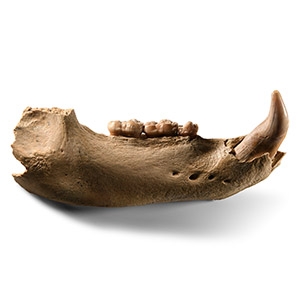
Natural History - Fossil Cave Bear Lower Jaw
Late Pleistocene Period, circa 40,000-20,000 years B.P.Estimate: £400 - 600 (+bp*)
Opening Bid: £80
Comprising the right side of Ursus spelaeus lower jaw with three molars and canine (repaired). 304 grams, 20.5 cm
From the private collection of a London gentleman formed since 2003.
The cave bear was a prehistoric species of bear that lived in Europe and Asia, and became extinct about 24,000 years ago during the Last Glacial Maximum. -
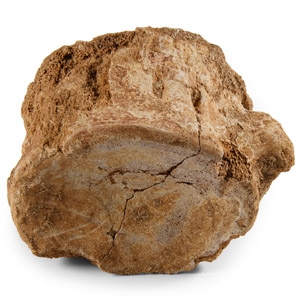
Natural History - Plesiosaurus 'Marine Dinosaur' Fossil Vertebra
Jurassic Period, circa 199-145 million years B.P.Sold for (Inc. bp): £33
Comprising the main body of the vertebra. 238 grams, 85 mm
From a Cambridgeshire, UK, collection. Property of a Cambridgeshire, UK, gentleman.
