
Loading, please wait...
LOT 2159
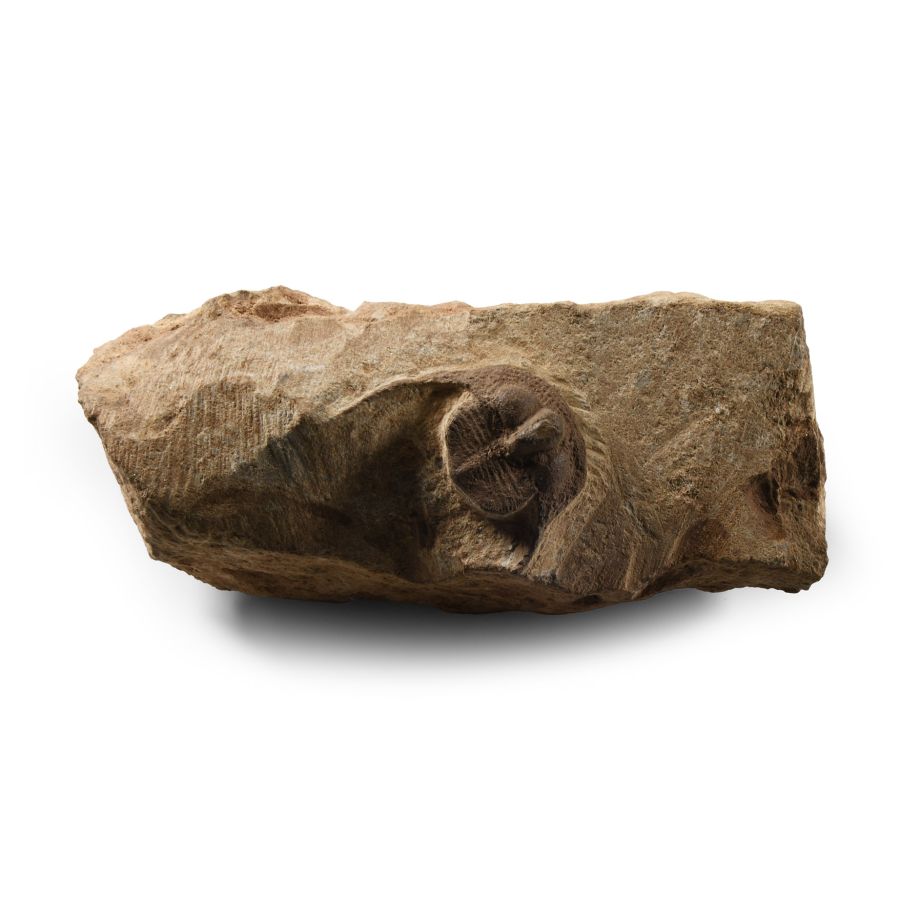
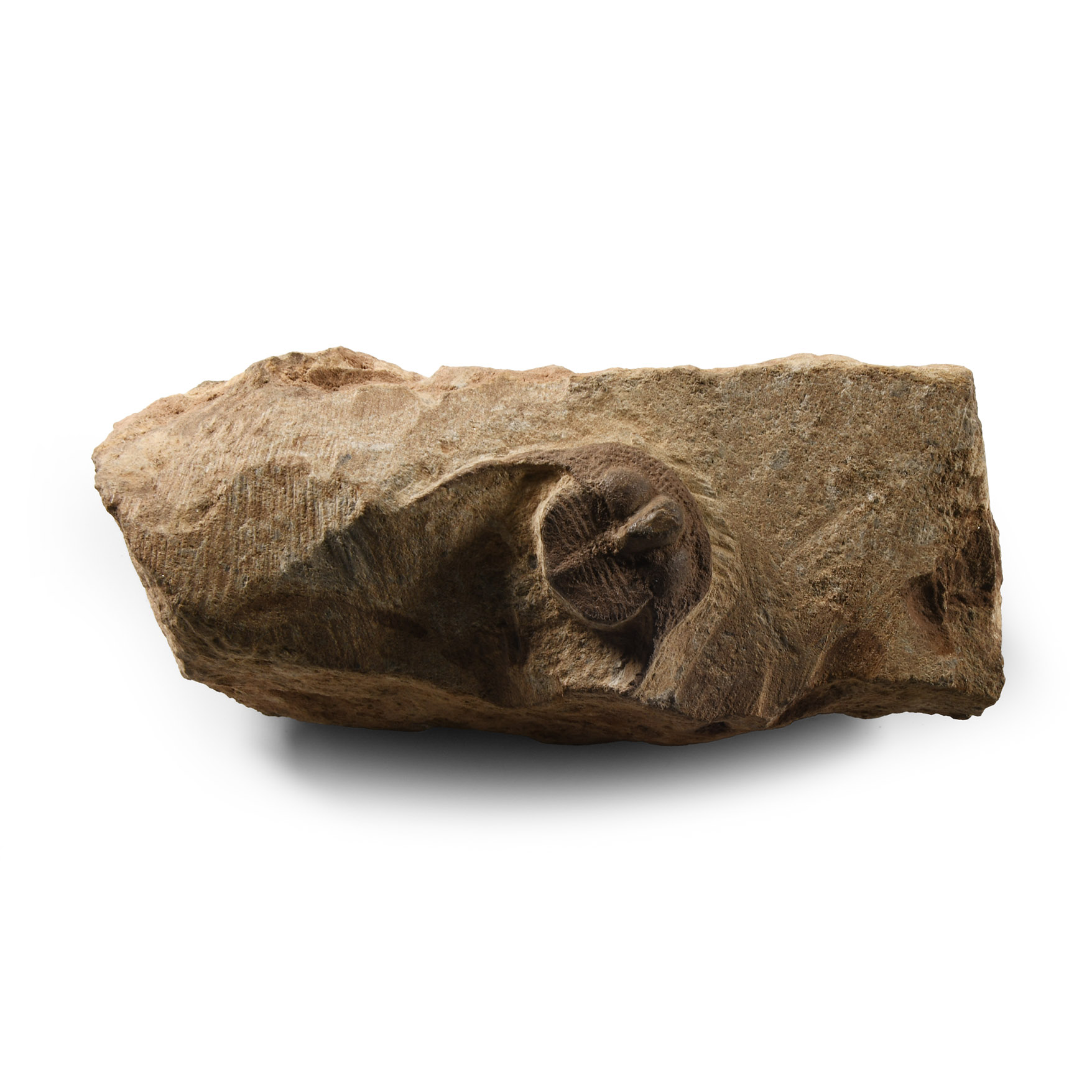
Natural History - Fossil Onnia Trilobite on Matrix
ORDOVICIAN PERIOD, CIRCA 510-445 MILLION YEARS B.P.
4 1/4 in. (311 grams, 10.8 cm).
Displaying distinctive swept-back genal spines. [No Reserve]
ProvenanceFrom a Cambridgeshire, UK, collection.
Property of a Cambridgeshire, UK, gentleman.
TimeLine Auctions follows a vetting process to ensure the authenticity and legality of all items, reinforcing our commitment to integrity and responsible trading. Each antiquity, antique, and coin lot undergoes thorough examination by a vetting committee of at least ten external specialists, professional trade association members, scientists, and archaeologists: Our Vetting Process
AUCTIONS:
TimeLine is a leading auction house specialising in antiquities, ancient art, collectables, natural history, coins, medals, and books. Our auctions offer museums, collectors, historians, and enthusiasts the opportunity to acquire unique and historically significant pieces.
-
Natural History - Fossil Whitby Dac Ammonite Cluster
Lower Jurassic Period, Toarcian Stage, circa 180 million years B.P.Sold for (Inc. bp): £7
Comprising variously sized Dactylioceras sp. specimens. 1.11 kg, 16.8 cm
From a Lincolnshire, UK, collection. Property of a Cambridgeshire, UK, gentleman. -
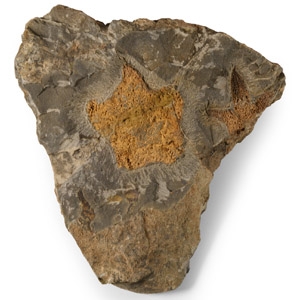
Natural History - Fossil Petraster Starfish on Matrix
Ordovician Period, circa 485-444 million years B.P.Sold for (Inc. bp): £7
Showing a complete and a partial Petraster sp. specimen; repaired. 711 grams, 15.5 cm
From a Cambridgeshire, UK, collection. Property of a Cambridgeshire, UK, gentleman. -
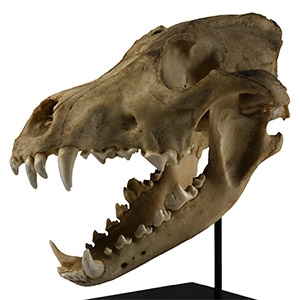
Natural History - Canis Teilhardi Wolf's Skull
Late Pliocene-early Pleistocene Period, circa 5.3 million-60,000 years B.P.Sold for (Inc. bp): £1,105
A near complete example retaining many of the animal's teeth; mounted on a custom-made display stand. 1.72 kg total, 24.5 cm including stand
From a collection acquired on the UK art market from various auction houses and collections mostly before 2000. From an important Cambridgeshire estate; thence by descent.
