
Loading, please wait...
LOT 2265
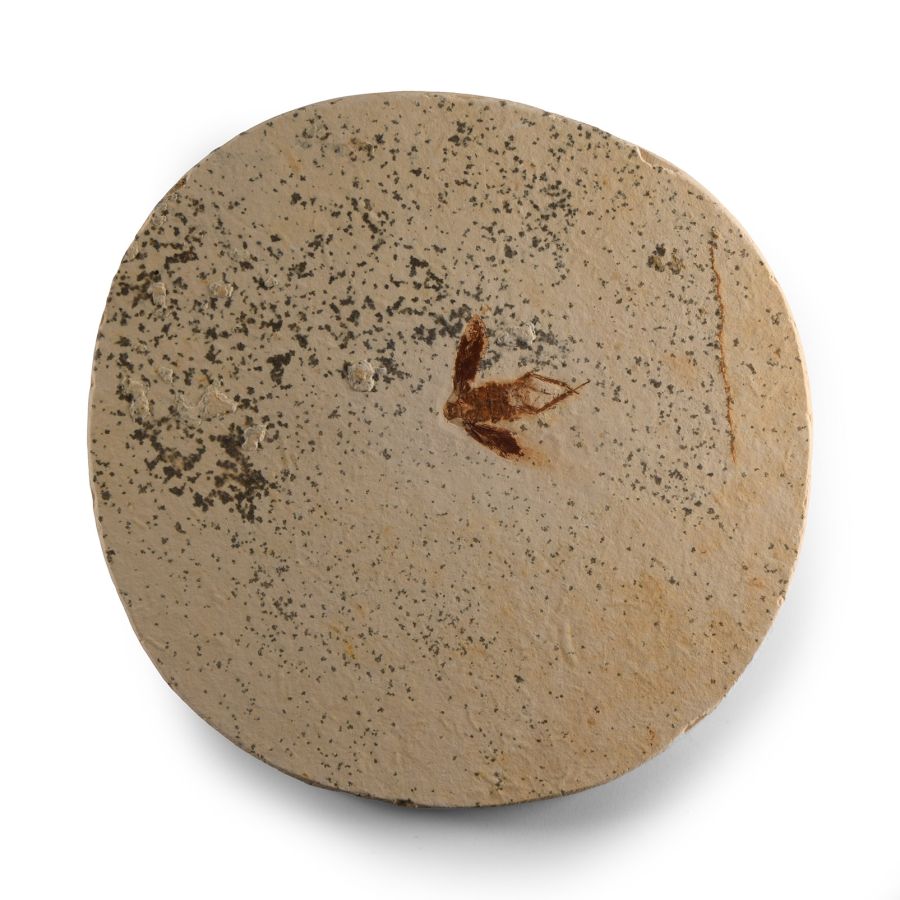
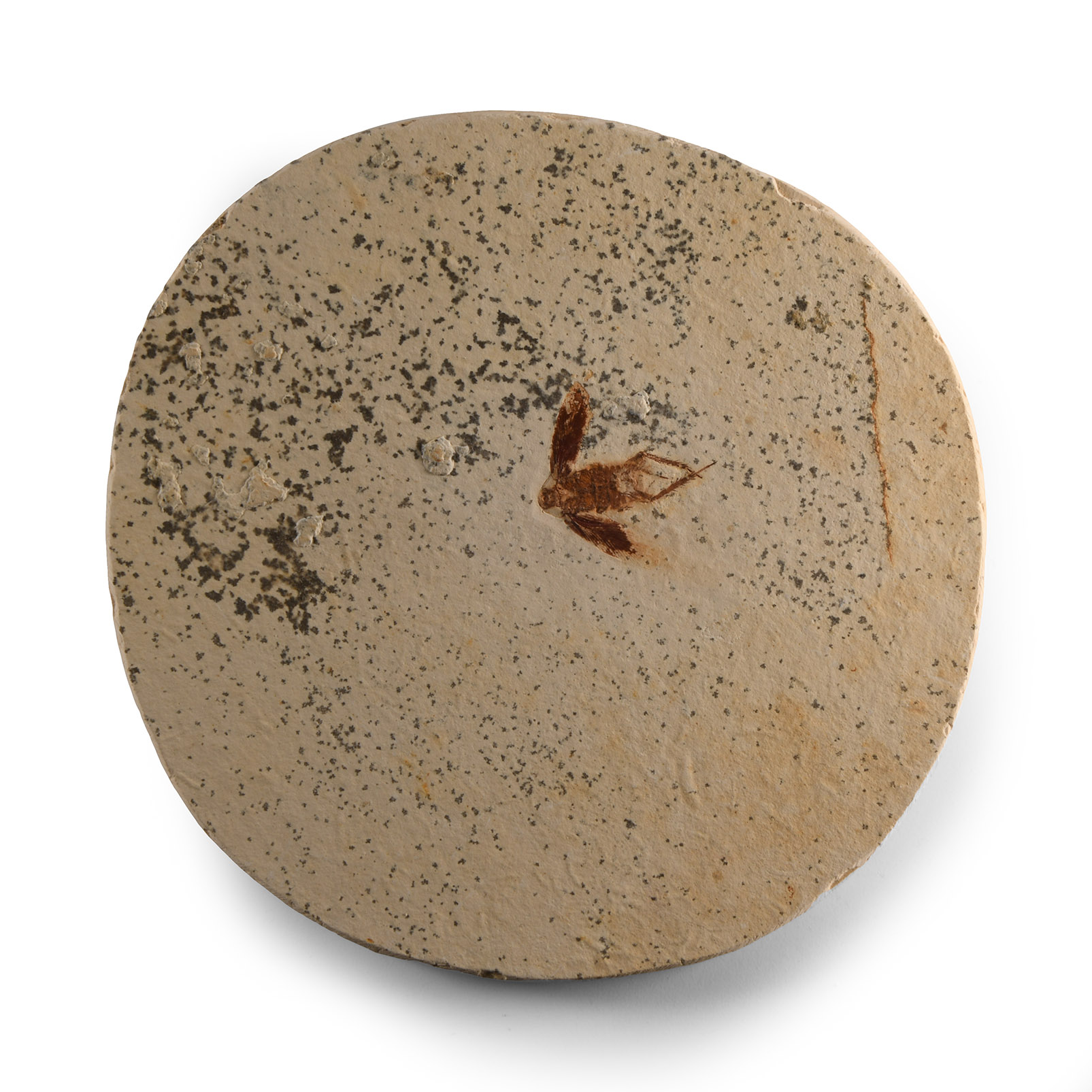
Natural History - Fossil Moss Bug Insect
LOWER CRETACEOUS PERIOD, CIRCA 108-92 MILLION YEARS B.P.
4 1/8 in. (90 grams, 10.6 cm).
Peloridiidae on a circular matrix. [No Reserve]
ProvenanceFrom the Crato Formation of the late Aptian-Cenomanian period, Nova Olinda Member, Ceara, Brazil.
Acquired during 1990s.
From an old Lincoln, UK, collection.
TimeLine Auctions follows a vetting process to ensure the authenticity and legality of all items, reinforcing our commitment to integrity and responsible trading. Each antiquity, antique, and coin lot undergoes thorough examination by a vetting committee of at least ten external specialists, professional trade association members, scientists, and archaeologists: Our Vetting Process
AUCTIONS:
TimeLine is a leading auction house specialising in antiquities, ancient art, collectables, natural history, coins, medals, and books. Our auctions offer museums, collectors, historians, and enthusiasts the opportunity to acquire unique and historically significant pieces.
-
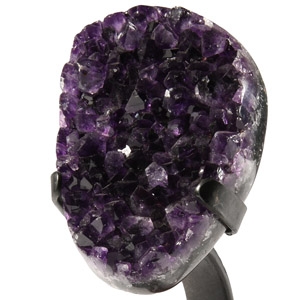
Natural History - Amethyst Crystal Display
Sold for (Inc. bp): £52
A cut section of amethyst crystals of good colour on a custom-made display stand. 1.6 kg total, 12 cm high (21 cm high including stand)
Ex Lincolnshire, UK, collection. -
![Natural History - Mixed Polished Mineral Specimen Pebble Group [100]](https://timelineauctions.com/upload/images/items/small/211395-s.jpg)
Natural History - Mixed Polished Mineral Specimen Pebble Group [100]
Sold for (Inc. bp): £20
Comprising: haematite, quartz, amethyst, aventurine, agate, dalmatian jasper and others. 793 grams total, 18-33 mm
Ex Mineral Imports, London, UK. Gregory, Bottley & Lloyd (Gregory's). -
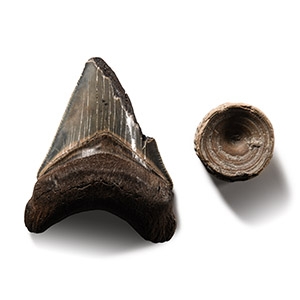
Natural History - Fossil Shark Vertebrae and Megalodon Giant Shark Tooth Group
Jurassic-Pliocene Period, circa 190-2.5 million years B.C.Sold for (Inc. bp): £59
Comprising a lamnoid-type vertebra with visible septa, the Otodus megalodon tooth with some good enamel and partial serrations. 72.5 grams total, 29-68 mm
From North Carolina, U.S.A. The tooth ex Little Gems Rock Shop, Norfolk, U.K. From the private collection of Mr A Hills, Kent, UK. Accompanied by a Little Gems Rock Shop card with handwritten identification for the Megalodon tooth.
