
Loading, please wait...
LOT 2374
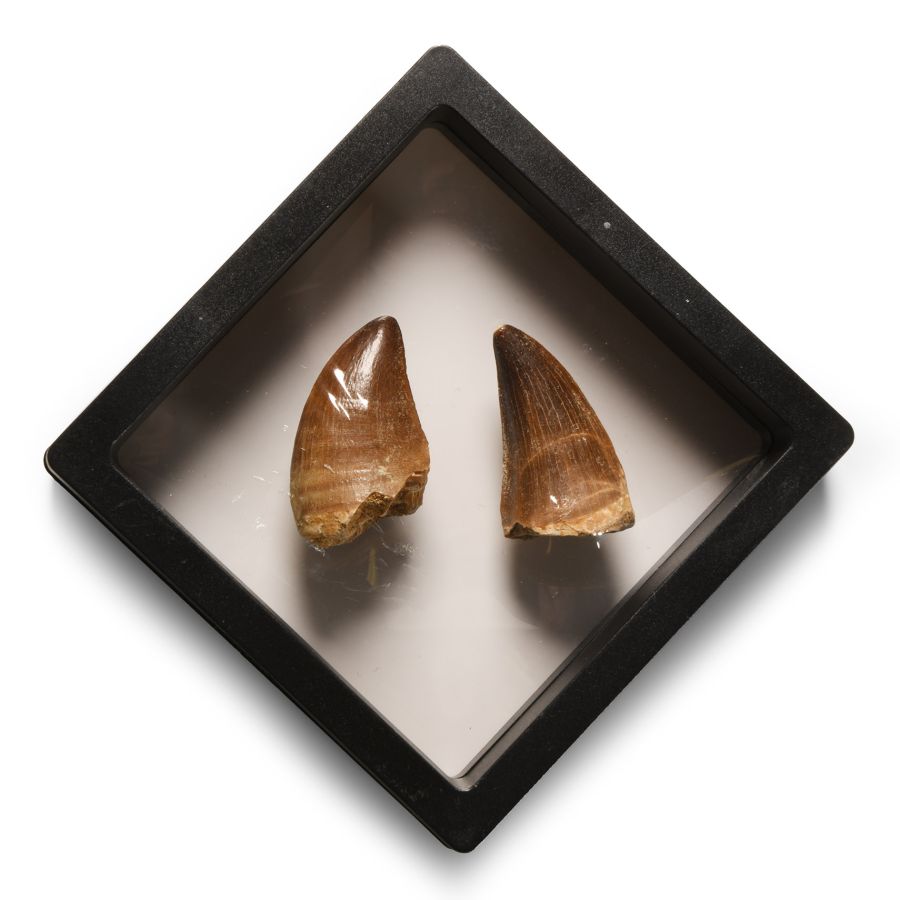
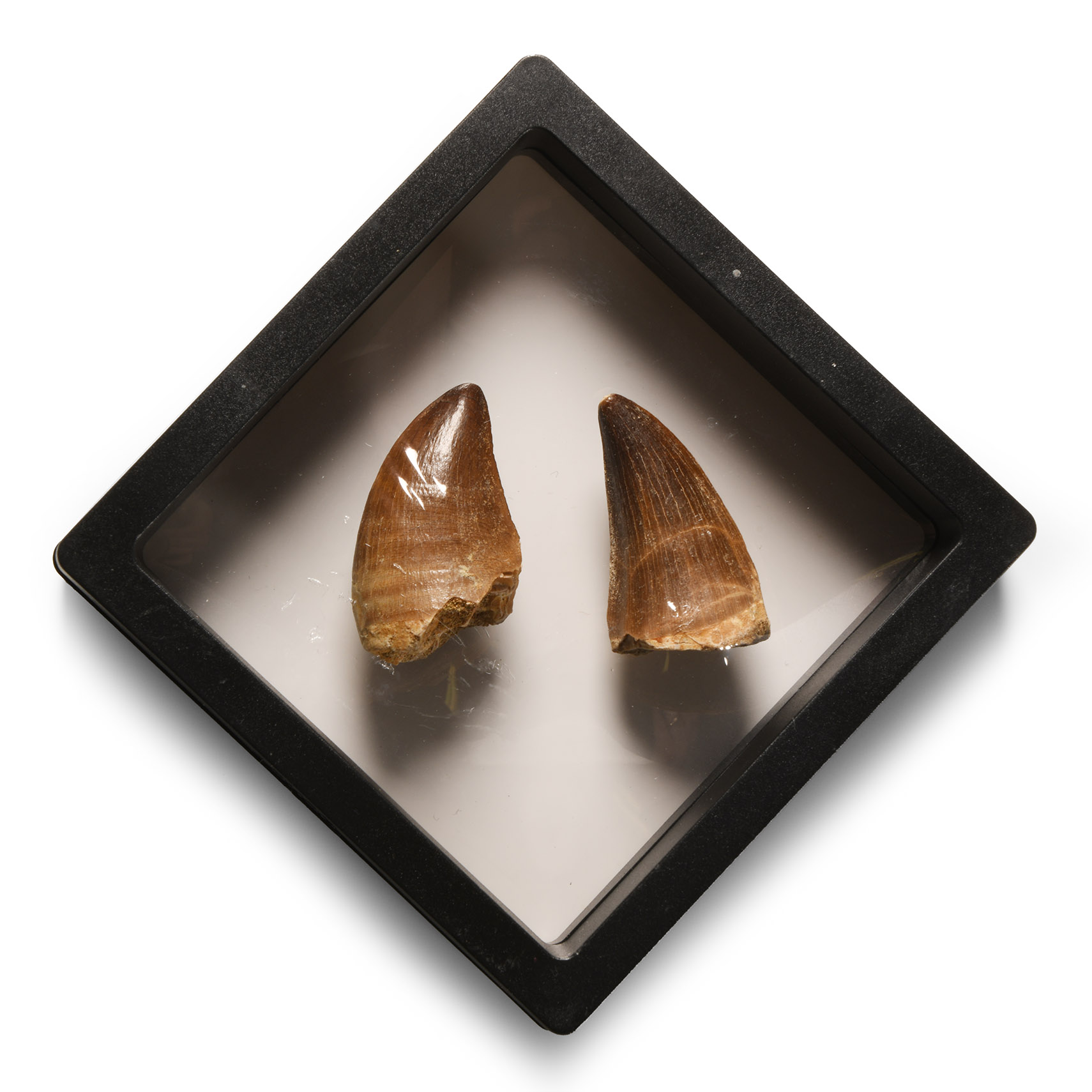
Natural History - Fossil Mosasaur Tooth Display
CRETACEOUS PERIOD, CIRCA 145-65 MILLION YEARS B.P.
1 3/8 in. (5 1/8 in.) (20.8 grams total, 35-36 mm (57 grams total, 13 cm high including case)).
Comprising two Mosasaur prognathodon teeth; supplied in a custom display frame. [2, No Reserve]
ProvenanceFrom a Cambridgeshire, UK, collection.
Property of a Cambridgeshire, UK, gentleman.
TimeLine Auctions follows a vetting process to ensure the authenticity and legality of all items, reinforcing our commitment to integrity and responsible trading. Each antiquity, antique, and coin lot undergoes thorough examination by a vetting committee of at least ten external specialists, professional trade association members, scientists, and archaeologists: Our Vetting Process
AUCTIONS:
TimeLine is a leading auction house specialising in antiquities, ancient art, collectables, natural history, coins, medals, and books. Our auctions offer museums, collectors, historians, and enthusiasts the opportunity to acquire unique and historically significant pieces.
-
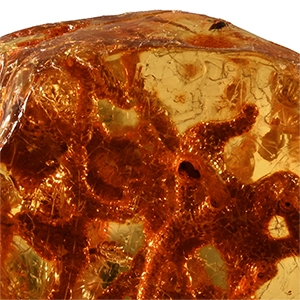
Natural History - Large Polished Copal Amber with Termite Nest and Termites
Over 3 million years B.P.Sold for (Inc. bp): £52
Comprising an irregular block with a number of termite inclusions, and later built tunnel system forming part of the nest. 52.3 grams, 60 mm
From Brazil. Ian Wilkinson collection, Nottinghamshire, UK, formed since 1985. -
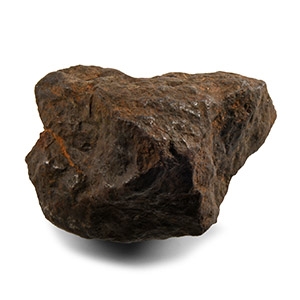
Natural History - Asiatic Chondrite Meteorite
Sold for (Inc. bp): £65
An irregular meteorite of the chondrite type, not modified by melting. 83 grams, 49 mm
Found East Asia. From the personal collection of a West London, UK, gentleman. -
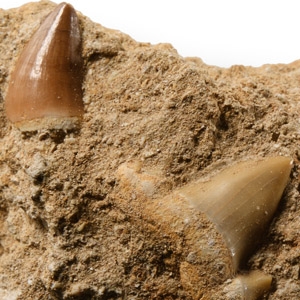
Natural History - Fossil Mosasaur 'Marine Dinosaur' and Shark Teeth
Cretaceous Period, 145-65 million years B.P.Sold for (Inc. bp): £46
The assemblage set on a sandstone matrix comprising two shark teeth and a Mosasaur prognathodon tooth. 178 grams, 81 mm
From a Cambridgeshire, UK, collection. Property of a Cambridgeshire, UK, gentleman.
