
Loading, please wait...
LOT 2805
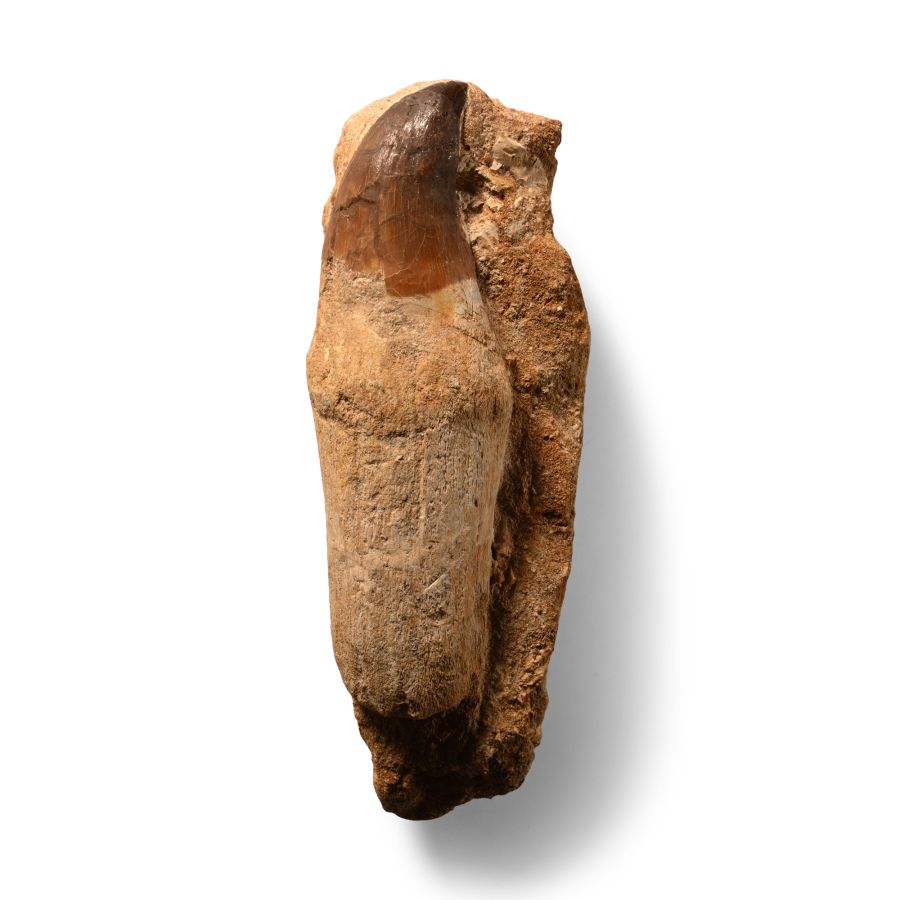
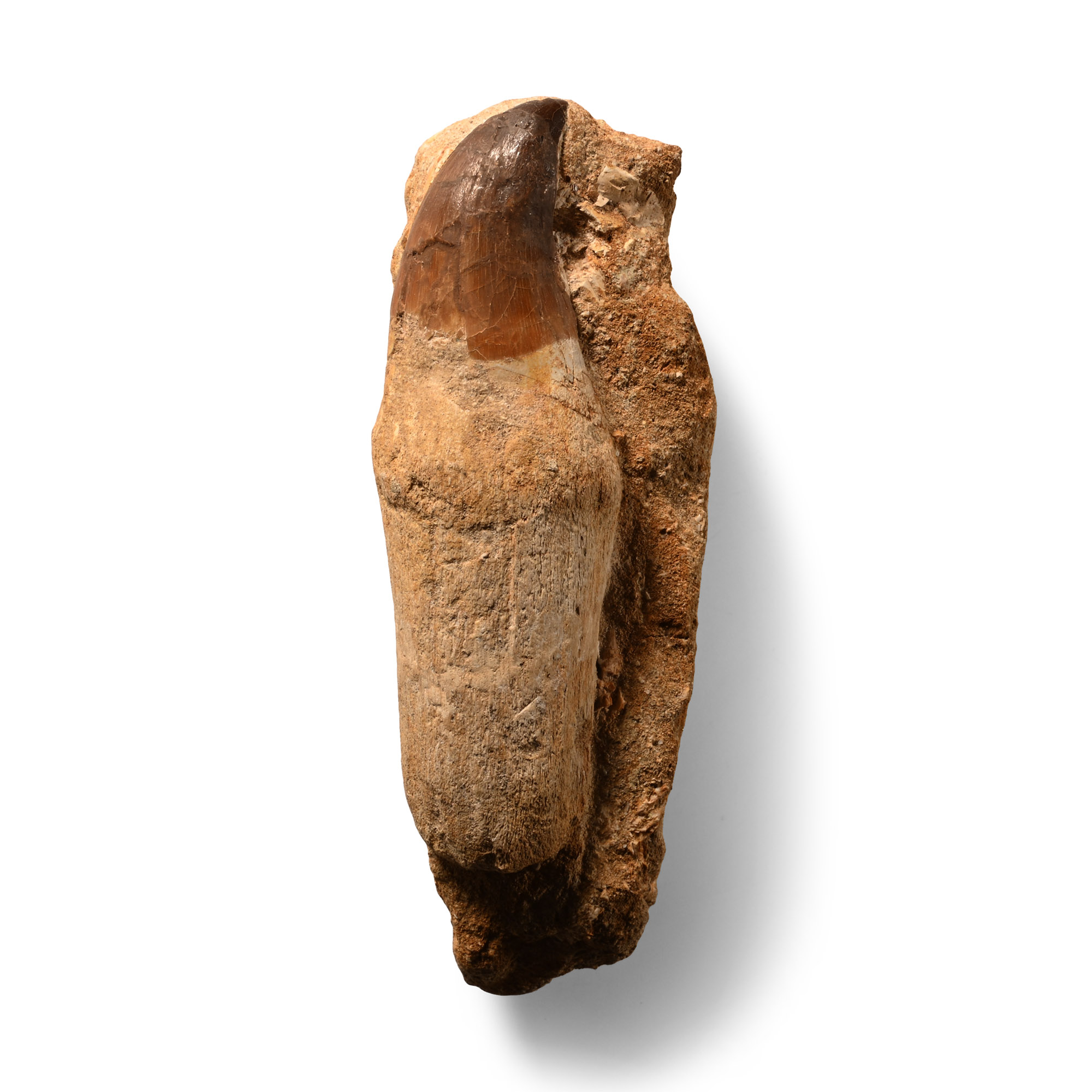
Natural History - Fossil Mosasaur 'Marine Dinosaur' Tooth on Matrix
CRETACEOUS PERIOD, CIRCA 145-65 MILLION YEARS B.P.
5 3/8 in. (306 grams, 13.7 cm).
Showing the tooth and a good portion of the root. [No Reserve]
ProvenanceFrom a Cambridgeshire, UK, collection.
CONDITIONTimeLine Auctions follows a vetting process to ensure the authenticity and legality of all items, reinforcing our commitment to integrity and responsible trading. Each antiquity, antique, and coin lot undergoes thorough examination by a vetting committee of at least ten external specialists, professional trade association members, scientists, and archaeologists: Our Vetting Process
AUCTIONS:
TimeLine is a leading auction house specialising in antiquities, ancient art, collectables, natural history, coins, medals, and books. Our auctions offer museums, collectors, historians, and enthusiasts the opportunity to acquire unique and historically significant pieces.
LOT 2805
Natural History - Fossil Mosasaur 'Marine Dinosaur' Tooth on Matrix
Sold for (Inc. bp): £39
-
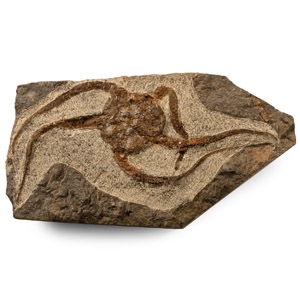
Natural History - Fossil Brittle Star
Ordovician Period, 485-444 million years B.P.Sold for (Inc. bp): £59
A polygonal matrix displaying a fossilised Ophiura sp. 242 grams, 13.2 cm
From a Cambridgeshire, UK, collection. -
.jpg)
Natural History - Mineral Specimen Collection
Sold for (Inc. bp): £7
Comprising: a dolomite and quartz specimen from Nentsbury Mine, Northumbria, UK, supplied with an old M.G. Weller collection label; a cassiterite specimen from Old Beam Mine, Bugle, Cornwall, UK, supplied with an old M.G. Weller collection label; a geode section with a cluster of amethyst crystals, from Brazil; both halves of a quartz geode from Morocco; a group of thirty-five pyrite crystal nuggets of various sizes. 318 grams total, 9-57 mm
Fine condition.
From an old Oxfordshire, UK, fossil and mineral collection. -
.jpg)
Natural History - A Collection of Fossils
Devonian to Jurassic Period, circa 417-145 million years B.P.Sold for (Inc. bp): £39
Mixed group including Perisphinctids indogermanus ammonite, Goniatite and Orthoceras. 584 grams total, 7.4-15.5 cm
From a collection acquired on the UK art market from various auction houses and collections mostly before 2000. From an important Cambridgeshire estate; thence by descent.
