
Loading, please wait...


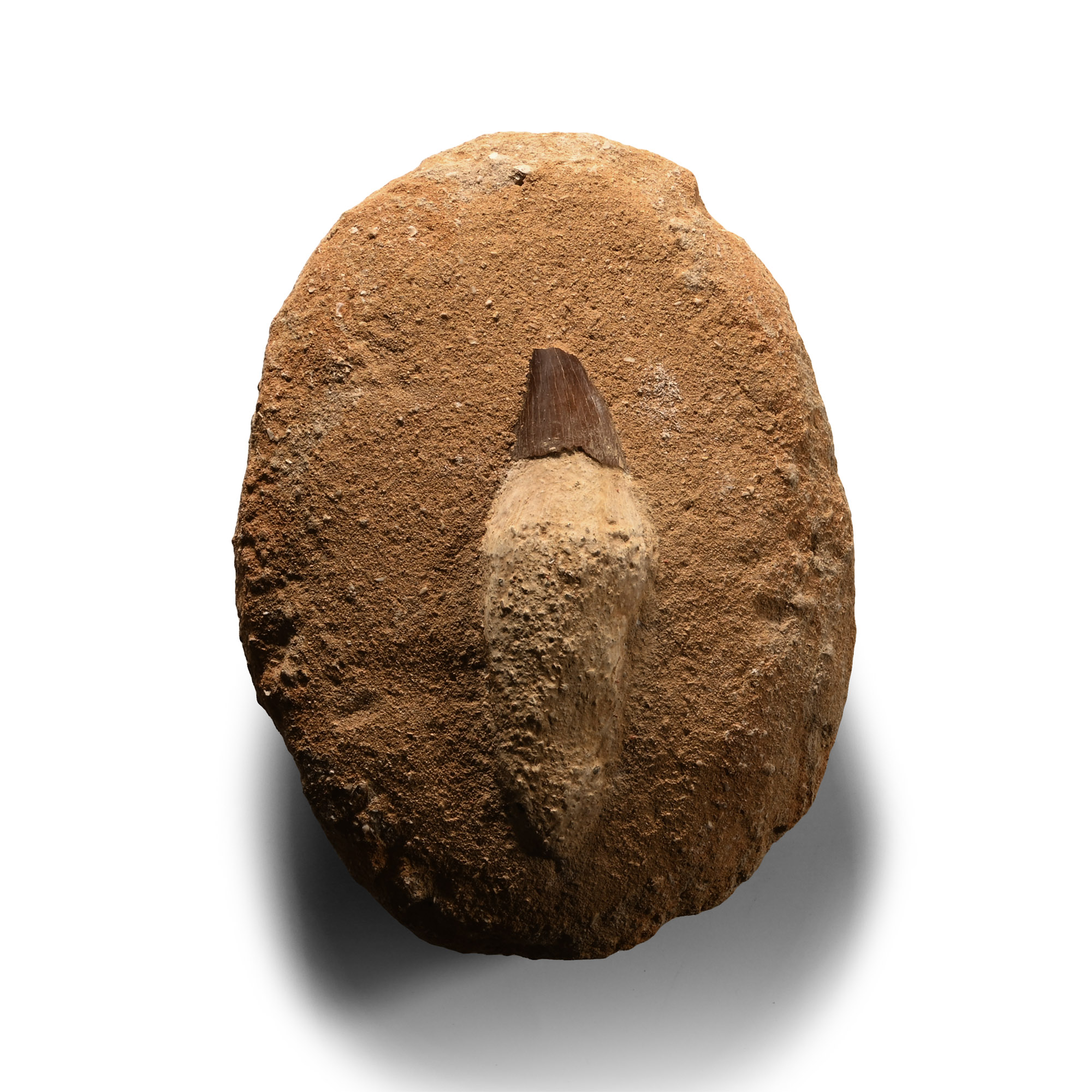
LOT 2832
Natural History - Fossil Mosasaur 'Marine Dinosaur' Tooth on Composite Matrix
CRETACEOUS PERIOD, CIRCA 145-65 MILLION YEARS B.P.
5 3/8 in. (643 grams, 13.8 cm).
Showing the majority of the tooth and some root. [No Reserve]
ProvenanceFrom a Cambridgeshire, UK, collection.
CONDITIONTimeLine Auctions follows a vetting process to ensure the authenticity and legality of all items, reinforcing our commitment to integrity and responsible trading. Each antiquity, antique, and coin lot undergoes thorough examination by a vetting committee of at least ten external specialists, professional trade association members, scientists, and archaeologists: Our Vetting Process
AUCTIONS:
TimeLine is a leading auction house specialising in antiquities, ancient art, collectables, natural history, coins, medals, and books. Our auctions offer museums, collectors, historians, and enthusiasts the opportunity to acquire unique and historically significant pieces.
LOT 2832
Natural History - Fossil Mosasaur 'Marine Dinosaur' Tooth on Composite Matrix
Sold for (Inc. bp): £7
-
![Natural History - Hematoid Quartz Crystal Specimen Group [50]](https://timelineauctions.com/upload/images/items/small/211478-s.jpg)
Natural History - Hematoid Quartz Crystal Specimen Group [50]
Sold for (Inc. bp): £13
Comprising a large quantity of dark double-terminated crystals. 137 grams total, 14-27 mm
Ex Mineral Imports, London, UK. Gregory, Bottley & Lloyd (Gregory's). -
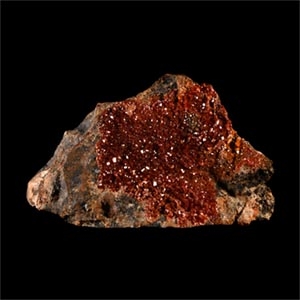
Natural History - Historic 'Gila County, Arizona' Vanadinite Mineral Specimen
Sold for (Inc. bp): £39
A large specimen displaying brownish red, blood-red and greyish colours, collection number 283. 262 grams, 92 mm
Acquired on the UK mineral and fossil market, since 1970. From the historic mineral collection of Richard Valentine Cain, London, UK, thence by descent. Accompanied by an original historic index file card and an old Gemstones Ltd invoice dated 1978. -
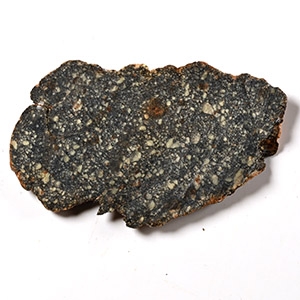
Natural History - Diogenite NWA 4664 Meteorite Slice
Found 2006 A.D.Sold for (Inc. bp): £72
A cut slice of diogenite, an igneous rock rich in the magnesium- and iron-rich silicate orthopyroxene, recorded as: Northwest Africa 4664; displayed in a Swiss membrane box, inked note 'NWA 4664' to one side. 10.2 grams, 53 mm (58.6 grams total, 99 x 75 mm including case)
From Algeria. Ex Mile High Meteorites, U.S.A. From a Leicestershire, UK, collection. Accompanied by an original identification card.
Vesta is the second largest asteroid and the only large one covered with basalt; the fine-grained volcanic rock makes up the dark areas of the Moon and the huge shield volcanoes on Mars. Three groups of achondrites (igneous meteorites) are widely thought to have come from Vesta; these are the HED meteorites: Howardites, Eucrites and Diogenites.
