
Loading, please wait...
LOT 2833
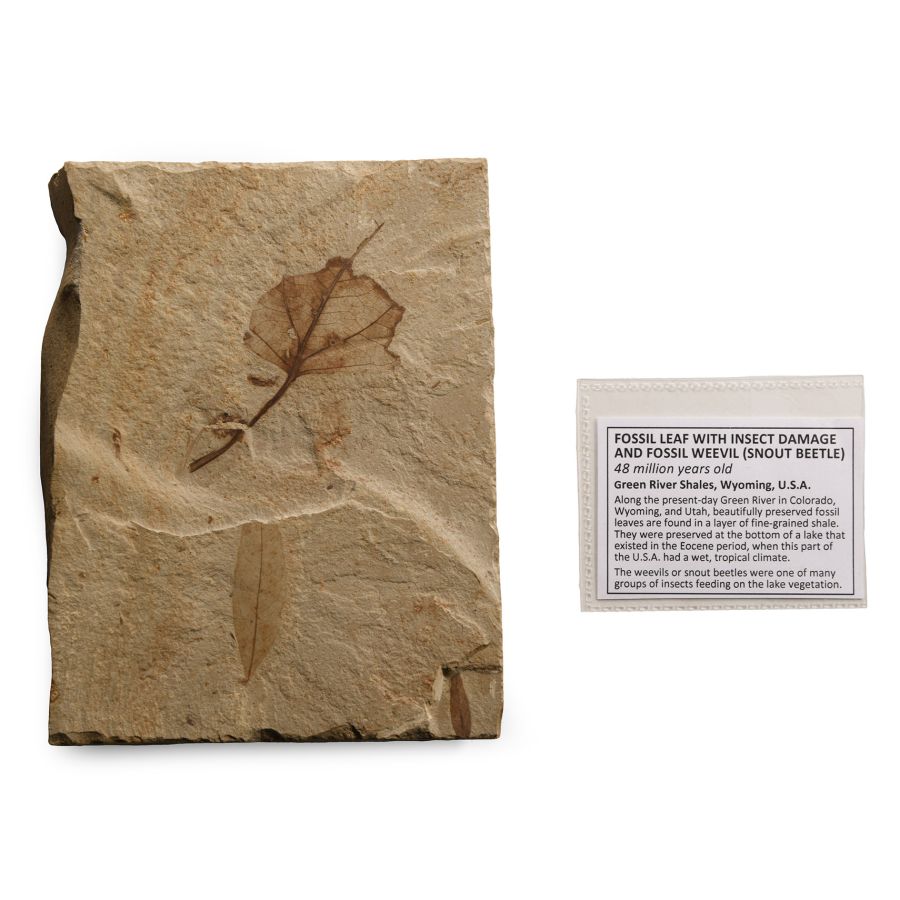
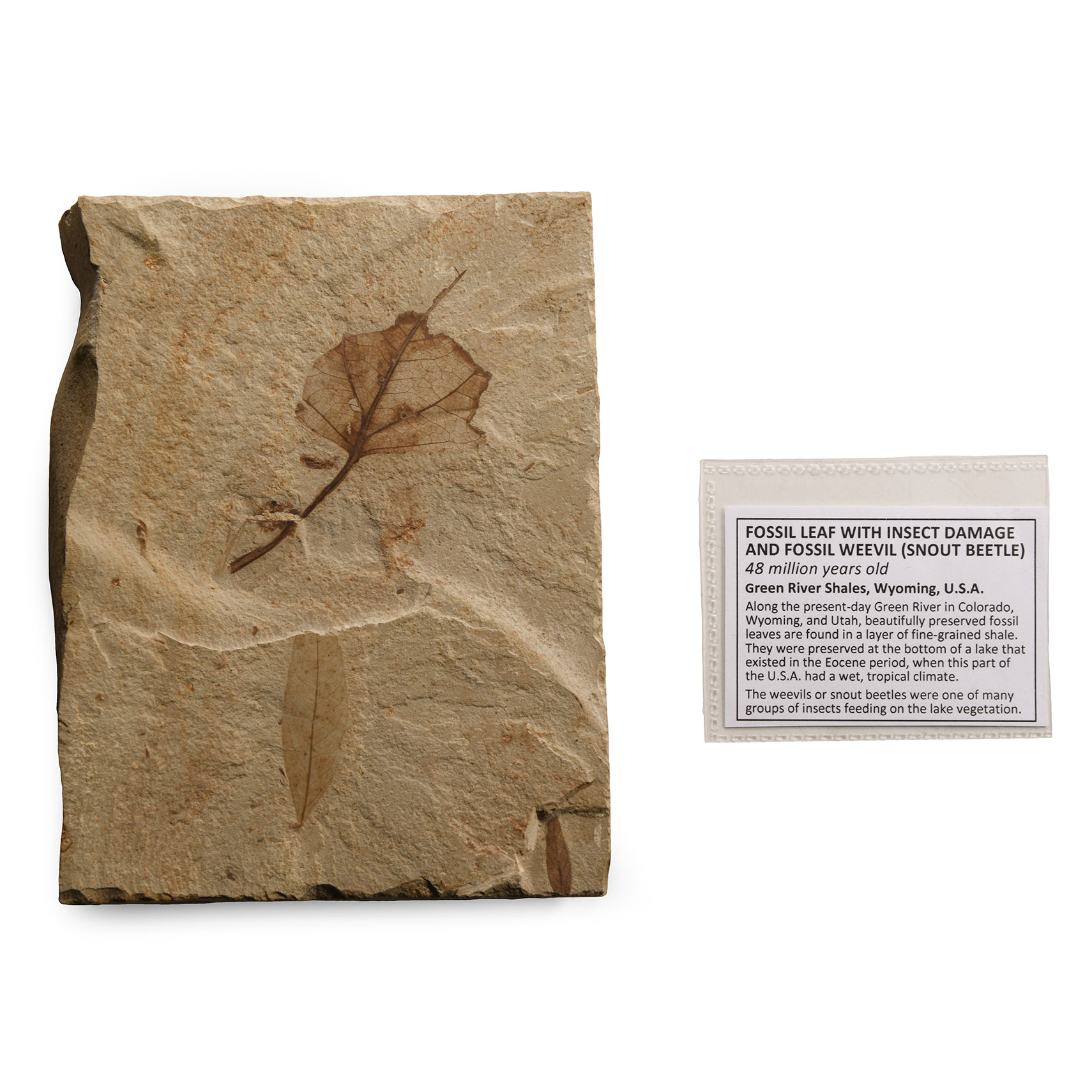
Natural History - Fossil Leaves and Snout Beetle in Matrix
EOCENE PERIOD, CIRCA 48 MILLION YEARS B.P.
5 3/8 in. (702 grams, 13.7 cm).
Rectangular sedimentary block with embedded leaves with evidence for damage by weevils feeding on the lakeside vegetation. [No Reserve]
ProvenanceFrom Green River shales, Wyoming, U.S.A.
From a Leicestershire, UK, collection.
TimeLine Auctions follows a vetting process to ensure the authenticity and legality of all items, reinforcing our commitment to integrity and responsible trading. Each antiquity, antique, and coin lot undergoes thorough examination by a vetting committee of at least ten external specialists, professional trade association members, scientists, and archaeologists: Our Vetting Process
AUCTIONS:
TimeLine is a leading auction house specialising in antiquities, ancient art, collectables, natural history, coins, medals, and books. Our auctions offer museums, collectors, historians, and enthusiasts the opportunity to acquire unique and historically significant pieces.
LOT 2833
Natural History - Fossil Leaves and Snout Beetle in Matrix
Sold for (Inc. bp): £234
-
.jpg)
Natural History - Fossil Bird Bone Group
Pleistocene Age, circa 2 million years B.P.Sold for (Inc. bp): £7
Comprising two hollow wading bird bones. 13 grams total, 77-90 mm
From Rancho La Brea Formation, Maricopa Co., California, USA. Acquired 1950s-1960s. From an old Bristol, UK, palaeontological collection. -
![Natural History - Historic Boxed Diallage Pyroxenite and Phonolite Trachyte Mineral Samples From Ardnamurchan and Traprain Law, Haddington [2]](https://timelineauctions.com/upload/images/items/small/211464-s.jpg)
Natural History - Historic Boxed Diallage Pyroxenite and Phonolite Trachyte Mineral Samples From Ardnamurchan and Traprain Law, Haddington [2]
Sold for (Inc. bp): £13
Both examples in cardboard trays and accompanied by old collection labels identifying them to be collection nos.75 and 35. 1.27 kg total, 10-10.7 cm
From Scotland. Ex Gregory, Bottley & Lloyd (Gregory's). Accompanied two old Gregory, Bottley & Co., Geologists tickets. -
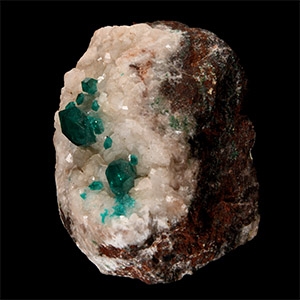
Natural History - Historic 'Tsumeb, South West Africa' Dioptase on Calcite Crystal Specimen
Sold for (Inc. bp): £39
Displaying emerald-green dioptase crystals on a matrix of rhombohedral calcite with some hematite present, collection number 569, with an old Gregory, Bottley & Lloyd label. 76 grams, 50 mm
Acquired on the UK mineral and fossil market, since 1970. From the historic mineral collection of Richard Valentine Cain, London, UK, thence by descent. Accompanied by an original historic index file card.
