
Loading, please wait...
LOT 2466
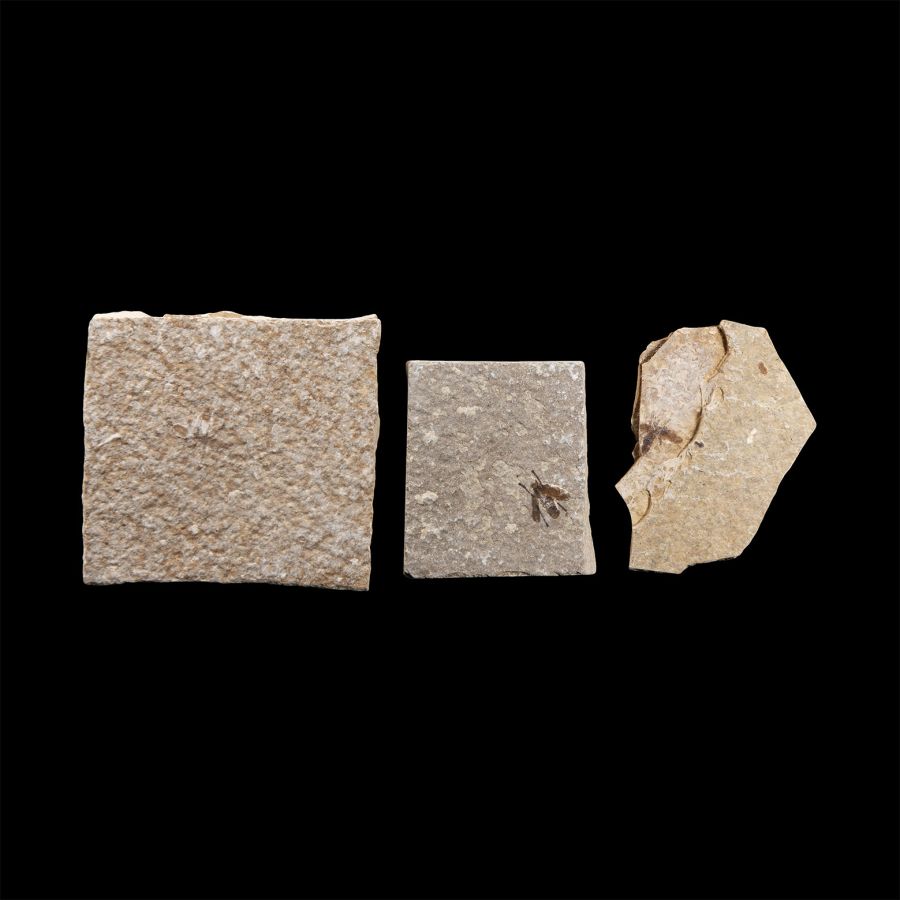
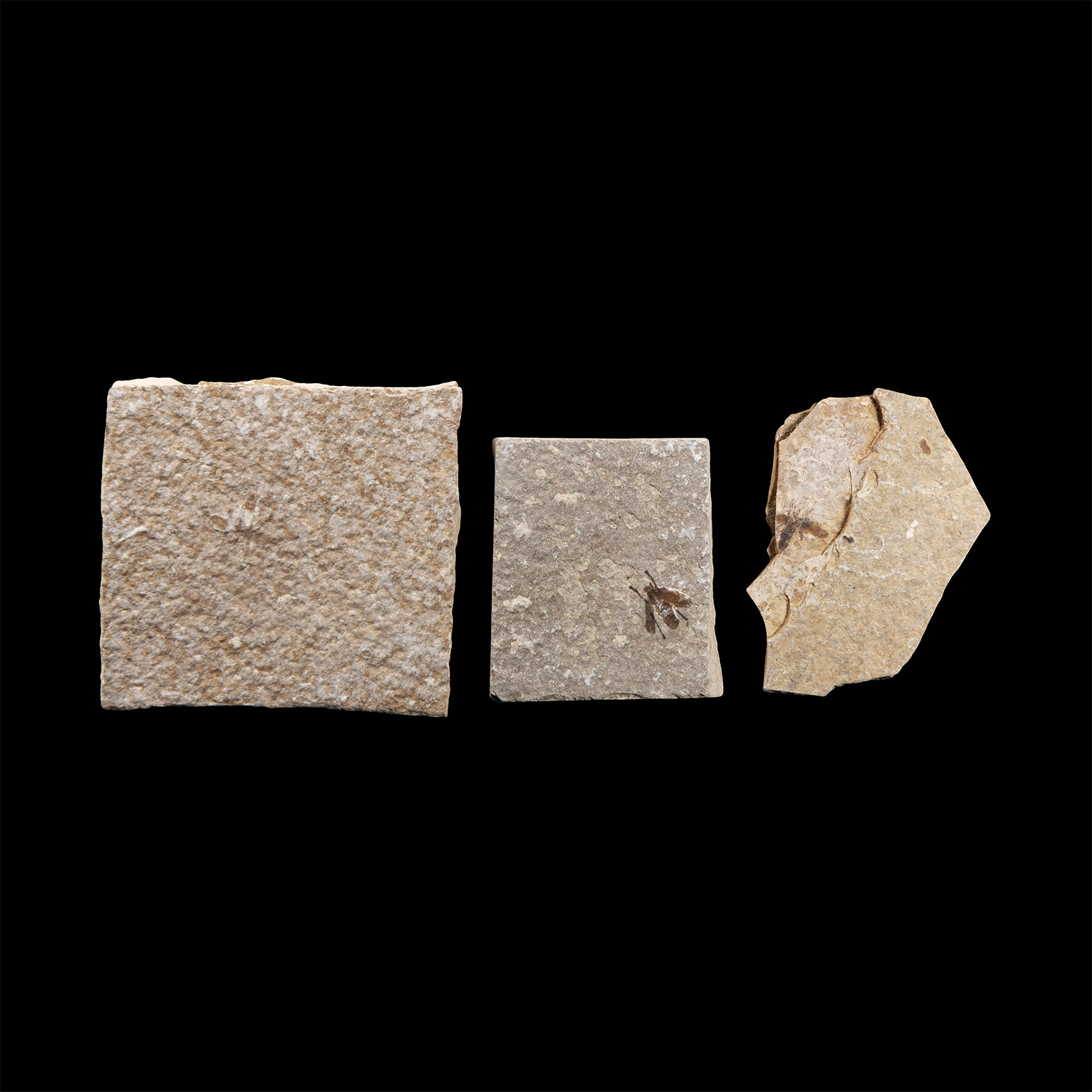
Natural History - Fossil Fly Group
EOCENE PERIOD, 50 MILLION YEARS B.P.
2 - 2 5/8 in. (145 grams total, 51-66 mm).
Comprising three specimens on a matrix. [3, No Reserve]
ProvenanceFrom the Green River Formation, south western Wyoming, U.S.A.
Collected between 1930 and 1960.
From the collection of the palaeontologist R Gledhill.
TimeLine Auctions follows a vetting process to ensure the authenticity and legality of all items, reinforcing our commitment to integrity and responsible trading. Each antiquity, antique, and coin lot undergoes thorough examination by a vetting committee of at least ten external specialists, professional trade association members, scientists, and archaeologists: Our Vetting Process
AUCTIONS:
TimeLine is a leading auction house specialising in antiquities, ancient art, collectables, natural history, coins, medals, and books. Our auctions offer museums, collectors, historians, and enthusiasts the opportunity to acquire unique and historically significant pieces.
-
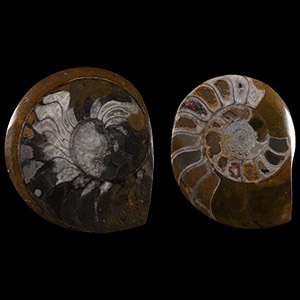
Natural History - Polished Goniatite 'Button' Pair
Devonian Period, 417-354 million years B.P.Sold for (Inc. bp): £13
Each specimen showing the internal gas chambers. 424 grams total, 10.7-11.6 cm
From a Cambridgeshire, UK, collection. -
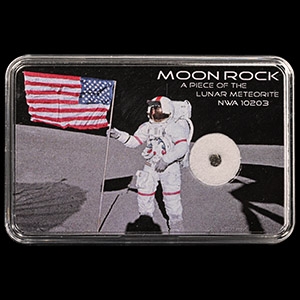
Natural History - NWA 10203 Moon Rock Meteorite
Discovered in 2013 A.D.Sold for (Inc. bp): £52
Classified as a lunar meteorite by the Meteoritical Society and details of its composition can be found on their website. 8.2 grams total, 56 x 36 mm including case
Found North West Africa. Property of a Sussex, UK, teacher. -
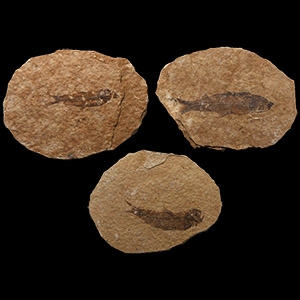
Natural History - Fossil Diplomystus Fish Group
Eocene Period, 58-36 million years B.P.Sold for (Inc. bp): £13
Comprising three specimens on roughly oval matrices. 99 grams total, 78-87 mm
From a Lincolnshire, UK, collection.
