
Loading, please wait...
LOT 2344
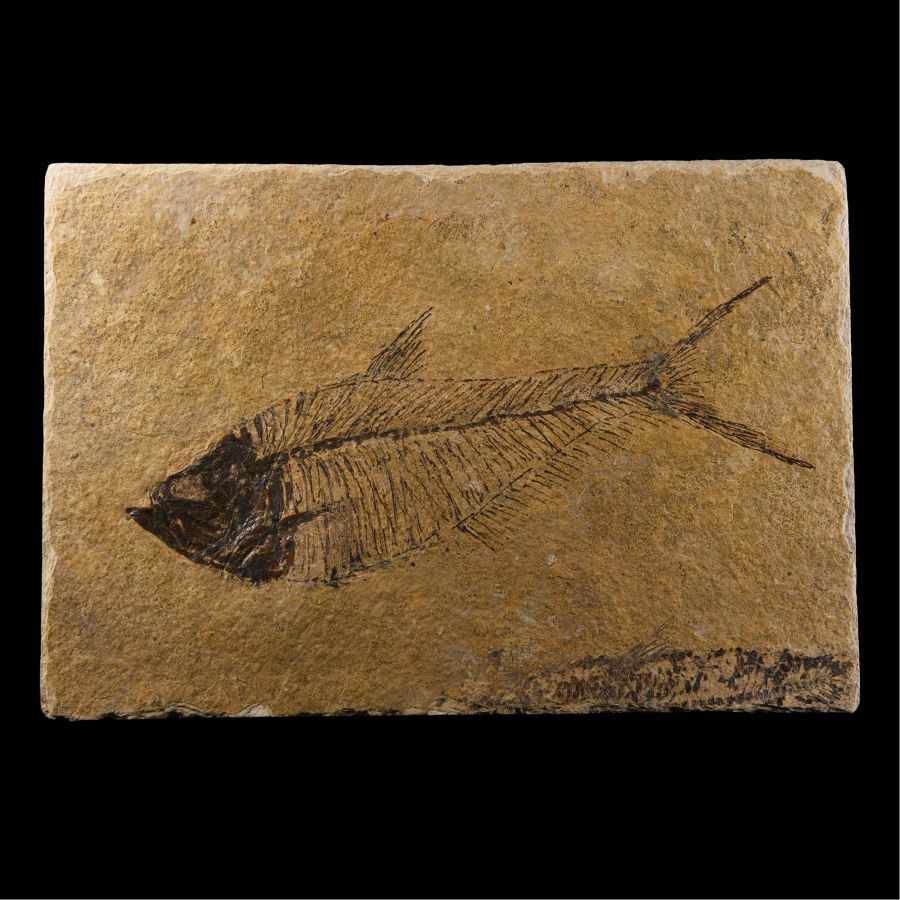
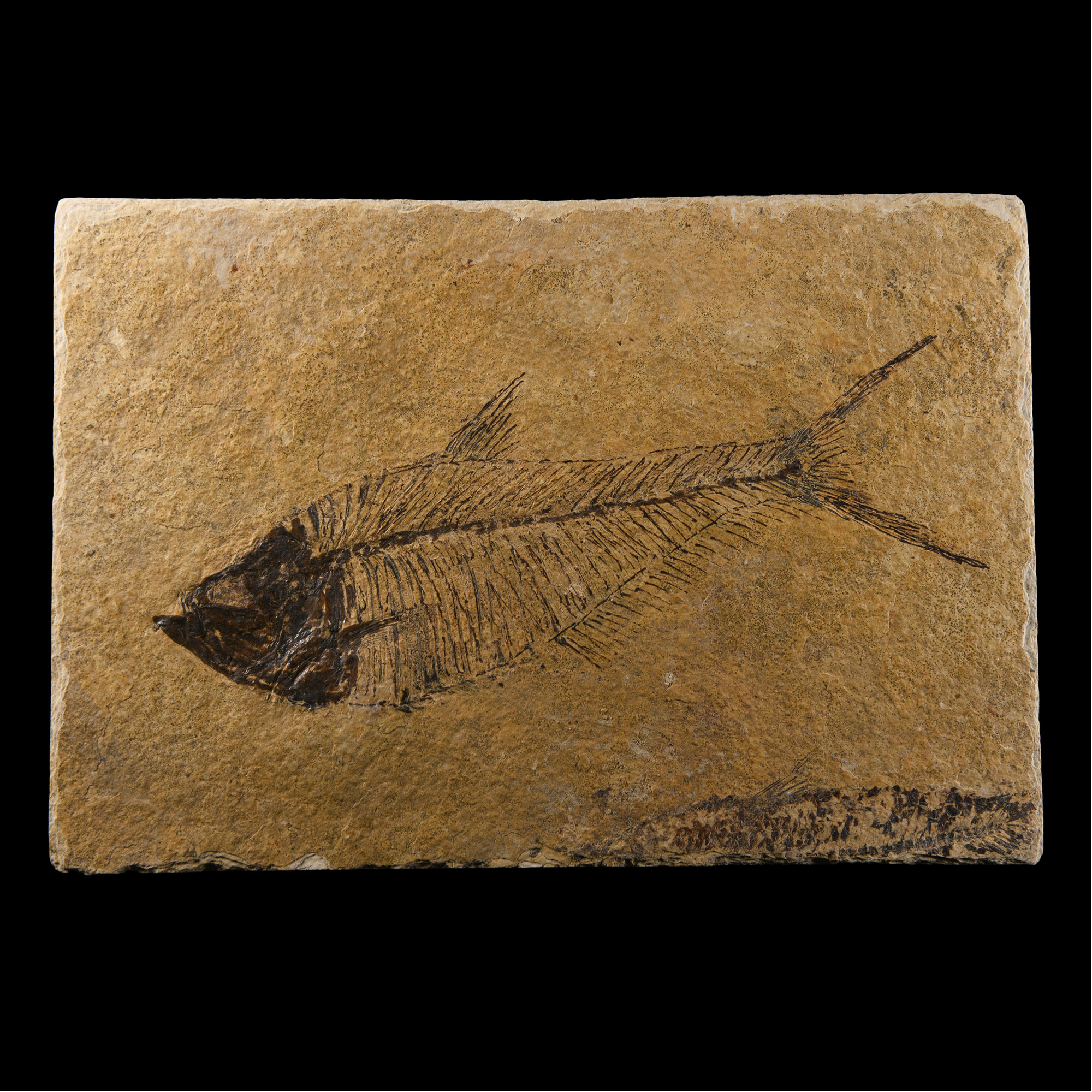
Natural History - Fossil Diplomystus Fish Plate
EOCENE PERIOD, 58-36 MILLION YEARS B.P.
7 7/8 in. (675 grams, 20 cm).
Comprising a head and spine with some enhanced details, a partial fish to the lower edge. [No Reserve]
ProvenanceFrom a Lincolnshire, UK, collection.
CONDITIONTimeLine Auctions follows a vetting process to ensure the authenticity and legality of all items, reinforcing our commitment to integrity and responsible trading. Each antiquity, antique, and coin lot undergoes thorough examination by a vetting committee of at least ten external specialists, professional trade association members, scientists, and archaeologists: Our Vetting Process
AUCTIONS:
TimeLine is a leading auction house specialising in antiquities, ancient art, collectables, natural history, coins, medals, and books. Our auctions offer museums, collectors, historians, and enthusiasts the opportunity to acquire unique and historically significant pieces.
-
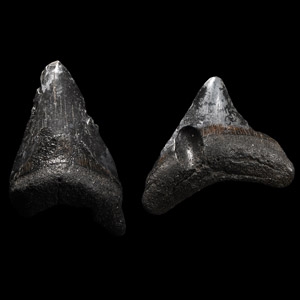
Natural History - Juvenile Megalodon Giant Shark Fossil Tooth Pair
Miocene-Pliocene Period, 23-3.5 million years B.P.Sold for (Inc. bp): £33
Displaying some serrations and good enamel, from the Carcharocles megalodon shark. 73.2 grams total, 61-69 mm
From Florida, U.S.A. Collected between 1930 and 1960. From the collection of the palaeontologist R Gledhill. -
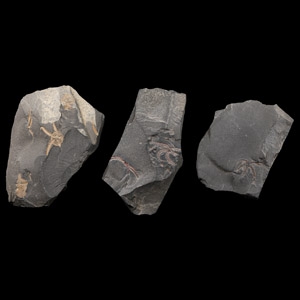
Natural History - Fossil Brittle Star Group
Ordovician Period, 485-444 million years B.P.Sold for (Inc. bp): £7
Comprising three Ophiuroidea sp. on a matrix. 500 grams total, 8.9-11 cm
From El Kaid Errami, Tafilalt, Morocco, North Africa. From an old German collection. -
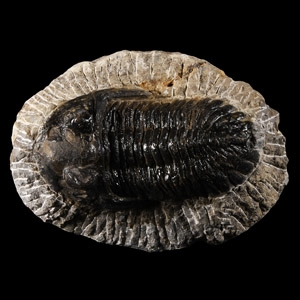
Natural History - Fossil Barrandei Trilobite
Devonian Period, 417-354 million years B.P.Sold for (Inc. bp): £33
Metacanthina barrandei on a matrix. 289 grams, 94 mm
From the Atlas Mountains, Hamar Laghdad Formation, Pragian, Alnif, Morocco, North Africa. From an old Oxfordshire, UK, fossil and mineral collection.
