
Loading, please wait...
LOT 2662
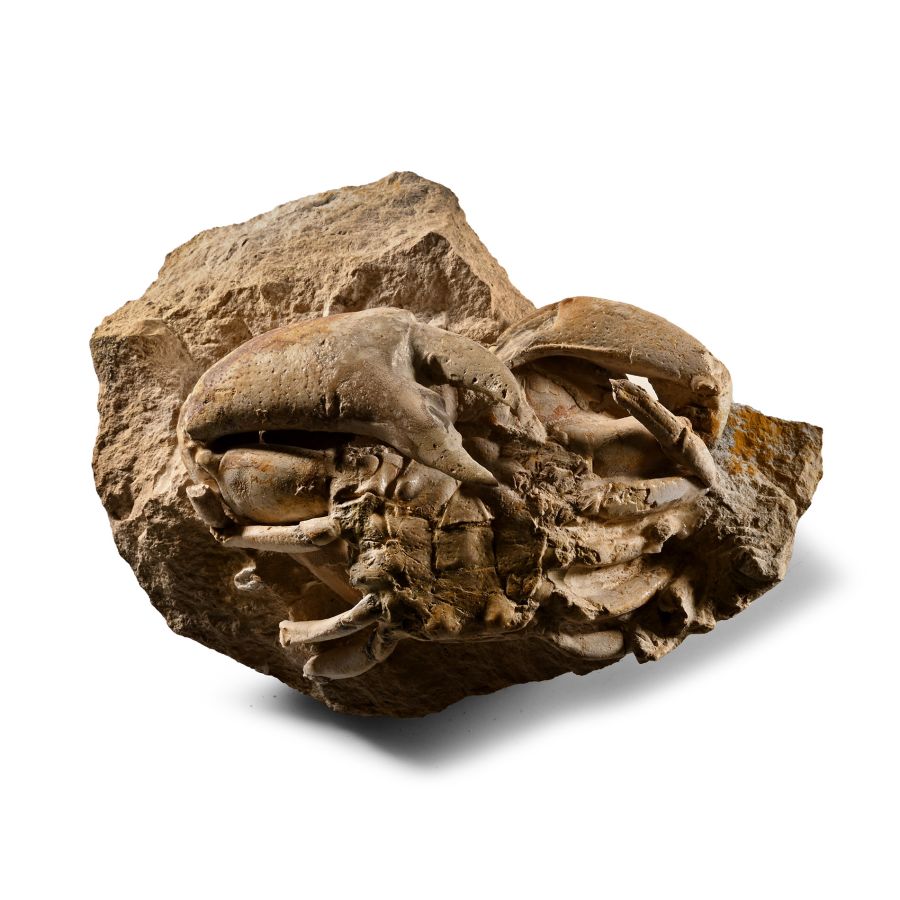
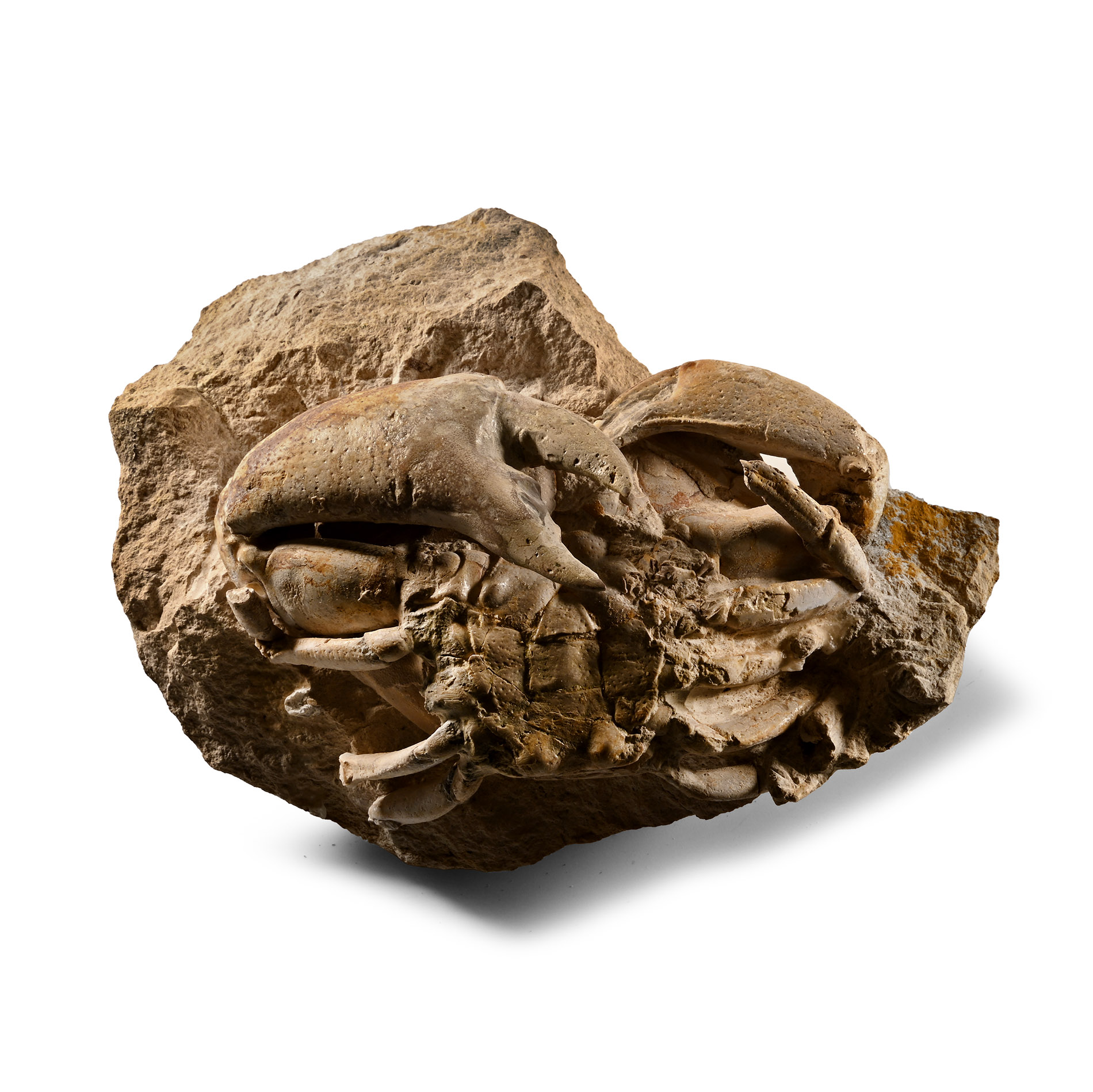
Natural History - Fossil Crab on Matrix
EOCENE PERIOD, 56-33 MILLION YEARS B.P.
6 1/4 in. (937 grams, 16 cm).
Showing the underside of the carapace and both claws; repaired.
ProvenanceFrom a Lincolnshire, UK, collection.
CONDITIONTimeLine Auctions follows a vetting process to ensure the authenticity and legality of all items, reinforcing our commitment to integrity and responsible trading. Each antiquity, antique, and coin lot undergoes thorough examination by a vetting committee of at least ten external specialists, professional trade association members, scientists, and archaeologists: Our Vetting Process
AUCTIONS:
TimeLine is a leading auction house specialising in antiquities, ancient art, collectables, natural history, coins, medals, and books. Our auctions offer museums, collectors, historians, and enthusiasts the opportunity to acquire unique and historically significant pieces.
-
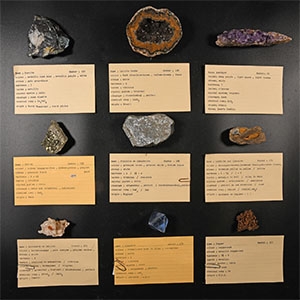
Natural History - Historic Collection of Mineral Specimens
Sold for (Inc. bp): £59
Comprising: goethite and limonite from Scotland or England, collection number 479; pyrite from Peru, collection number 233; octahedral blue fluorite crystal from Illinois, USA, collection number 475, with an old Gregory, Bottley & Lloyd label; calcite geode half from Brazil, collection number 108; bornite from North Transvaal, South Africa, collection number 192; amethyst from Brazil, collection number 26; fluorite on sphalerite from England, collection number 186; native copper specimen from USA, collection number 153, with an old Gemset of Broadstairs Ltd. label; wolfenite of calcite from Mexico, collection number 485, with an old Gregory, Bottley & Lloyd label. 892 grams total, 3.9-11.6 cm
Acquired on the UK mineral and fossil market, since 1970. From the historic mineral collection of Richard Valentine Cain, London, UK, thence by descent. Each specimen accompanied by an original historic index file card. -
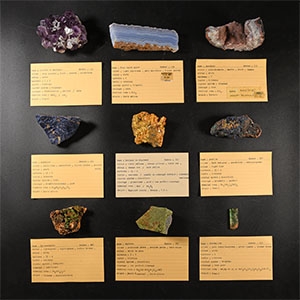
Natural History - Historic Mineral Specimen Collection
Sold for (Inc. bp): £65
Comprising: a cut and polished section of blue laced agate from South Africa, collection number 239; green epidote from South Transvaal, South Africa, collection number 221; calcite on amethyst from Brazil, collection number 132; pyromorphite from Pribram, Czechoslovakia, collection number 445; azurite from Brazil, collection number 337; an amethyst geode section from Morocco, collection number 297; green tourmaline from Brazil, collection number 145; realgar on orpiment from Humboldt County, Nevada, USA, collection number 217; sodalite from South Africa, collection number 252. 1.34 kg total, 3.7-12.5 cm
Acquired on the UK mineral and fossil market, since 1970. From the historic mineral collection of Richard Valentine Cain, London, UK, thence by descent. Each specimen accompanied by an original historic index file card. -
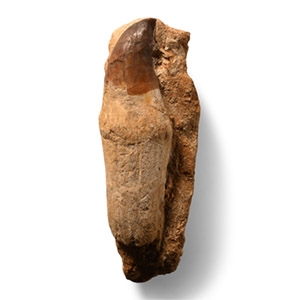
Natural History - Fossil Mosasaur 'Marine Dinosaur' Tooth on Matrix
Cretaceous Period, circa 145-65 million years B.P.Sold for (Inc. bp): £39
Showing the tooth and a good portion of the root. 306 grams, 13.7 cm
From a Cambridgeshire, UK, collection.
