
Loading, please wait...
LOT 2391
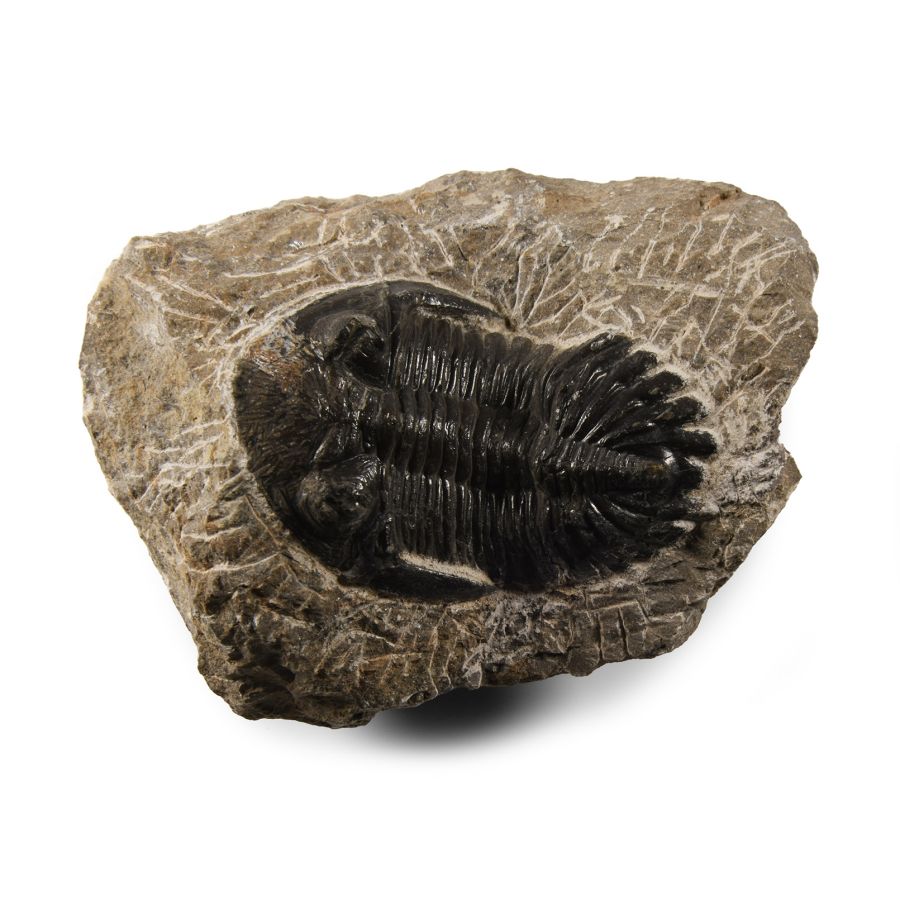
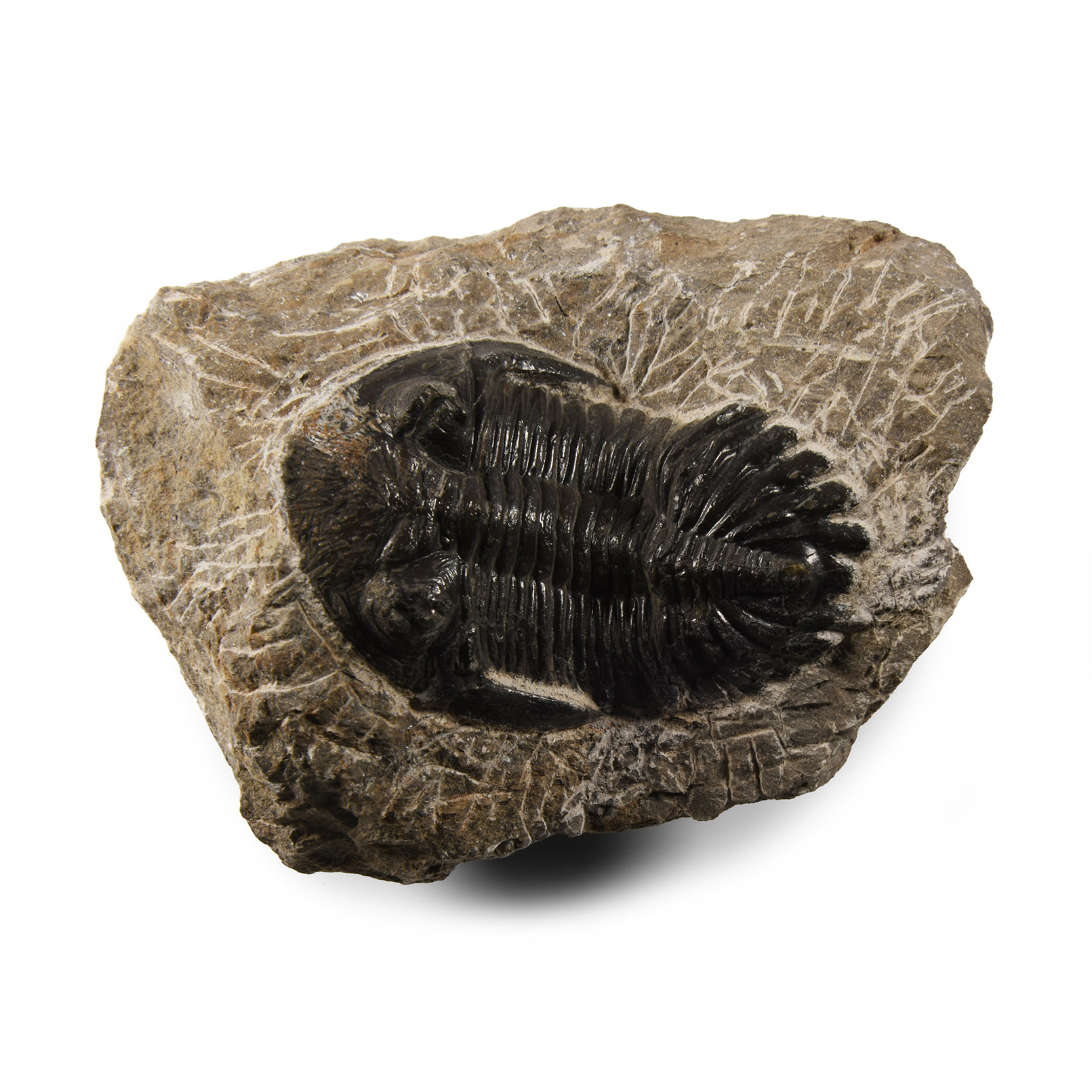
Natural History - Fossil Cornuproetus Trilobite
DEVONIAN PERIOD, 416-359 MILLION YEARS B.P.
4 in. (372 grams, 10 cm).
Cornuproetus sp. displaying distinctive swept-back genal spines. [No Reserve]
ProvenanceFrom a Cambridgeshire, UK, collection.
Property of a Cambridgeshire, UK, gentleman.
TimeLine Auctions follows a vetting process to ensure the authenticity and legality of all items, reinforcing our commitment to integrity and responsible trading. Each antiquity, antique, and coin lot undergoes thorough examination by a vetting committee of at least ten external specialists, professional trade association members, scientists, and archaeologists: Our Vetting Process
AUCTIONS:
TimeLine is a leading auction house specialising in antiquities, ancient art, collectables, natural history, coins, medals, and books. Our auctions offer museums, collectors, historians, and enthusiasts the opportunity to acquire unique and historically significant pieces.
-

Natural History - Fossil Megalodon Giant Shark Tooth
Pliocene Period, circa 5.2-2.5 million years B.P.Sold for (Inc. bp): £143
A Carcharocles megalodon tooth displaying good polished enamel. 123 grams, 97 mm
From a Lincolnshire, UK, collection. Property of a Cambridgeshire, UK, gentleman.
Carcharocles megalodon is regarded as one of the largest and most powerful marine predators in vertebrate history and likely had a profound impact on structuring of the marine communities. Fossil remains indicate that this giant shark reached a length of more than 16 metres (52 ft) and also affirm that it had a cosmopolitan distribution. Scientists suggest that in life it looked like a stockier version of the great white shark, Carcharodon carcharias. -
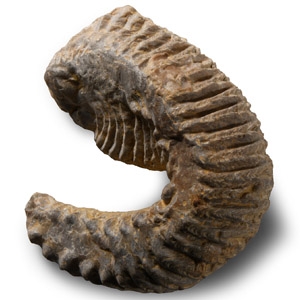
Natural History - Fossil Rastellum Bivalve
Jurassic Period, circa 155 million years B.P.Sold for (Inc. bp): £7
A Rastellum carinatum fossil bivalve. 121 grams, 66 mm
From a Cambridgeshire, UK, collection. Property of a Cambridgeshire, UK, gentleman.
Rastellum carinatum specimens have wide, angled ribs that have led to it being called the 'denture clam'; the zig-zag join between the two shells stopped coarse dirt and debris entering the shell and damaging its soft body. Like modern oysters, it lived in shallow coastal waters including the interstitial zone and fed on food particles that it filtered out of the sea water. -
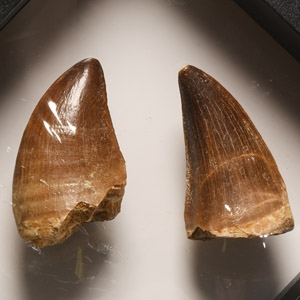
Natural History - Fossil Mosasaur Tooth Display
Cretaceous Period, circa 145-65 million years B.P.Sold for (Inc. bp): £13
Comprising two Mosasaur prognathodon teeth; supplied in a custom display frame. 20.8 grams total, 35-36 mm (57 grams total, 13 cm high including case)
From a Cambridgeshire, UK, collection. Property of a Cambridgeshire, UK, gentleman.
