
Loading, please wait...
LOT 2520
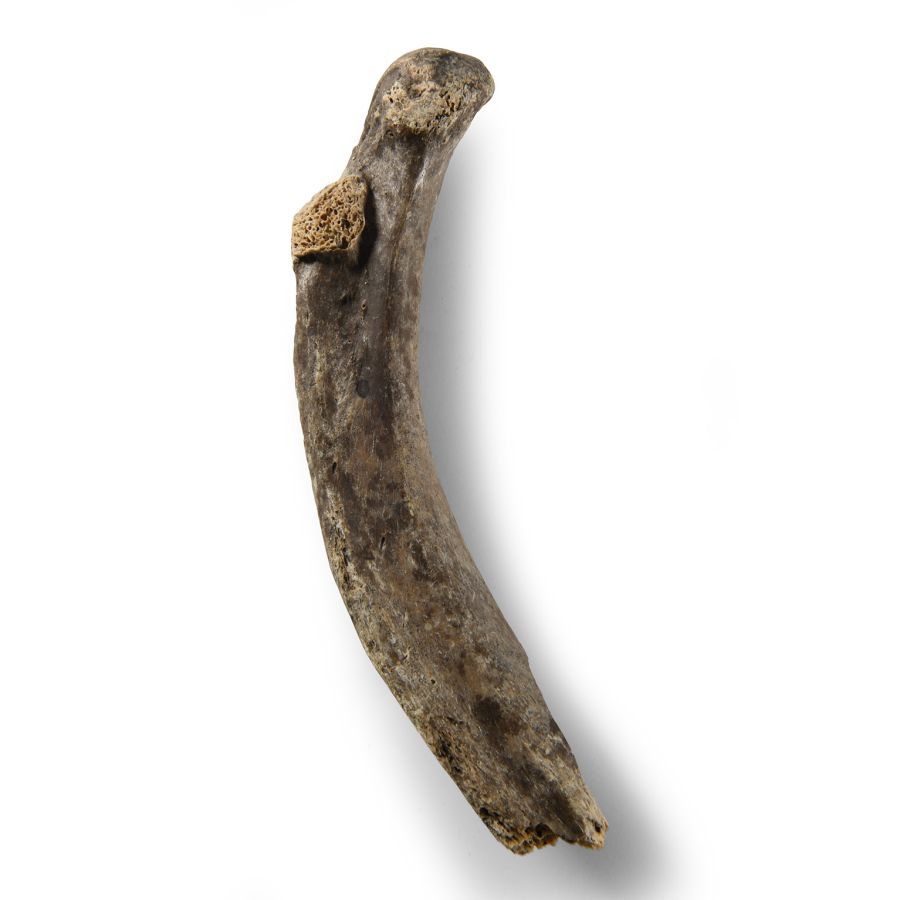
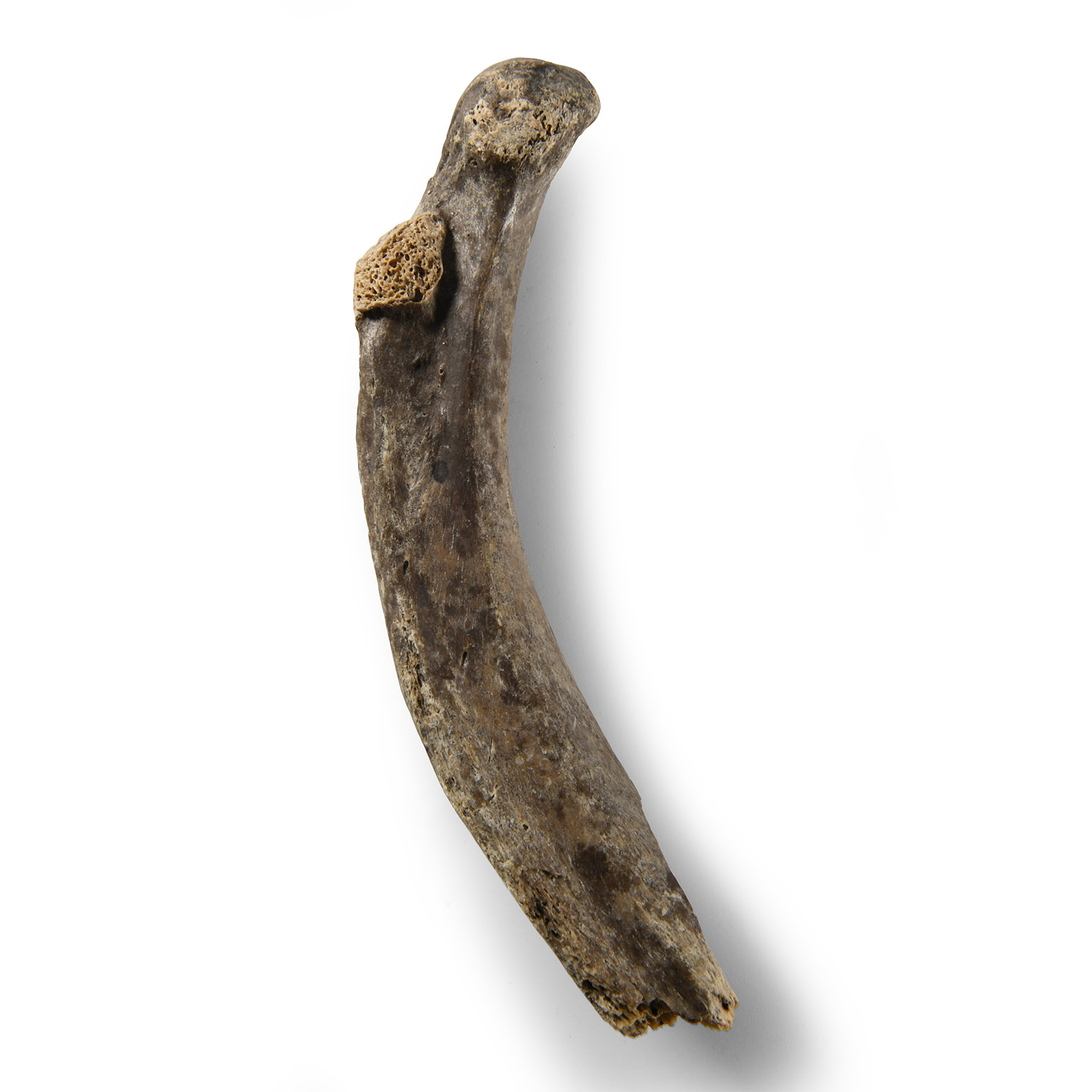
Natural History - Fossil Cave Bear Rib Bone
PLEISTOCENE PERIOD, 2.6 MILLION-11,700 YEARS B.P.
5 3/8 in. (55 grams, 13.8 cm).
A section of rib from the cave bear Ursus spelaeus. [No Reserve]
ProvenanceFrom Romania.
Acquired during 1980s.
From an old Bristol collection.
Ursus spelaeus became extinct at the beginning of the last glacial maximum, roughly 27,500 years ago.
CONDITIONTimeLine Auctions follows a vetting process to ensure the authenticity and legality of all items, reinforcing our commitment to integrity and responsible trading. Each antiquity, antique, and coin lot undergoes thorough examination by a vetting committee of at least ten external specialists, professional trade association members, scientists, and archaeologists: Our Vetting Process
AUCTIONS:
TimeLine is a leading auction house specialising in antiquities, ancient art, collectables, natural history, coins, medals, and books. Our auctions offer museums, collectors, historians, and enthusiasts the opportunity to acquire unique and historically significant pieces.
-
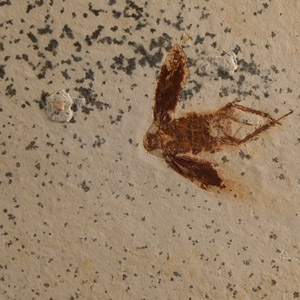
Natural History - Fossil Moss Bug Insect
Lower Cretaceous Period, circa 108-92 million years B.P.Sold for (Inc. bp): £26
Peloridiidae on a circular matrix. 90 grams, 10.6 cm
From the Crato Formation of the late Aptian-Cenomanian period, Nova Olinda Member, Ceara, Brazil. Acquired during 1990s. From an old Lincoln, UK, collection. -
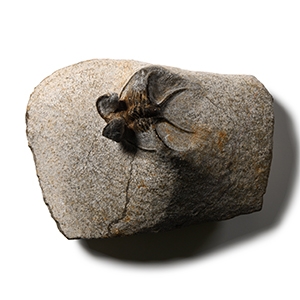
Natural History - Fossil Dicranurus Monstrosus Trilobite
Devonian Period, circa 417-354 million years B.P.Sold for (Inc. bp): £65
On a matrix, showing the pair of horn-like spines behind the glabellum, specific for Dicranurus monstrosus odontopleurid trilobites. 171 grams, 81 mm
From Morocco, North Africa. From a Lincolnshire, UK, collection. -
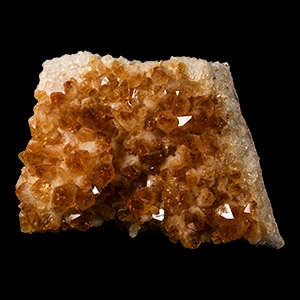
Natural History - Large Citrine Crystal Geode Display Section
Sold for (Inc. bp): £104
Cut to a rough square-shape with well-formed orange crystals. 1.02 kg, 14.3 cm
From Brazil. Ex Mineral Imports, London, UK. Gregory, Bottley & Lloyd (Gregory's).
