
Loading, please wait...
LOT 2405
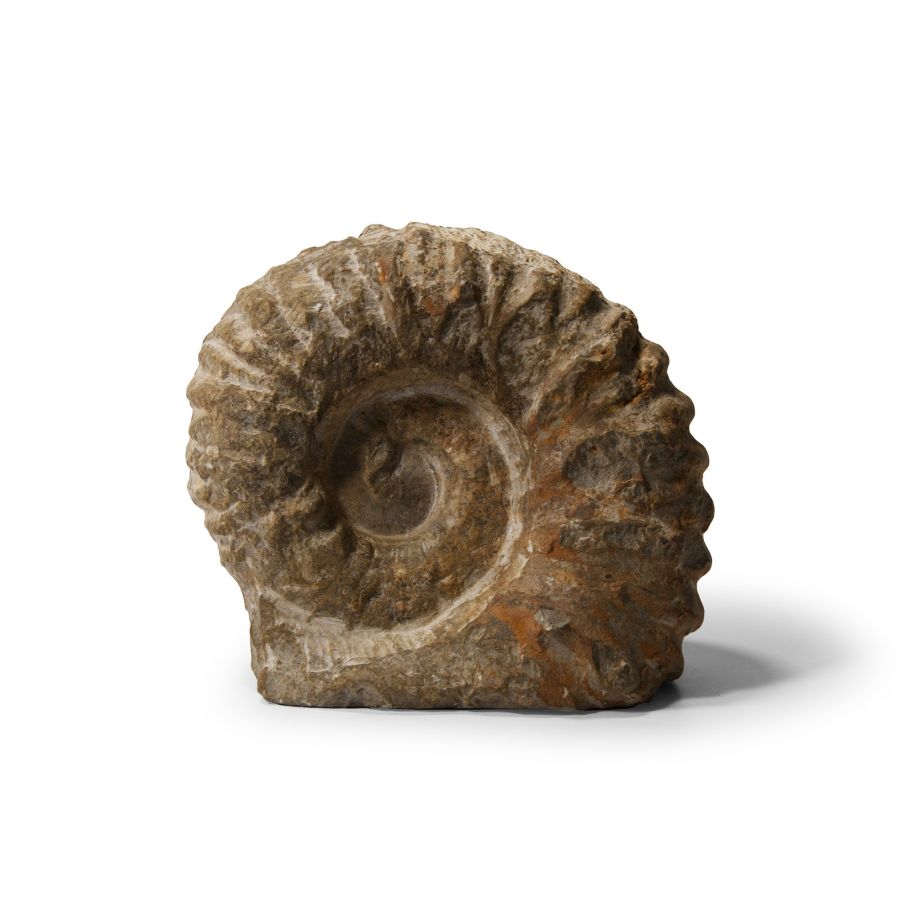
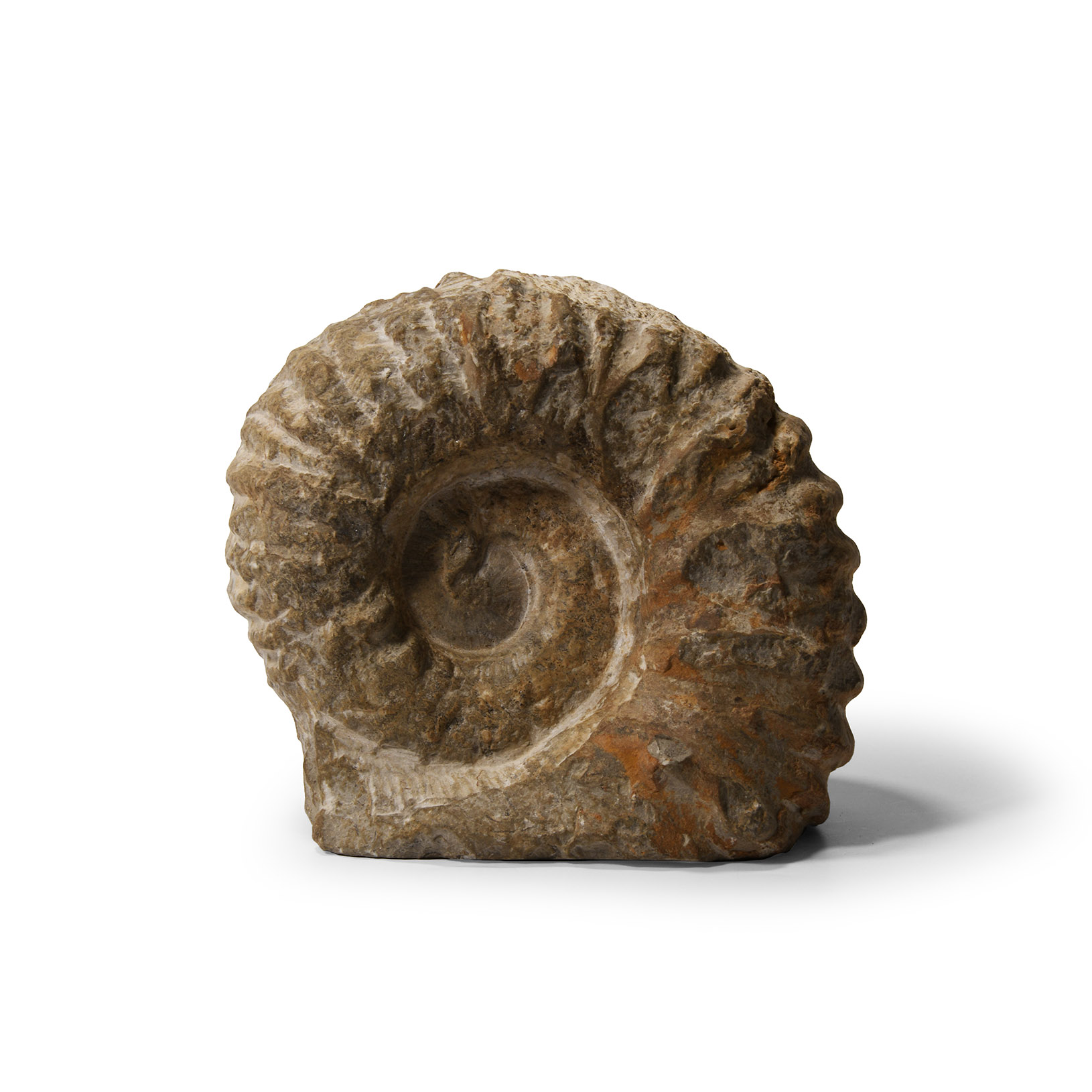
Natural History - Fossil Agadir Ammonite
CRETACEOUS PERIOD, 145-66 MILLION YEARS B.P.
4 3/4 in. (1.3 kg ,12 cm).
Freestanding with one cut edge. [No Reserve]
ProvenanceFrom Agadir, Morocco.
From a Cambridgeshire, UK, collection.
TimeLine Auctions follows a vetting process to ensure the authenticity and legality of all items, reinforcing our commitment to integrity and responsible trading. Each antiquity, antique, and coin lot undergoes thorough examination by a vetting committee of at least ten external specialists, professional trade association members, scientists, and archaeologists: Our Vetting Process
AUCTIONS:
TimeLine is a leading auction house specialising in antiquities, ancient art, collectables, natural history, coins, medals, and books. Our auctions offer museums, collectors, historians, and enthusiasts the opportunity to acquire unique and historically significant pieces.
-

Natural History - NWA 15016 Mars Rock Meteorite
Discovered in 2022 A.D.Sold for (Inc. bp): £52
Classified as a Martian meteorite by the Meteoritical Society and details of its composition can be found on their website. 10.1 grams total, 58 x 38 mm including case
Found North West Africa. Property of a Sussex, UK, teacher. -
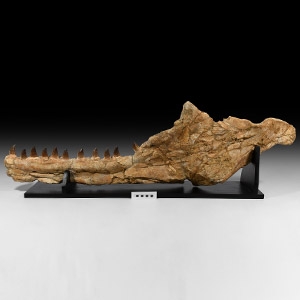
Natural History - Large Mosasaur Fossil Jaw on Stand
Cretaceous Period, 145-65 million years B.P.Sold for (Inc. bp): £1,430
Displaying eleven teeth, each with good remains of enamelling and some serration; mounted on a custom-made display stand. 15.5 kg total, 1.28 m wide including stand
From a Cambridgeshire, UK, collection. This lot has been checked against the Interpol Database of stolen works of art and is accompanied by search certificate number no.11723-197546. -
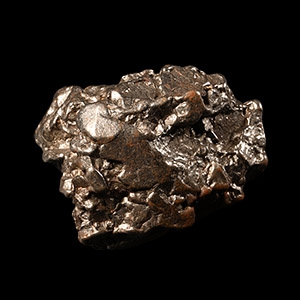
Natural History - Argentinian Campo del Cielo Meteorite
Fell 6000-5000 years B.P.Sold for (Inc. bp): £78
With irregular surfaces, classified as a nickel iron (IAB) meteorite, composition 92.9% iron, 6.7% nickel. 94 grams, 42 mm
Discovered 1576 A.D., Chaco Province, Argentina. From a Lincolnshire, UK, collection.
