
Loading, please wait...
LOT 2364
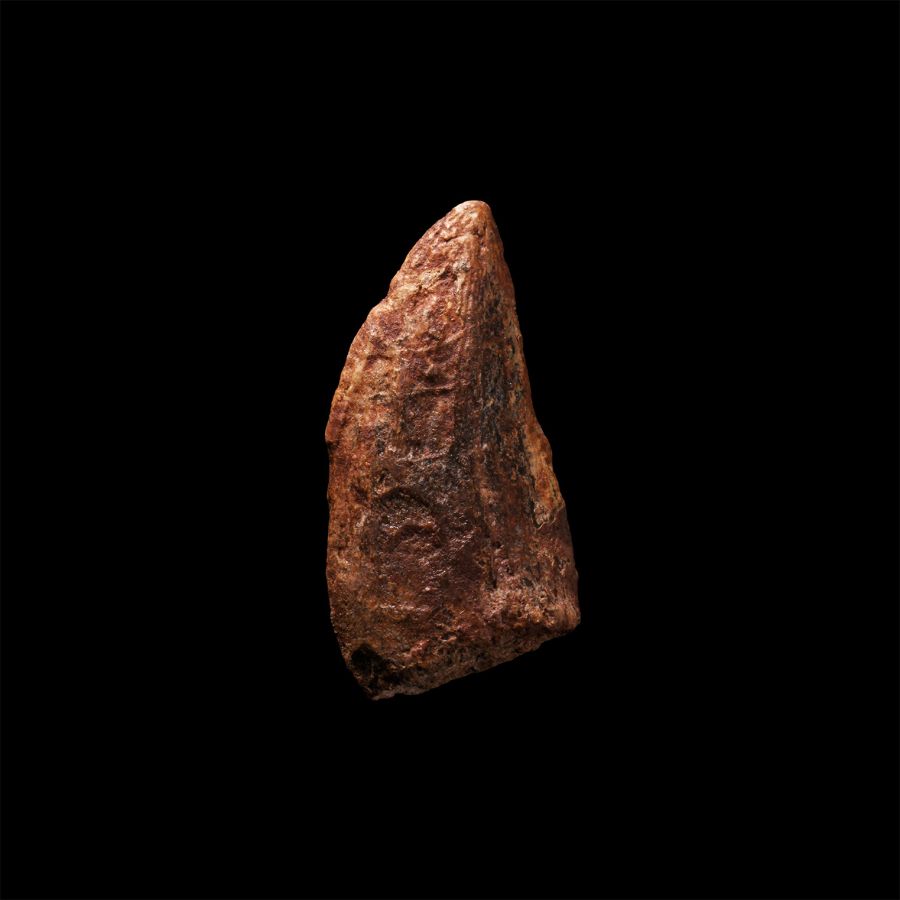
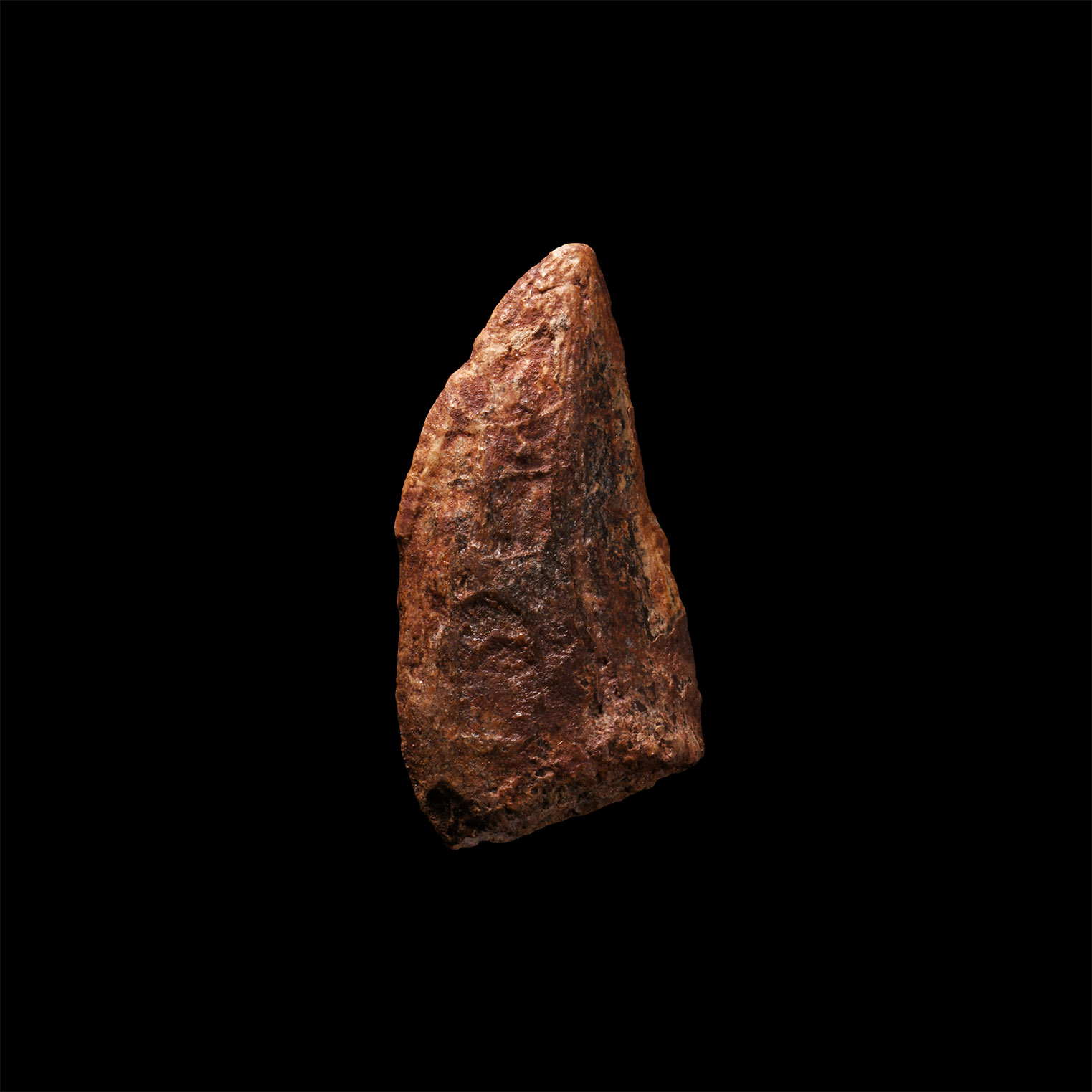
Natural History - Fossil African 'T-Rex' Dinosaur Tooth
CRETACEOUS PERIOD, 145-93 MILLION YEARS B.P.
2 in. (19.9 grams, 49 mm).
Displaying remains of enamel and serrations, from the Carcharodontosaurus saharicus (African T-rex). [No Reserve]
ProvenanceFrom the Tegana formation of the Sahara Desert, Morocco, North Africa.
Acquired during the 1980s.
From an old Lincolnshire, UK, collection.
The Carcharodontosaurus saharicus was one of the largest predators of all time (larger than its distant North American T-Rex cousin) and is related to Allosaurus and the South American Giganotosaurus.
CONDITIONTimeLine Auctions follows a vetting process to ensure the authenticity and legality of all items, reinforcing our commitment to integrity and responsible trading. Each antiquity, antique, and coin lot undergoes thorough examination by a vetting committee of at least ten external specialists, professional trade association members, scientists, and archaeologists: Our Vetting Process
AUCTIONS:
TimeLine is a leading auction house specialising in antiquities, ancient art, collectables, natural history, coins, medals, and books. Our auctions offer museums, collectors, historians, and enthusiasts the opportunity to acquire unique and historically significant pieces.
-
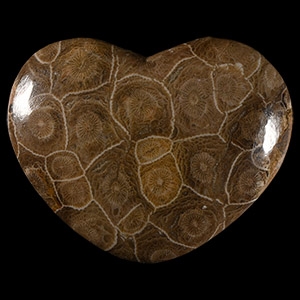
Natural History - Polished Heart-Shaped Fossil Coral Display
Devonian Period, 417-354 million years B.P.Sold for (Inc. bp): £33
Bifacial palm stone, polished to show to structure of the fossilised coral. 106 grams, 68 mm
From a Cambridgeshire, UK, collection. -
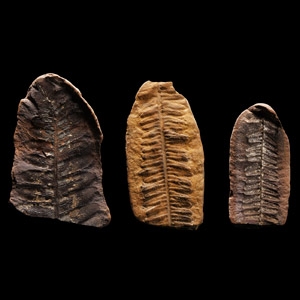
Natural History - Fossil Seed Fern Group
Middle Pennsylvanian Period, 300 million years B.P.Sold for (Inc. bp): £33
Comprising three Pecopteris sp. specimens. 260 grams total, 71-82 mm
From the Mazon Creek Fossil Beds, Braidwood, Illinois, U.S.A. Collected between 1930 and 1960. From the collection of the palaeontologist R Gledhill. -
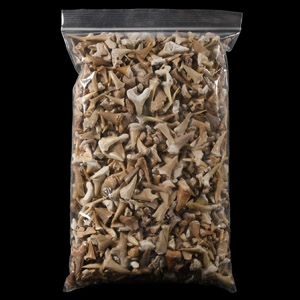
Natural History - Extinct Fossil Shark and Other Tooth Collection
Cretaceous-Eocene Period, 70-50 million years B.P.Sold for (Inc. bp): £55
Comprising specimens of different sizes, including examples retaining some or most of the root, enamel and/or serration. 940 grams total, 1-31 mm
Acquired 1990s-early 2000s. East Anglian private collection.
