
Loading, please wait...
LOT 2397
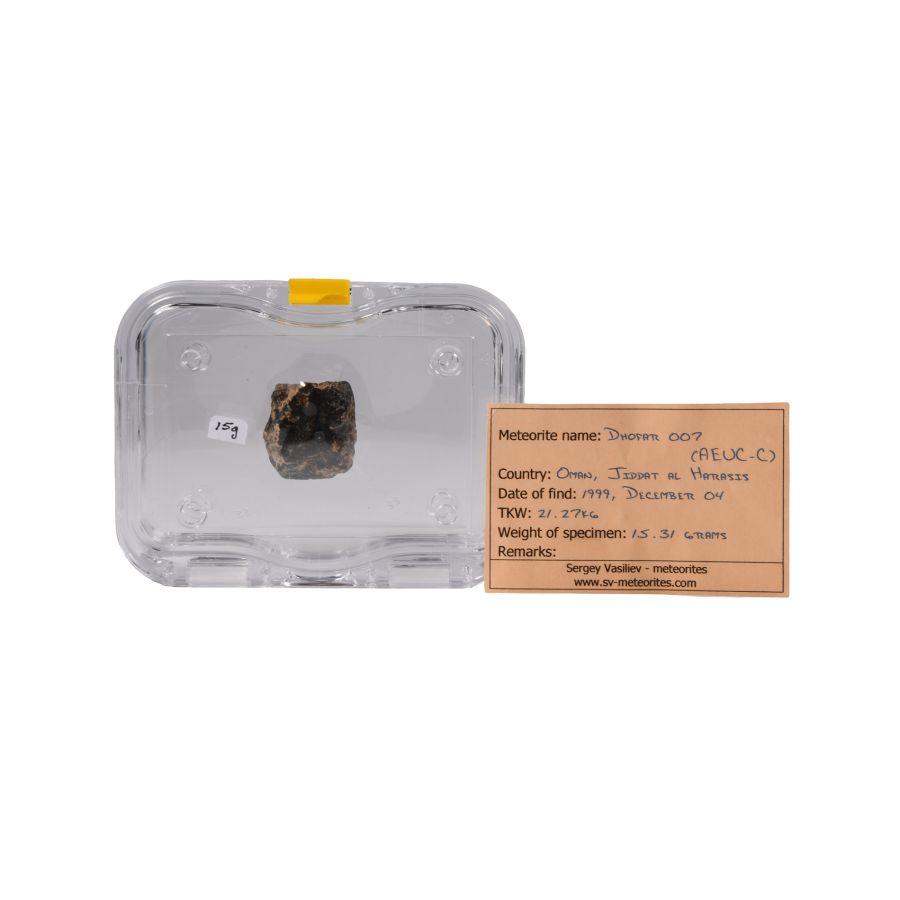
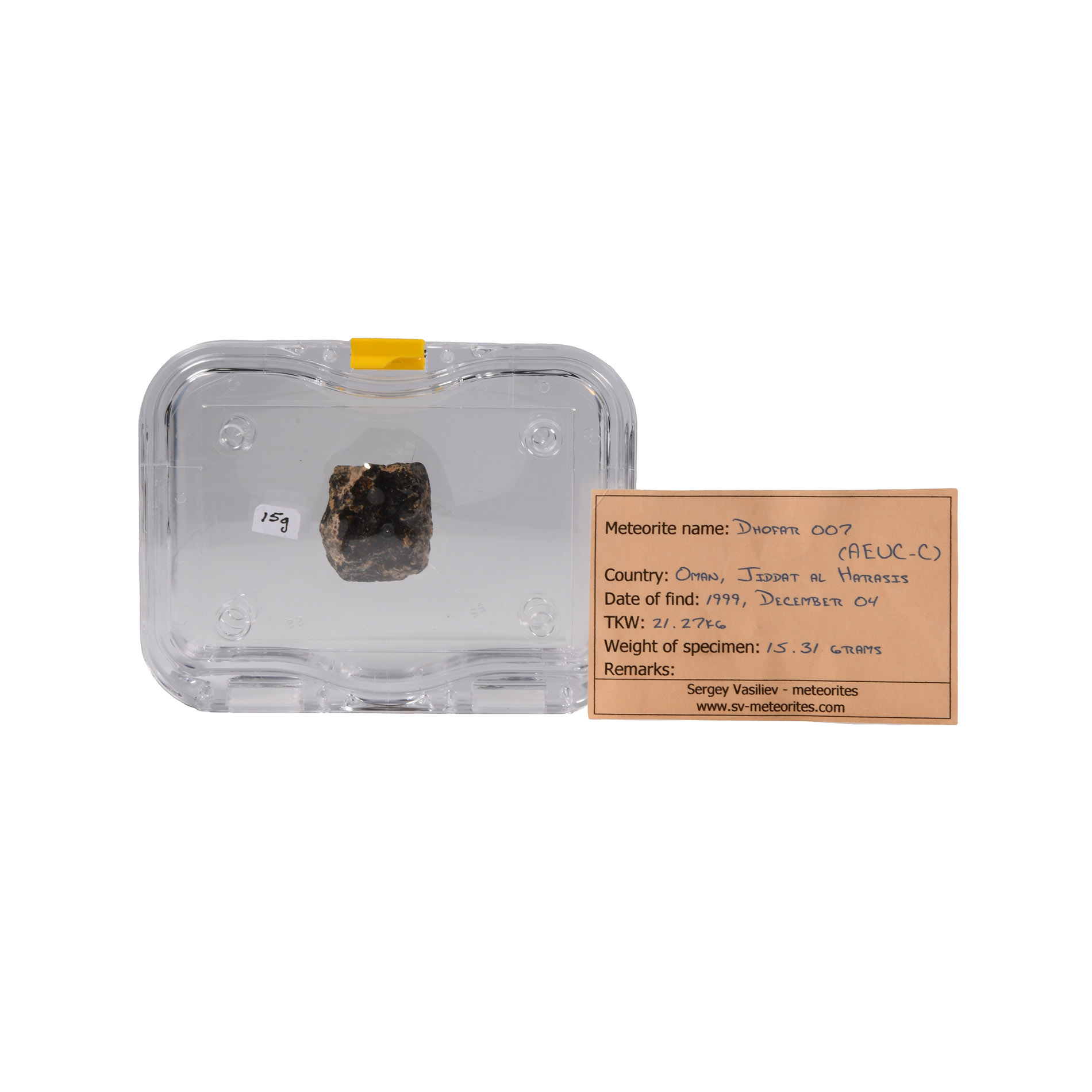
Natural History - Eurite Meteorite with Full Fusion Crust
FOUND 4TH DECEMBER 1999 A.D.
1 - 4 in. (15 grams (62 grams total), 2.3-10 cm).
A complete Dhofar 007, labelled 'DHR / 007'. [No Reserve]
ProvenanceFound 1999 in Oman, Jiddat Al Harasis.
Ex European market.
Accompanied by a dealer's identification card and a Swiss membrane box.
TimeLine Auctions follows a vetting process to ensure the authenticity and legality of all items, reinforcing our commitment to integrity and responsible trading. Each antiquity, antique, and coin lot undergoes thorough examination by a vetting committee of at least ten external specialists, professional trade association members, scientists, and archaeologists: Our Vetting Process
AUCTIONS:
TimeLine is a leading auction house specialising in antiquities, ancient art, collectables, natural history, coins, medals, and books. Our auctions offer museums, collectors, historians, and enthusiasts the opportunity to acquire unique and historically significant pieces.
LOT 2397
Natural History - Eurite Meteorite with Full Fusion Crust
Sold for (Inc. bp): £65
-
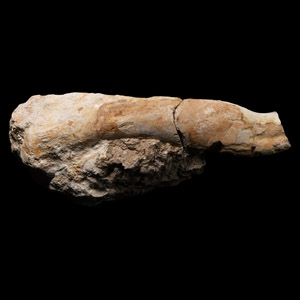
Natural History - Deltadromeus Dinosaur Fossil Bone Section
Cretaceous Period, 90 million years B.P.Sold for (Inc. bp): £39
From the front leg of Deltadromeus agilis on a matrix; repaired. 1.1 kg, 22.5 cm long
From the Kem-Kem Basin, Morocco, North Africa. From an old German paleontological collection.
Deltadromeus had extraordinarily delicate and long limbs making it one of the fastest dinosaurs to have existed. This meat-eating dinosaur was an early off-shoot of the theropod line on northern continents that gave rise to Tyrannosaurus and the raptor Deinonychus. -
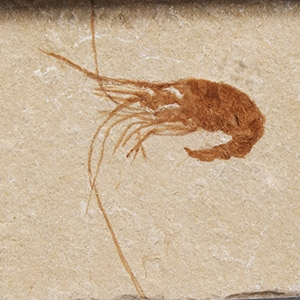
Natural History - Fossil Shrimp in Matrix
Cretaceous Period, 110 million years B.P.Sold for (Inc. bp): £46
Carpopenaeus sp. with some good detailing. 170 grams total, 13.7 x 11 cm including case
From Hjoula, Lebanon. Acquired 1980s. From an old Bristol, UK, collection. -
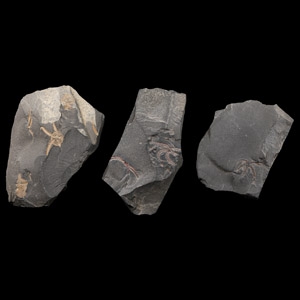
Natural History - Fossil Brittle Star Group
Ordovician Period, 485-444 million years B.P.Sold for (Inc. bp): £7
Comprising three Ophiuroidea sp. on a matrix. 500 grams total, 8.9-11 cm
From El Kaid Errami, Tafilalt, Morocco, North Africa. From an old German collection.
