
Loading, please wait...
LOT 2734
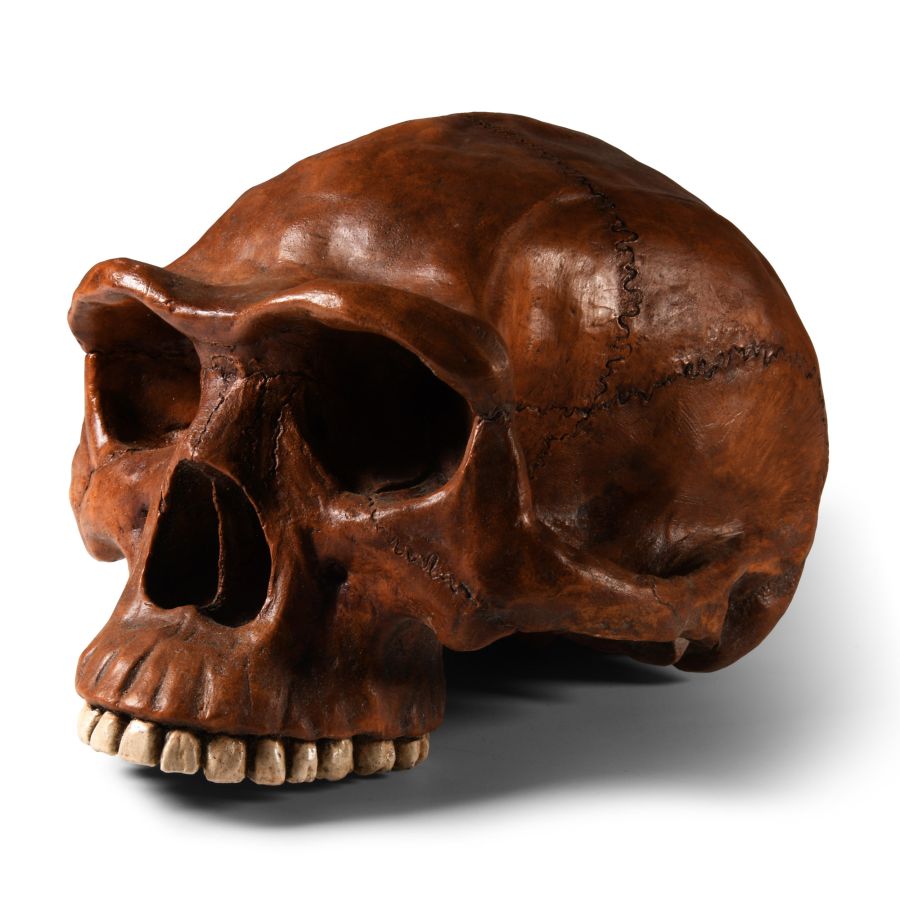
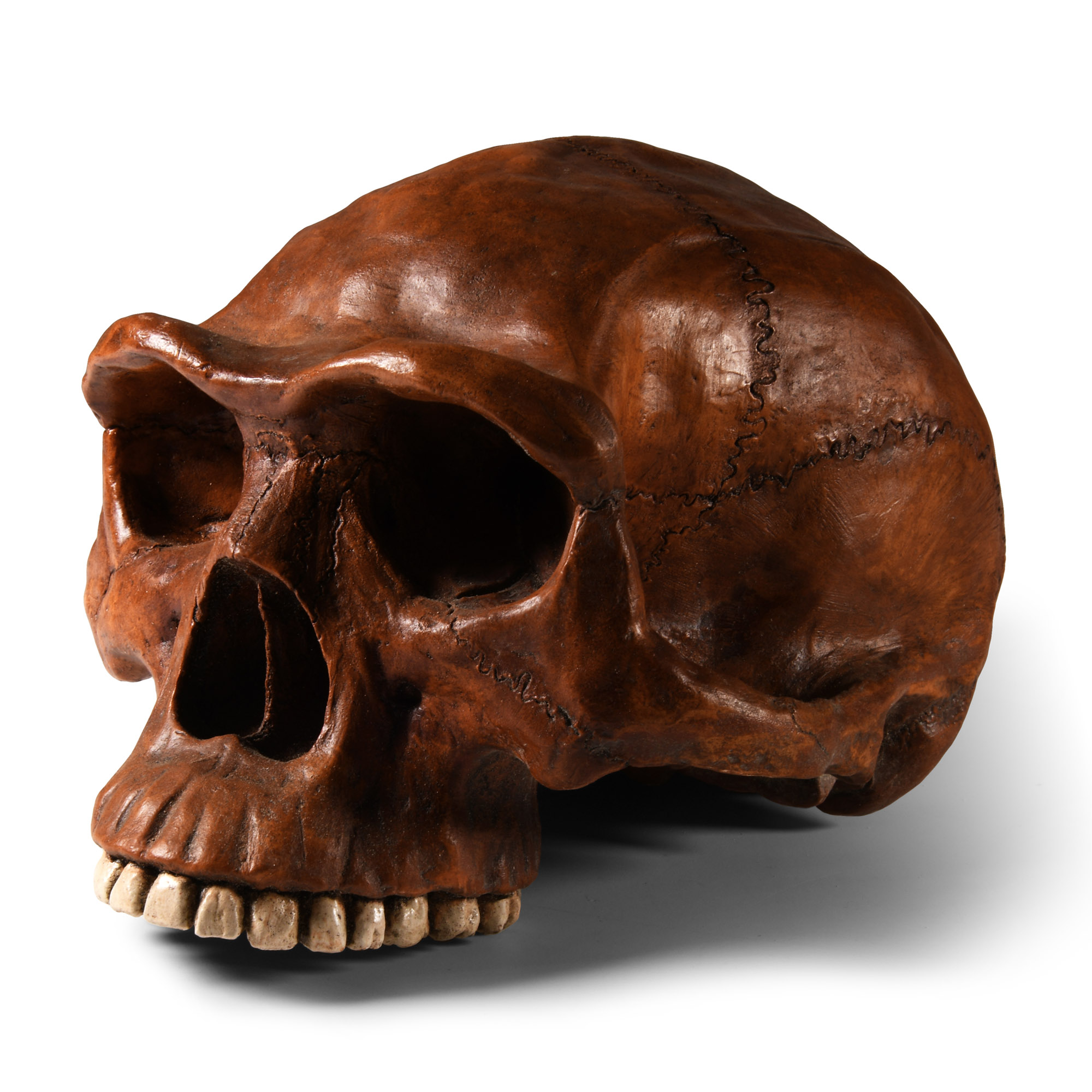
Natural History - Early Human Skull Replica
8 7/8 in. (1.54 kg, 22.5 cm).
Homo erectus cranial skull replica with hand-painted details. [No Reserve]
ProvenanceFrom a collection acquired on the UK art market from various auction houses and collections mostly before 2000.
From an important Cambridgeshire estate; thence by descent.
Homo erectus is an extinct species of archaic human from the Pleistocene Period, and several human species seems to have evolved from it. Homo erectus had a more modern gait and body proportions, and was the first human species to have exhibited a flat face, prominent nose, and possibly sparse body hair coverage.
CONDITIONTimeLine Auctions follows a vetting process to ensure the authenticity and legality of all items, reinforcing our commitment to integrity and responsible trading. Each antiquity, antique, and coin lot undergoes thorough examination by a vetting committee of at least ten external specialists, professional trade association members, scientists, and archaeologists: Our Vetting Process
AUCTIONS:
TimeLine is a leading auction house specialising in antiquities, ancient art, collectables, natural history, coins, medals, and books. Our auctions offer museums, collectors, historians, and enthusiasts the opportunity to acquire unique and historically significant pieces.
-
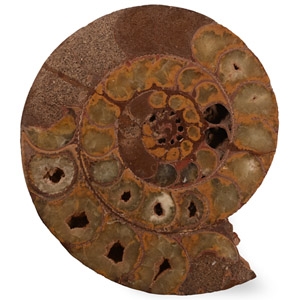
Natural History - Fossil Ammonite Section
Cretaceous Period, circa 113-100 million years B.P.Sold for (Inc. bp): £39
Showing the internal chambers of the ammonite. 683 grams, 17.6 cm
English private collection. -
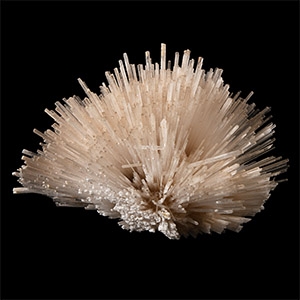
Natural History - Historic 'Poona, India' Mesolite Mineral Specimen
Sold for (Inc. bp): £169
Consisting of large, acicular crystals radiating from a central point, collection number 620; bought from Simon Harrison Minerals for £60.00 in 1986, with an old label and invoice. 207 grams, 12.5 cm
Acquired on the UK mineral and fossil market, since 1970. From the historic mineral collection of Richard Valentine Cain, London, UK, thence by descent. Accompanied by an original historic index file card. -
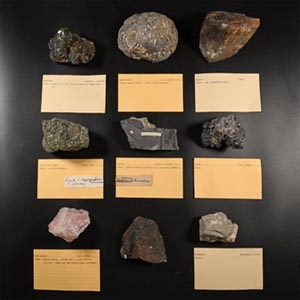
Natural History - Historic Collection of Mineral Specimens
Sold for (Inc. bp): £26
Comprising: galena, collection number 250; quartz from North Transvaal, South Africa, collection number 236; pyrite, collection number 94; pyrite and copper from Norway, collection number 230; agate geode half from Mexico, collection number 83; rose quartz from Brazil, collection number 64; hematite, collection number 392; chalcopyrite from North Transvaal, South Africa, collection number 193; dolomite from Avant, Arkansas, USA, collection number 285. 4.28 kg total, 7.2-12 cm
Acquired on the UK mineral and fossil market, since 1970. From the historic mineral collection of Richard Valentine Cain, London, UK, thence by descent. Eight specimens accompanied by an original historic index file card.
