
Loading, please wait...
LOT 2297
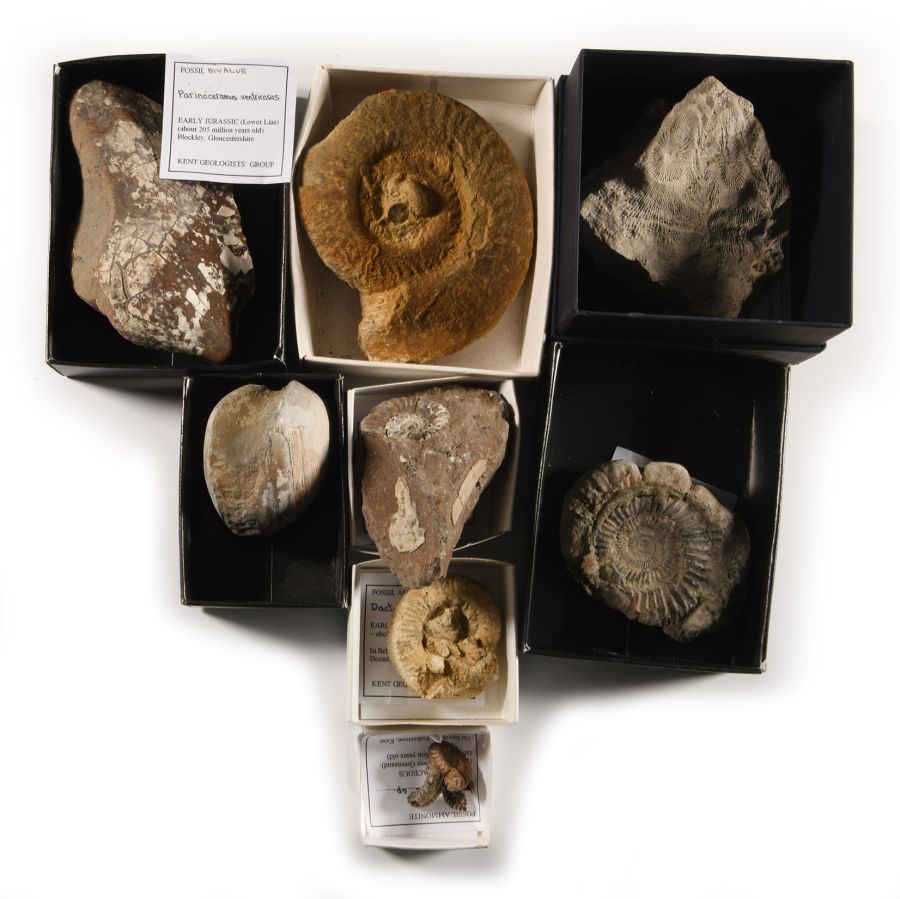
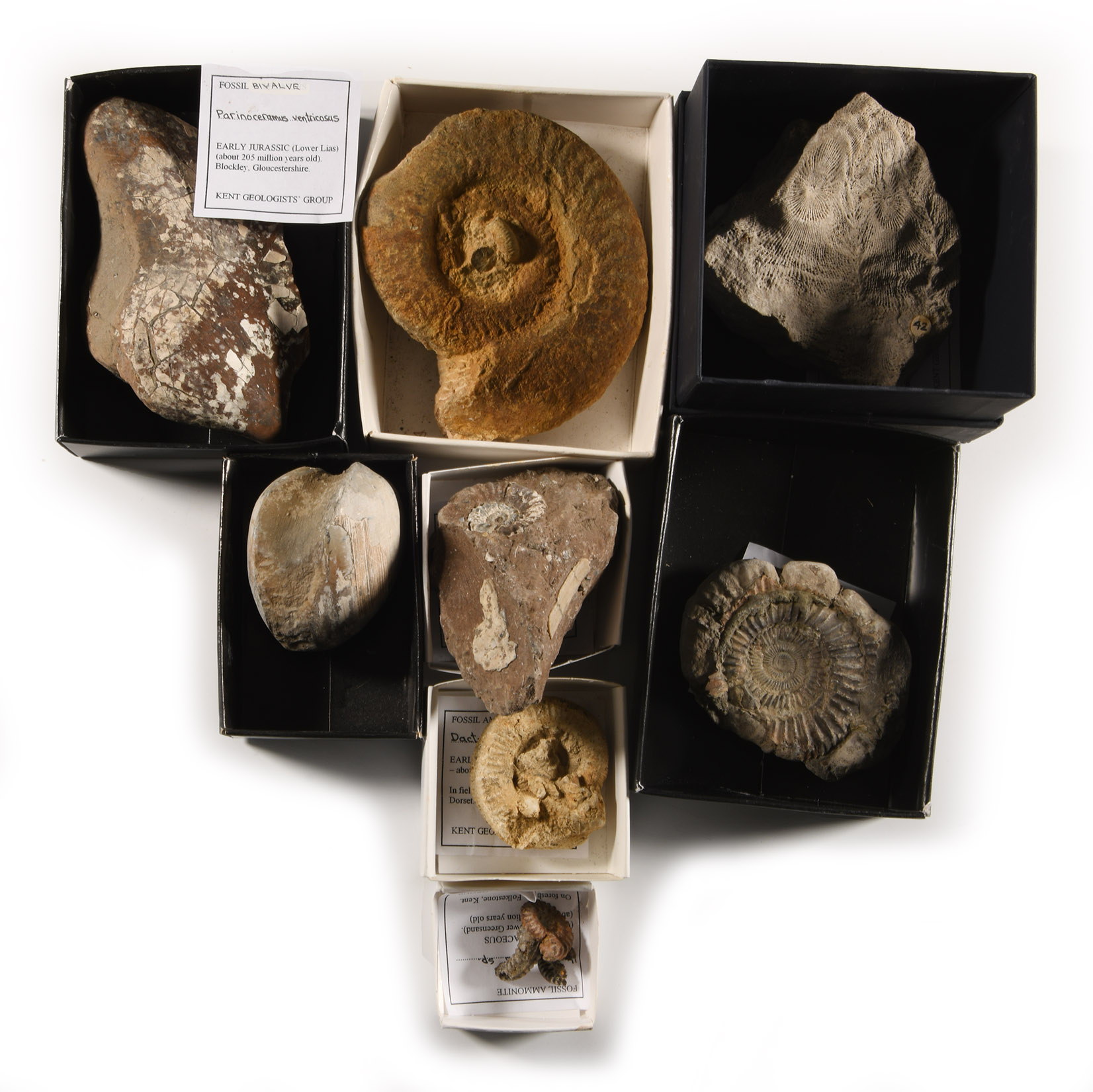
Natural History - British Fossil Collection
CARBONIFEROUS-CRETACEOUS PERIOD, CIRCA 305-113 MILLION YEARS B.P.
3/4 - 4 1/8 in. (1.2 kg total, 2-10.5 cm).
Comprising a mixed group of eight fossils in eight card trays, different species and types including: Rugose Coral from Toddington, Derbyshire; Parinoceramus ventricosus and Aegoceras sp. ammonite from Blockley in Gloucestershire; Hysteroceras sp. ammonites from the foreshore at Folkestone, Kent; Dactylioceras commune from Staithes, Yorkshire; Hildoceras bifrons from near Eype, Dorset; and Dactylioceras sp. ammonite from Seavington St. Michael, Dorset. [10, No Reserve]
ProvenanceFrom various sites in the UK.
From a Norfolk, UK, collection.
TimeLine Auctions follows a vetting process to ensure the authenticity and legality of all items, reinforcing our commitment to integrity and responsible trading. Each antiquity, antique, and coin lot undergoes thorough examination by a vetting committee of at least ten external specialists, professional trade association members, scientists, and archaeologists: Our Vetting Process
AUCTIONS:
TimeLine is a leading auction house specialising in antiquities, ancient art, collectables, natural history, coins, medals, and books. Our auctions offer museums, collectors, historians, and enthusiasts the opportunity to acquire unique and historically significant pieces.
-
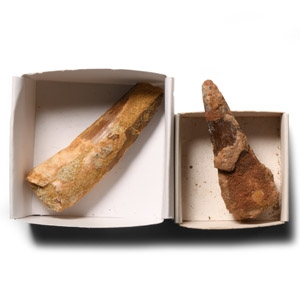
Natural History - Fossil Spinosaur Dinosaur Tooth Pair
Cretaceous Period, circa 125-113 million years B.P.Sold for (Inc. bp): £52
Comprising two teeth with partial roots; repaired. 33 grams total, 57-62 mm
From in the phosphate mine region, Khouribga, Morocco, North Africa. From a Lincolnshire, UK, collection.
The Spinosaurus was both a beachcomber type scavenger and an active hunter taking small stranded Plesiosaurs, Pterosaurs, turtles and large fish. -
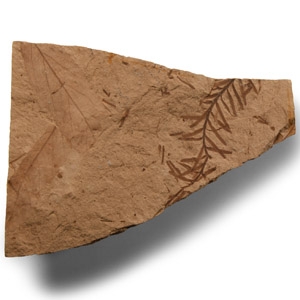
Natural History - Fossil Canadian Fern
Carboniferous Period, circa 305 million years B.P.Sold for (Inc. bp): £13
Comprising fossil fern specimens on an irregular matrix together with some leaf fossils. 108 grams, 95 mm
From Canada. From a Lincolnshire, UK, collection. -
![Natural History - Cut and Polished Lapis Lazuli Tile Group [3]](https://timelineauctions.com/upload/images/items/small/211424-s(1).jpg)
Natural History - Cut and Polished Lapis Lazuli Tile Group [3]
Sold for (Inc. bp): £65
Of rectangular form with one polished face. 345 grams total, 9.4-10.1 cm
Ex Mineral Imports, London, UK. Gregory, Bottley & Lloyd (Gregory's).
