
Loading, please wait...
LOT 2293
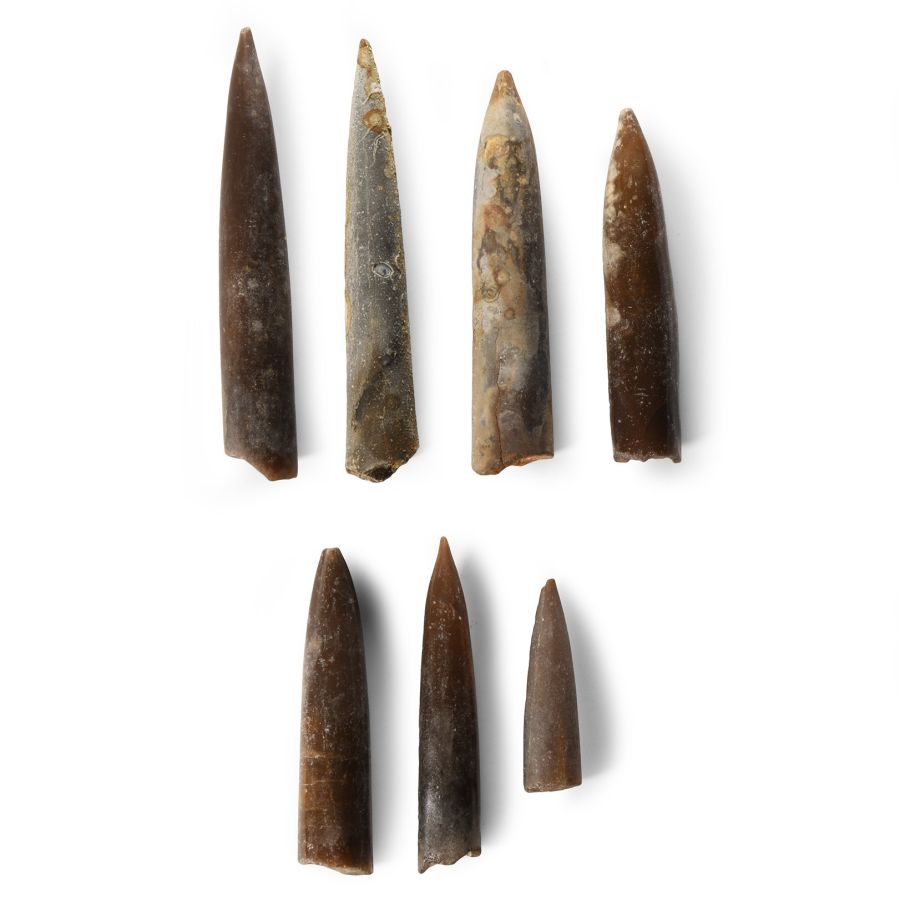
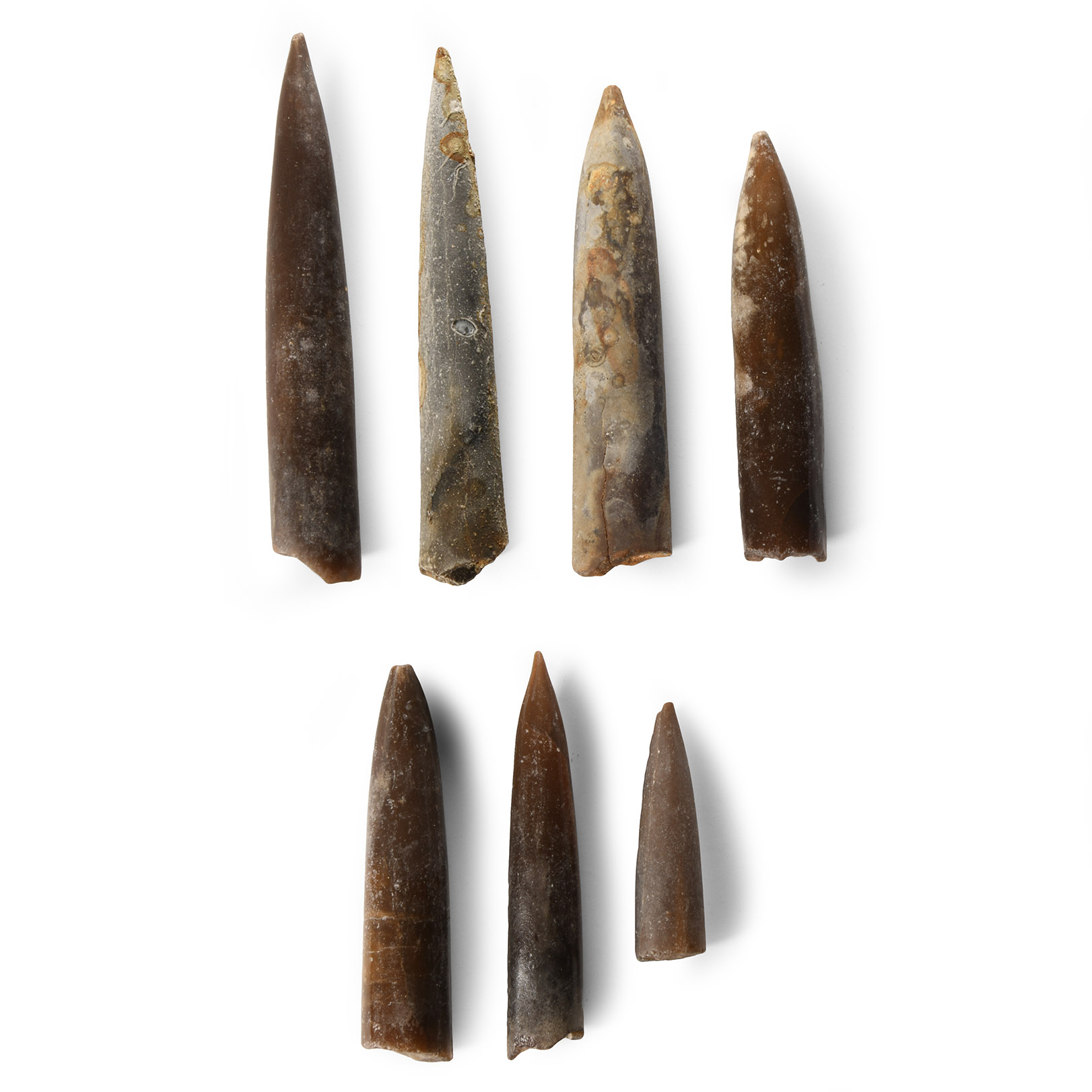
Natural History - British Fossil Belemnite Group
JURASSIC PERIOD, CIRCA 190 MILLION YEARS B.P.
2 - 4 in. (162 grams total, 4.9-10 cm).
Comprising seven examples, three lightly polished. [7, No Reserve]
ProvenanceFound Charmouth, Dorset, England.
CONDITIONTimeLine Auctions follows a vetting process to ensure the authenticity and legality of all items, reinforcing our commitment to integrity and responsible trading. Each antiquity, antique, and coin lot undergoes thorough examination by a vetting committee of at least ten external specialists, professional trade association members, scientists, and archaeologists: Our Vetting Process
AUCTIONS:
TimeLine is a leading auction house specialising in antiquities, ancient art, collectables, natural history, coins, medals, and books. Our auctions offer museums, collectors, historians, and enthusiasts the opportunity to acquire unique and historically significant pieces.
-
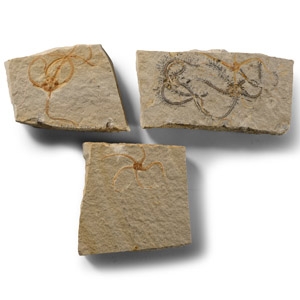
Natural History - Fossil Sinosura Starfish Group
Jurassic Period, circa 199-145 million years B.P.Sold for (Inc. bp): £39
Three possibly Sinosura kelheimense each on a matrix. 140 grams total, 45-65 mm
From Stonhoffen, Germany. From a Lincolnshire, UK, collection. -
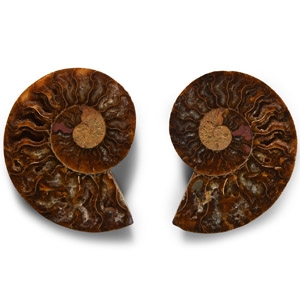
Natural History - Cut and Polished Fossil Ammonite
Middle Cretaceous Period, circa 150 million years B.P.Sold for (Inc. bp): £65
Cleoniceras sp. displaying the distinctive pattern of the cross-section chambers. 145 grams total, 86-87 mm
From Madagascar. Collected between 1930 and 1960. From the collection of the palaeontologist R Gledhill. -
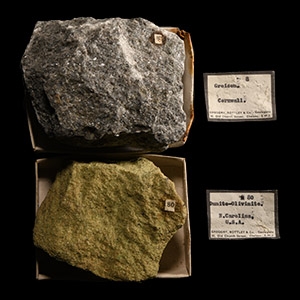
Natural History - Historic Boxed Greisen Mineral Sample From Cornwall and Dunite-Olivinite From North Carolina
Sold for (Inc. bp): £7
Both examples unpolished and with old labels identifying them to be from collection no.8 and 80. 1.3 kg total, 9.4-11 cm
From England and U.S.A. Ex Gregory, Bottley & Lloyd (Gregory's). Accompanied by an old Gregory, Bottley & Co., Geologists tickets.
