
Loading, please wait...
LOT 2264
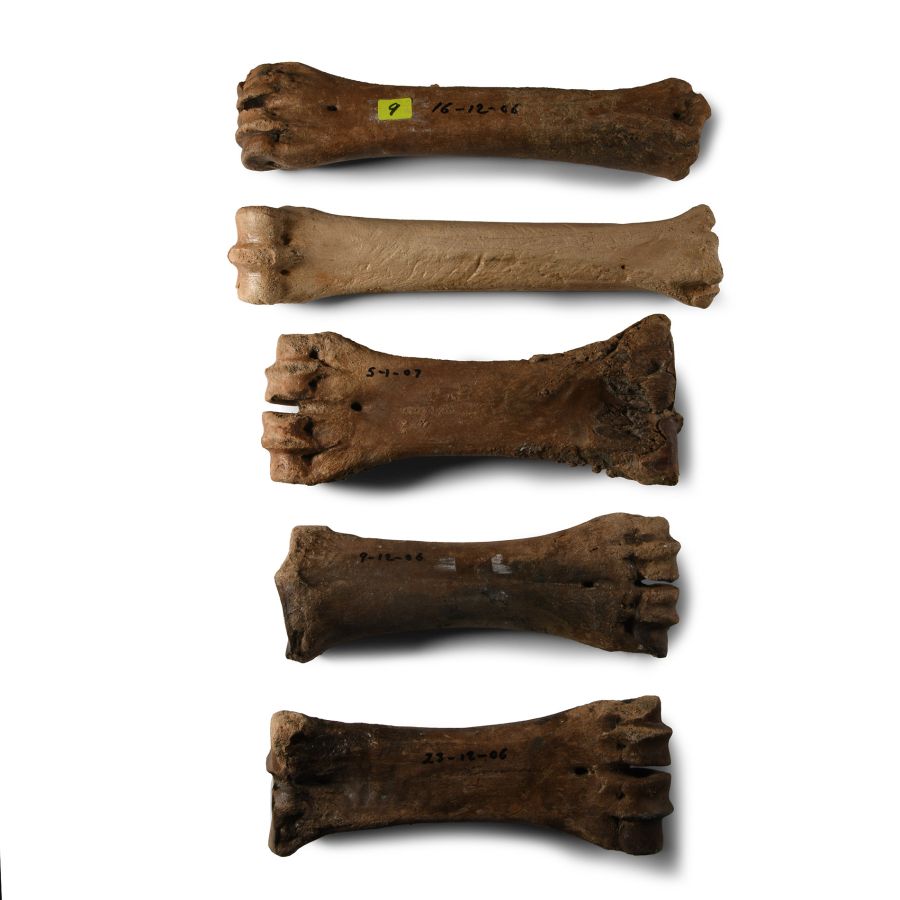
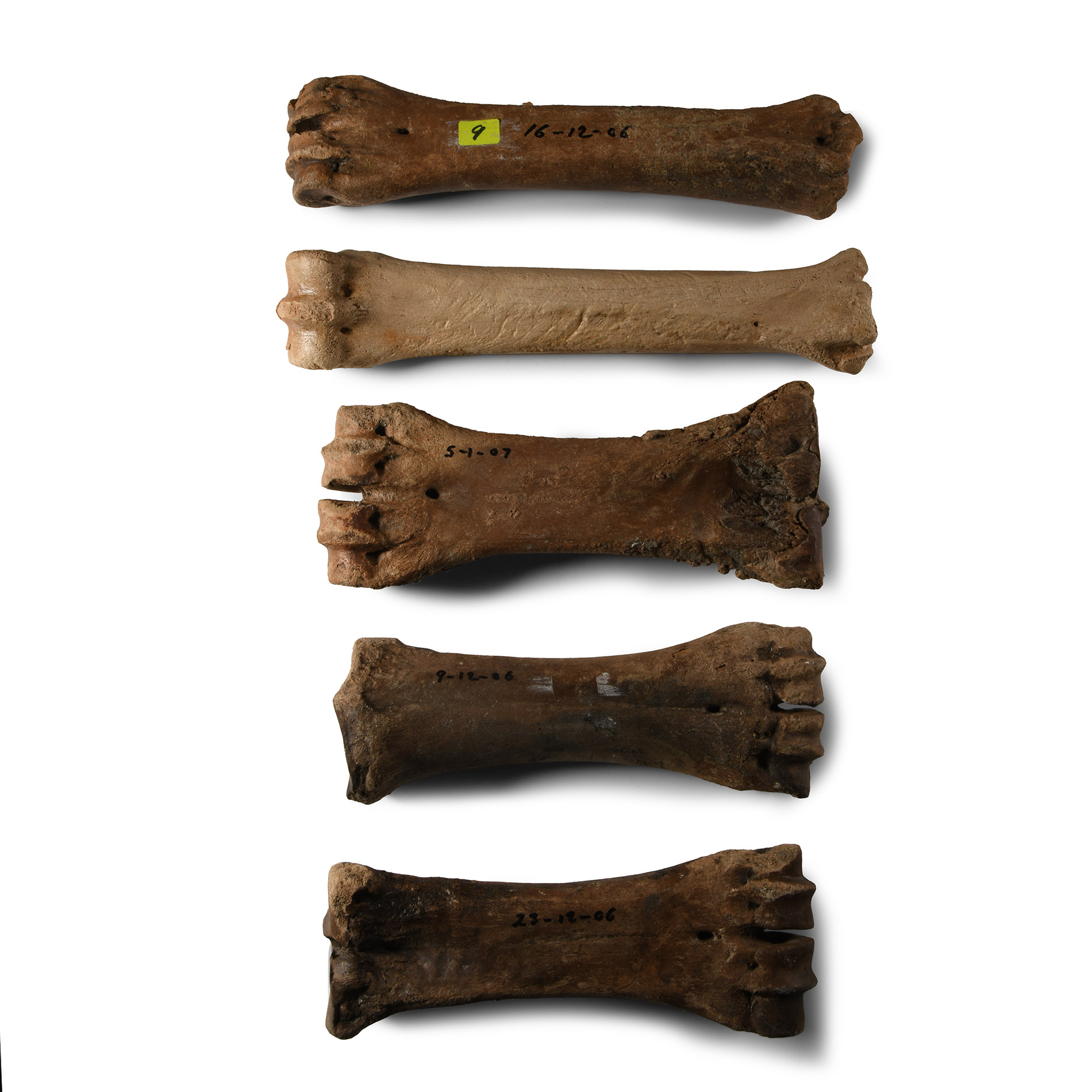
Natural History - British Bison Fossil Leg Bone Group
PLEISTOCENE PERIOD, 2.58 MILLION-12,000 YEARS B.P.
7 1/2 - 10 in. (2.05 kg total, 19-25.5 cm).
Comprising five leg bones, four with inked date. [5, No Reserve]
ProvenanceFound Oxfordshire, UK, clay pits.
Ian Wilkinson collection, Nottinghamshire, UK, formed since 1985.
TimeLine Auctions follows a vetting process to ensure the authenticity and legality of all items, reinforcing our commitment to integrity and responsible trading. Each antiquity, antique, and coin lot undergoes thorough examination by a vetting committee of at least ten external specialists, professional trade association members, scientists, and archaeologists: Our Vetting Process
AUCTIONS:
TimeLine is a leading auction house specialising in antiquities, ancient art, collectables, natural history, coins, medals, and books. Our auctions offer museums, collectors, historians, and enthusiasts the opportunity to acquire unique and historically significant pieces.
-
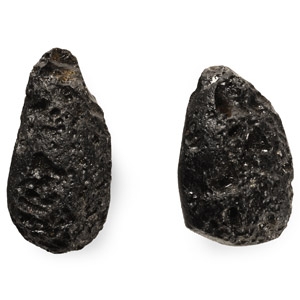
Natural History - Indo-Chinite Black Meteoritic Glass Tektite Group
Found circa 2010 A.D.Sold for (Inc. bp): £59
Black tektite pair formed from the impact of a meteorite. 30 grams total, 33-37 mm
Acquired from Steve Arnold, co-star of 'Meteorite Men'. Ian Wilkinson collection, Nottinghamshire, UK. Accompanied by a card from Steve Arnold and an information sheet on tektites. -
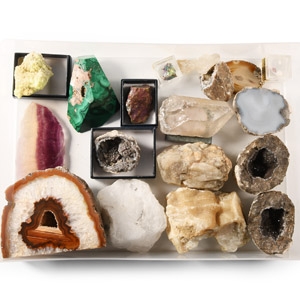
Natural History - Mixed Mineral Specimen Collection
Sold for (Inc. bp): £39
Comprising: yellow sulphur; a cut malachite specimen; smoky quartz point; vanadinite in a specimen box; agate slice; several cut geodes, and others. 2.9 kg total, 18-95 mm
Acquired from various sources within the UK. Ian Wilkinson collection, Nottinghamshire, UK, formed since 1985. -
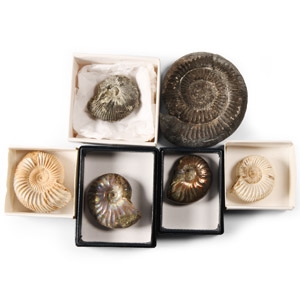
Natural History - Fossil Ammonite Collection
Jurassic Period, circa 200-145 million years B.P.Sold for (Inc. bp): £33
Comprising six specimens, including two Perisphinctes sp., a Dactylioceras sp. and two iridescent specimens. 190 grams total, 31-64 mm
Acquired from various sources within the UK. Ian Wilkinson collection, Nottinghamshire, UK, formed since 1985.
