
Loading, please wait...
![Natural History - Boxed Cut and Polished Chiastolite Mineral Specimen Group [7]](https://timelineauctions.com/zoom_images/zoomthumb/2/1/211322_900x900.jpg "Natural History - Boxed Cut and Polished Chiastolite Mineral Specimen Group [7]")
![Natural History - Boxed Cut and Polished Chiastolite Mineral Specimen Group [7]](https://timelineauctions.com/zoom_images/zoommap/2/1/211322_200x200.jpg "Natural History - Boxed Cut and Polished Chiastolite Mineral Specimen Group [7]")
![Natural History - Boxed Cut and Polished Chiastolite Mineral Specimen Group [7]](https://timelineauctions.com/upload/images/items/211322.jpg "Natural History - Boxed Cut and Polished Chiastolite Mineral Specimen Group [7]")
LOT 2277
Natural History - Boxed Cut and Polished Chiastolite Mineral Specimen Group [7]
3/4 - 1 1/4 in. (140 grams total, 21-31 mm).
Comprising seven specimens with black inclusions of graphite; in labelled specimen trays. [7, No Reserve]
ProvenanceFrom China.
Ex Mineral Imports, London, UK.
Gregory, Bottley & Lloyd (Gregory's).
TimeLine Auctions follows a vetting process to ensure the authenticity and legality of all items, reinforcing our commitment to integrity and responsible trading. Each antiquity, antique, and coin lot undergoes thorough examination by a vetting committee of at least ten external specialists, professional trade association members, scientists, and archaeologists: Our Vetting Process
AUCTIONS:
TimeLine is a leading auction house specialising in antiquities, ancient art, collectables, natural history, coins, medals, and books. Our auctions offer museums, collectors, historians, and enthusiasts the opportunity to acquire unique and historically significant pieces.
LOT 2277
Natural History - Boxed Cut and Polished Chiastolite Mineral Specimen Group [7]
Sold for (Inc. bp): £20
-
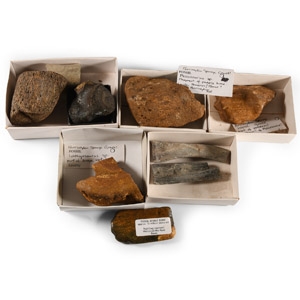
Natural History - Mixed British Fossils
Carboniferous-Cretaceous Period, circa 305-113 million years B.P.Sold for (Inc. bp): £46
Comprising a mixed group of nine fossils in five card trays, different species and types including: Ichthyosaurus, Plesiosaurus, and whale bone from Walton-on-the-Naze, Essex. 981 grams total, 40-92 mm
From various sites in the UK. From a Norfolk, UK, collection. -
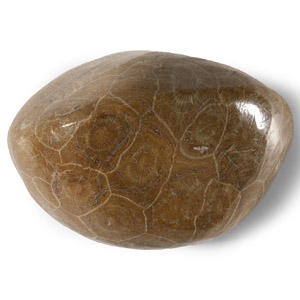
Natural History - Polished Fossil Coral Heads
Devonian Period, circa 350 million years B.P.Sold for (Inc. bp): £7
Polished on all faces to an irregular oval shape, showing the structure of the coral. 296 grams, 79 mm
From a Cambridgeshire, UK, collection. -
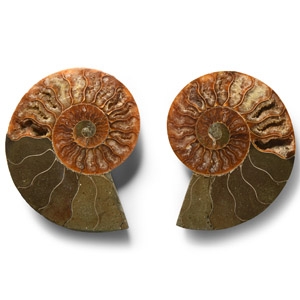
Natural History - Cut and Polished Fossil Ammonite
Middle Cretaceous Period, circa 150 million years B.P.Sold for (Inc. bp): £46
Cleoniceras sp. displaying the distinctive pattern of the cross-section chambers. 173 grams total, 87-91 mm
From Madagascar. Collected between 1930 and 1960. From the collection of the palaeontologist R Gledhill.
