
Loading, please wait...
LOT 2156
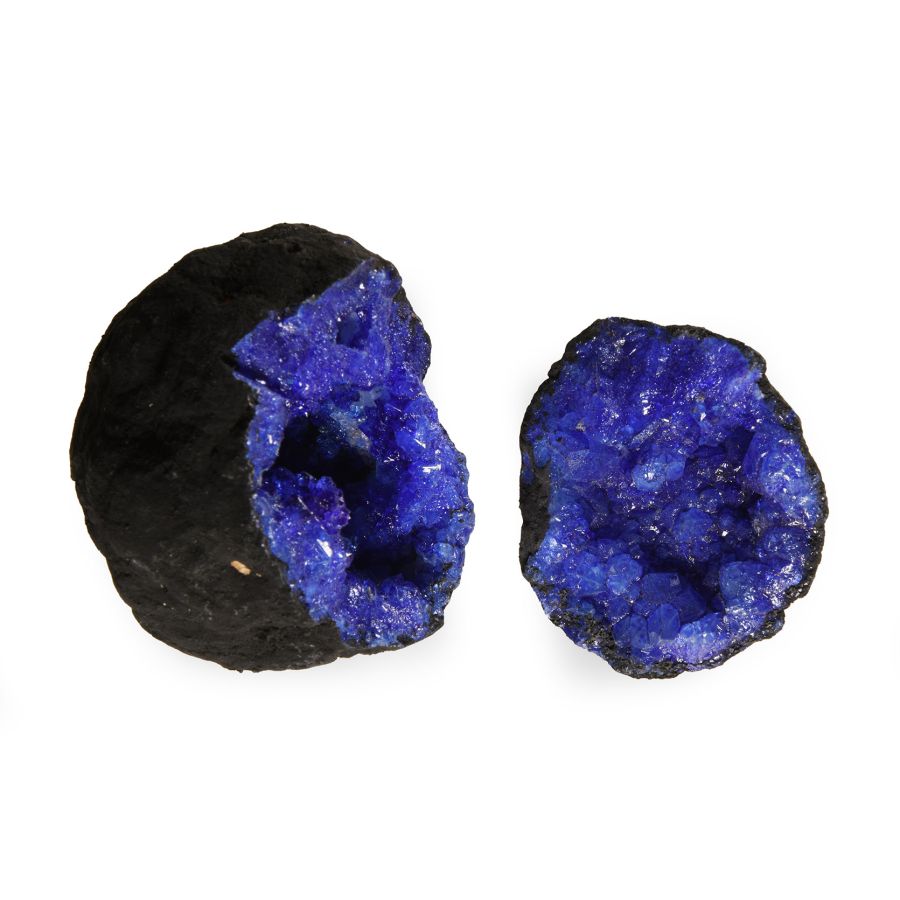
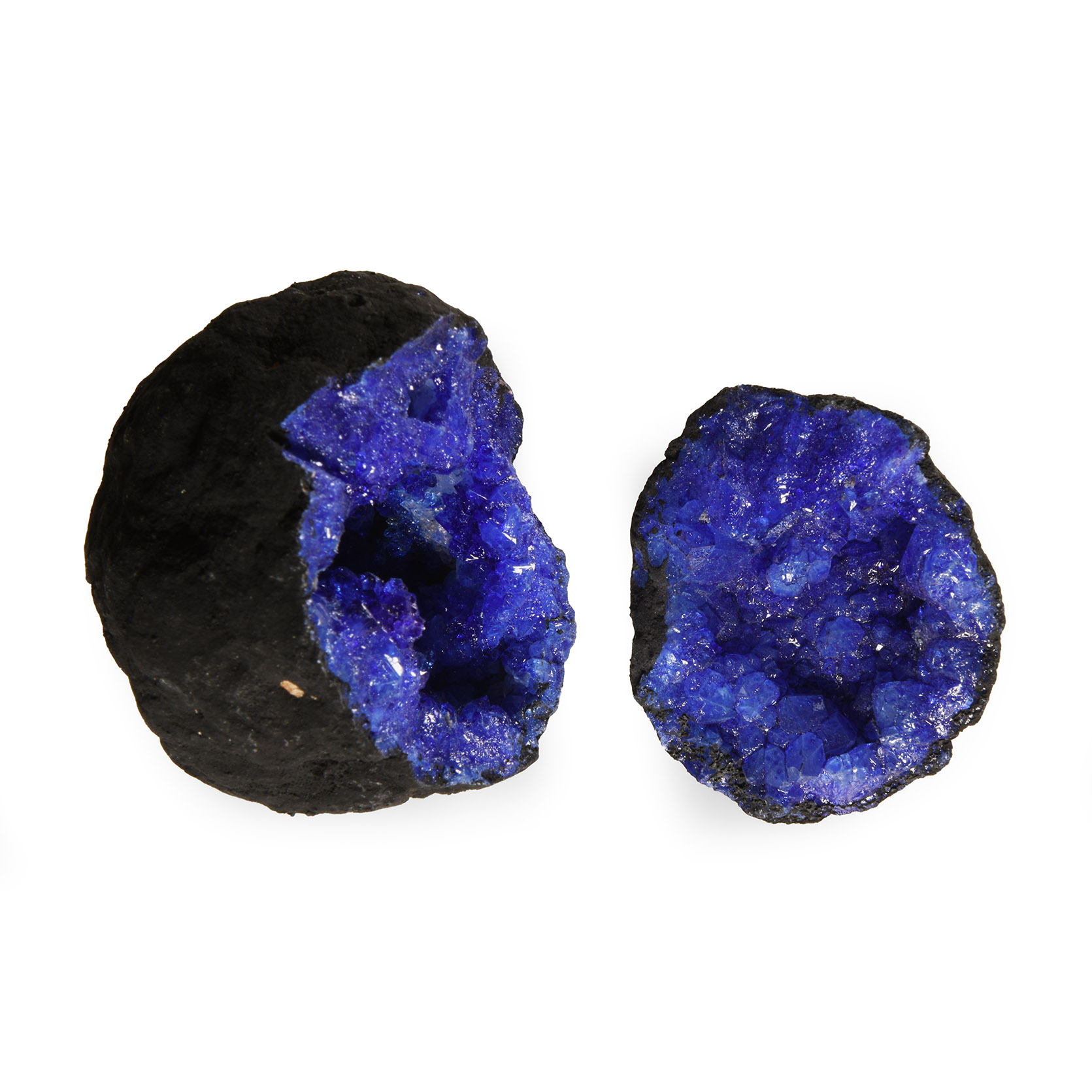
Natural History - Blue Quartz Crystal Nodule
1 7/8 - 2 in. (142 grams total, 47-53 mm).
The nodule split in half to expose the cavity filled with enhanced blue crystals. [2, No Reserve]
ProvenanceFrom a Cambridgeshire, UK, collection.
Property of a Cambridgeshire, UK, gentleman.
TimeLine Auctions follows a vetting process to ensure the authenticity and legality of all items, reinforcing our commitment to integrity and responsible trading. Each antiquity, antique, and coin lot undergoes thorough examination by a vetting committee of at least ten external specialists, professional trade association members, scientists, and archaeologists: Our Vetting Process
AUCTIONS:
TimeLine is a leading auction house specialising in antiquities, ancient art, collectables, natural history, coins, medals, and books. Our auctions offer museums, collectors, historians, and enthusiasts the opportunity to acquire unique and historically significant pieces.
-
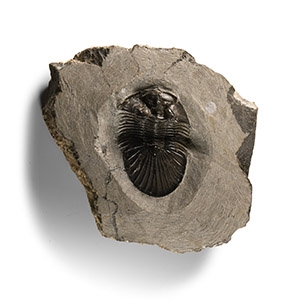
Natural History - Fossil Scutellum Trilobite on Matrix
Devonian Period, circa 380-360 million years B.P.Sold for (Inc. bp): £20
A Scutellum sp. specimen displaying good detail to the carapace. 234 grams, 94 mm
From a Cambridgeshire, UK, collection. Property of a Cambridgeshire, UK, gentleman. -
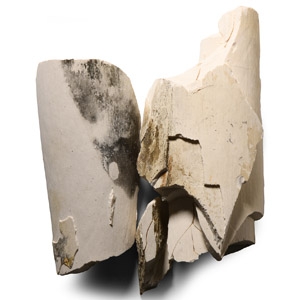
Natural History - British Woolly Mammoth Fossil Tusk Section Group
Pleistocene Period, circa 40,000 years B.P.Sold for (Inc. bp): £39
Mammuthus primigenius tusk fragments. 259 grams total, 4.7-14 cm
Found North Sea, UK. Ian Wilkinson collection, Nottinghamshire, UK, formed since 1985. -
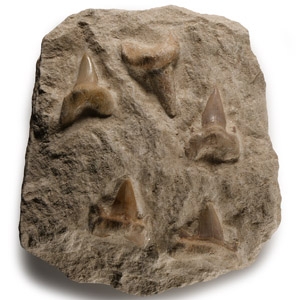
Natural History - Fossil Otodus Shark Tooth Plate
Eocene Period, circa 56-33 million years B.P.Sold for (Inc. bp): £13
Comprising five Otodus obliquus teeth set on an irregular sandstone matrix. 1.1 kg, 15.5 cm
From a Cambridgeshire, UK, collection. Property of a Cambridgeshire, UK, gentleman.
