
Loading, please wait...
LOT 2522
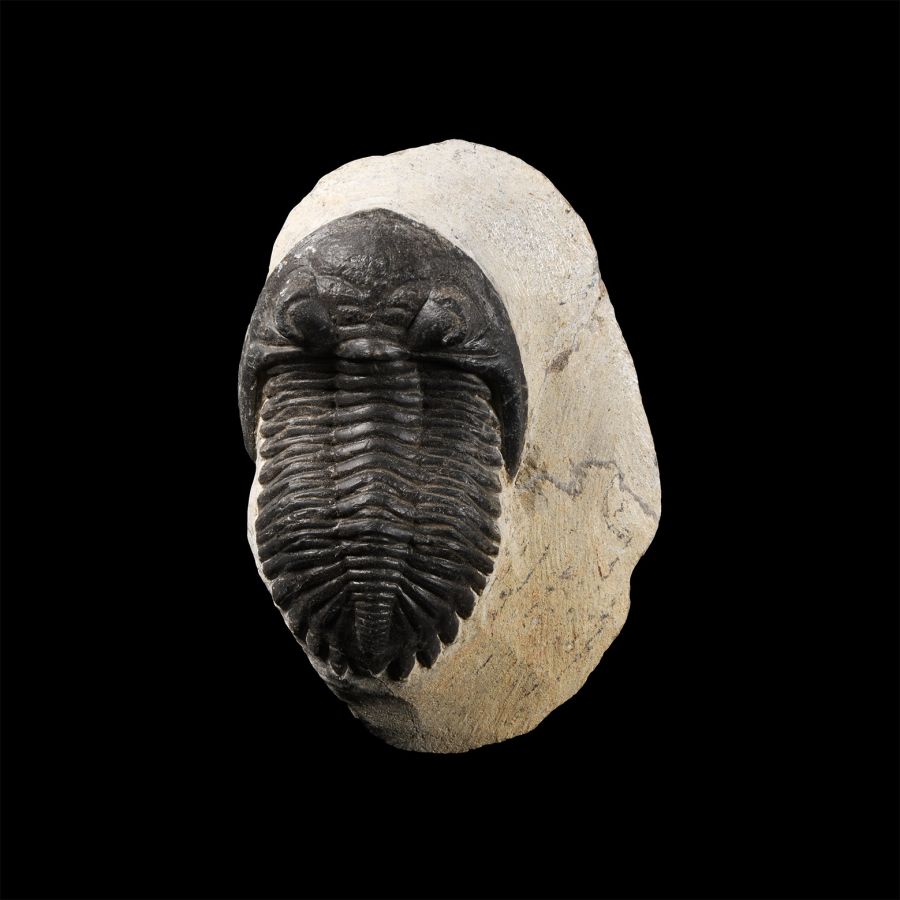
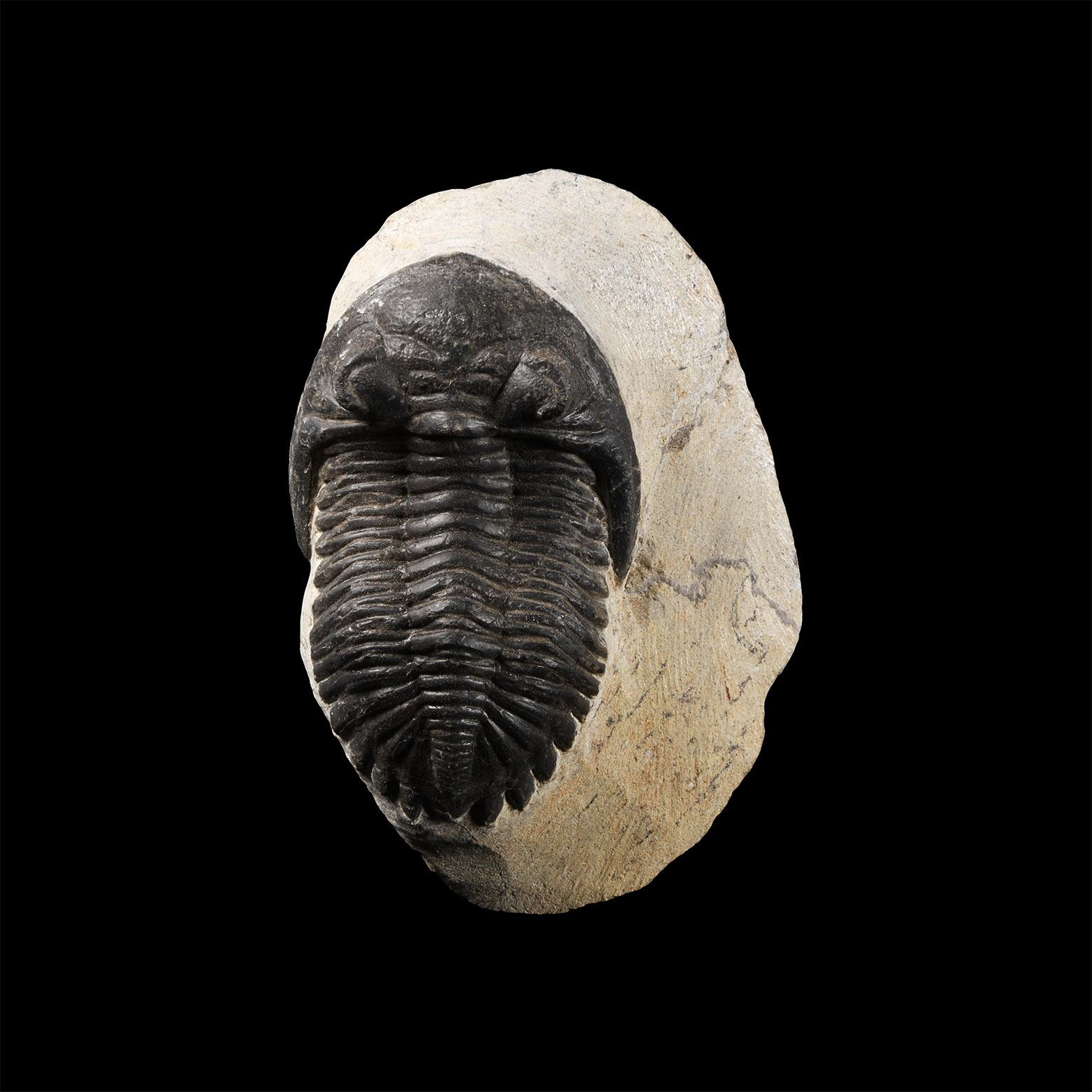
Natural History - Barrandei Fossil Trilobite
DEVONIAN PERIOD, 417-354 MILLION YEARS B.P.
3 1/8 in. (108 grams, 81 mm).
Metacanthina barrandei on a matrix. [3, No Reserve]
ProvenanceFrom the Atlas Mountains, Hamar Laghdad Formation, Pragian, (Alnif), Morocco, North Africa.
From an old Oxfordshire, UK, fossil and mineral collection.
TimeLine Auctions follows a vetting process to ensure the authenticity and legality of all items, reinforcing our commitment to integrity and responsible trading. Each antiquity, antique, and coin lot undergoes thorough examination by a vetting committee of at least ten external specialists, professional trade association members, scientists, and archaeologists: Our Vetting Process
AUCTIONS:
TimeLine is a leading auction house specialising in antiquities, ancient art, collectables, natural history, coins, medals, and books. Our auctions offer museums, collectors, historians, and enthusiasts the opportunity to acquire unique and historically significant pieces.
-
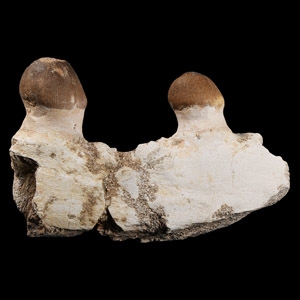
Natural History - Fossil Mosasaur Jaw Fragment
Late Cretaceous Period, 70 million years B.P.Sold for (Inc. bp): £20
A section of a jaw with two Igdamanosaurus aegyptiacus teeth. 63 grams, 76 mm
From the Oulad Abdoun Basin, Morocco, North Africa. Collected between 1930 and 1960. From the collection of the palaeontologist R Gledhill.
Most Mosasaurs had sharp teeth that had evolved to grab slippery prey such as fish. Igdamanosaurus had semi-spherical teeth with rounded points, which were better suited for crushing tough-armoured prey such as turtles, ammonites, nautili, and bivalves. -
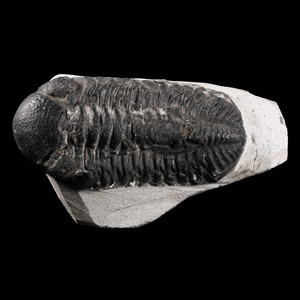
Natural History - Fossil Mesacristata Trilobite
Devonian Period, 417-354 million years B.P.Sold for (Inc. bp): £46
Hollardops mesacristata on a matrix. 130 grams, 78 mm
From the Atlas Mountains, Hamar Laghdad Formation, Prgain, Alnif, Morocco, North Africa. From an old Oxford, UK, fossil and mineral collection. -
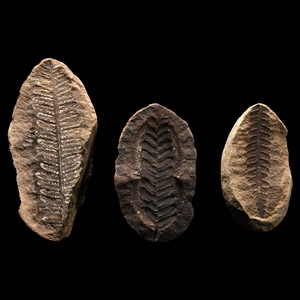
Natural History - Fossil Seed Fern Group
Middle Pennsylvanian Period, circa 300 million years B.P.Sold for (Inc. bp): £59
Comprising three Pecopteris sp. specimens. 180 grams total, 66-88 mm
From the Mazon Creek Fossil Beds, Braidwood, Illinois, U.S.A. Collected between 1930 and 1960. From the collection of the palaeontologist R Gledhill.
