
Loading, please wait...
LOT 2608
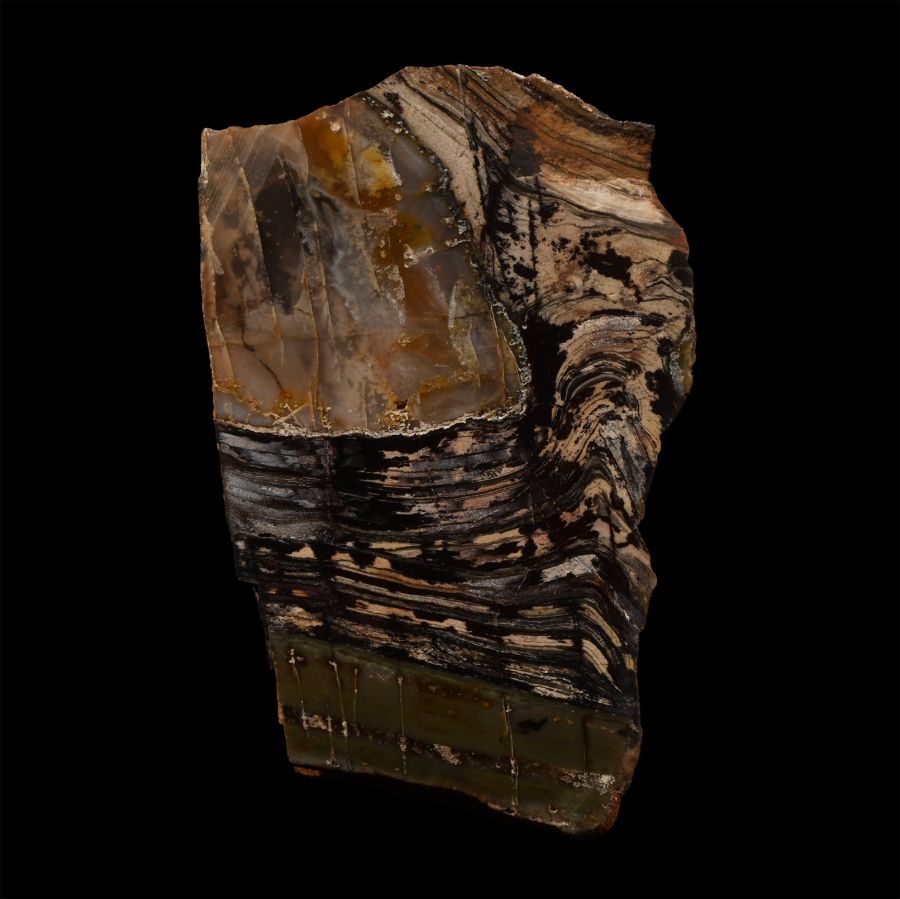
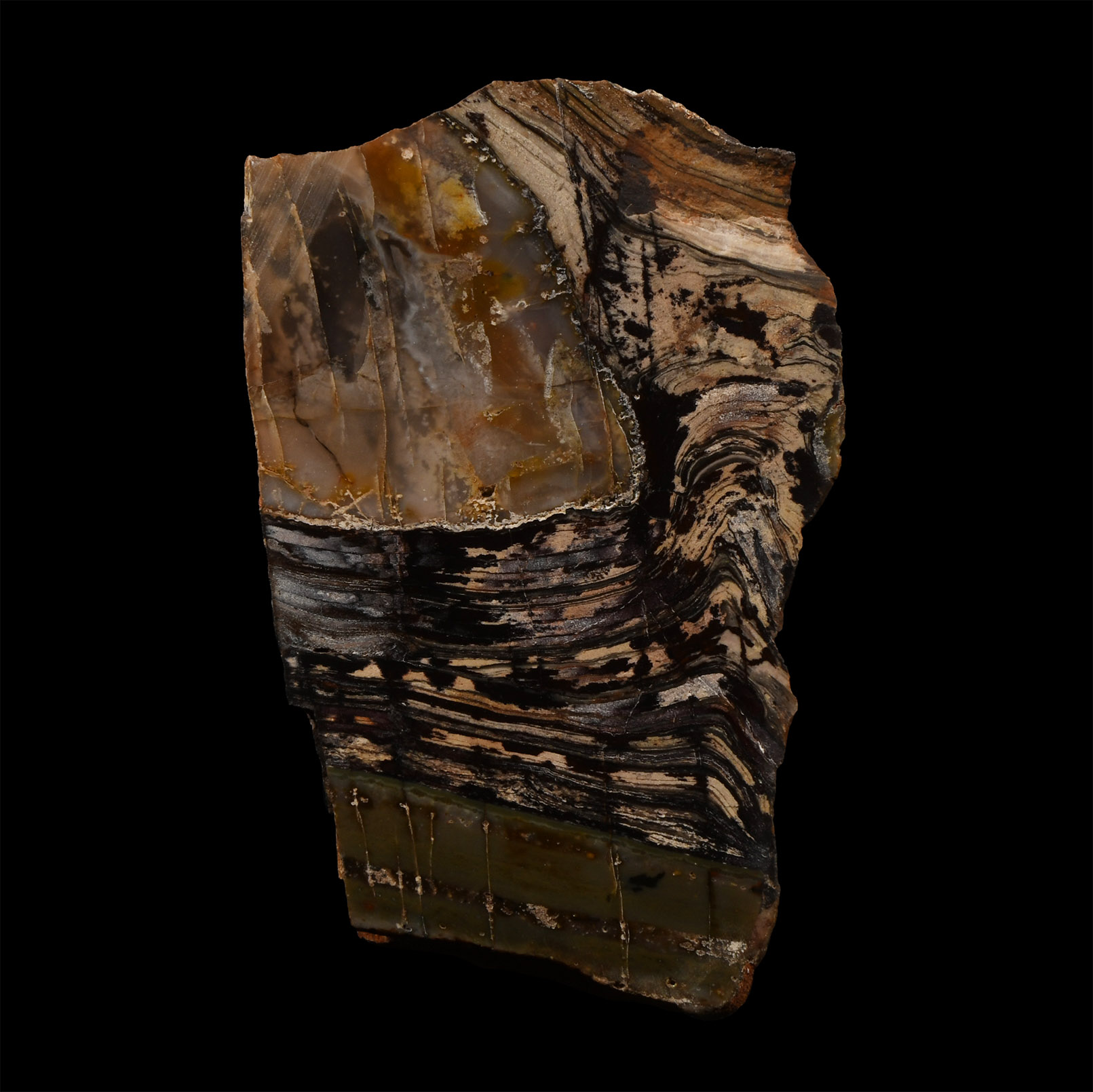
Natural History - 'Australia' Polished Stromatolite Block
JERRINAH FORMATION, CIRCA 2.63 BILLION YEARS B.P.
4 1/8 in. (240 grams, 10.4 cm).
A Neo-Archean stone block polished on one face, showing the various rock formations. [No Reserve]
ProvenanceFrom Pilbara, Western Australia.
Ex Australian market.
From a Leicestershire, UK, collection.
TimeLine Auctions follows a vetting process to ensure the authenticity and legality of all items, reinforcing our commitment to integrity and responsible trading. Each antiquity, antique, and coin lot undergoes thorough examination by a vetting committee of at least ten external specialists, professional trade association members, scientists, and archaeologists: Our Vetting Process
AUCTIONS:
TimeLine is a leading auction house specialising in antiquities, ancient art, collectables, natural history, coins, medals, and books. Our auctions offer museums, collectors, historians, and enthusiasts the opportunity to acquire unique and historically significant pieces.
LOT 2608
Natural History - 'Australia' Polished Stromatolite Block
Sold for (Inc. bp): £33
-
Natural History - Historic Mineral Specimen Collection
Sold for (Inc. bp): £7
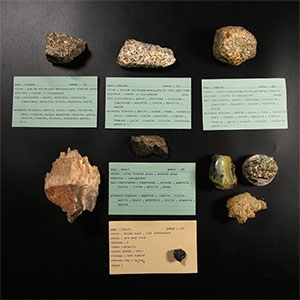
Comprising: pyrite from Italy on a granite stand; granite from Middlesex, England, collection number 534; halite(?), no collection number; granite from the A40 construction works, Middlesex, collection number 502; basalt, collection number 225; bornite, collection number 178; quartz, no collection number; granite from adjacent to Ruislip Road, Greenford, Middlesex, England, collection number 462; an unidentified banded specimen, possibly slag, no collection number. 1.1 kg total, 2.1-10.9 cm
Acquired on the UK mineral and fossil market, since 1970. From the historic mineral collection of Richard Valentine Cain, London, UK, thence by descent. Five specimens accompanied by an original historic index file card. -
.jpg)
Natural History - Fossil Scutellum Trilobite
Upper Devonian Period, 385-359 million years B.P.Sold for (Inc. bp): £91
A Scutellum sp. trilobite from the family Styginidae on a matrix. 222 grams, 77 mm
From the Atlas Mountains, Hamar Laghdad Formation, Pragian, (Alnif), Morocco, North Africa. From a Cambridgeshire, UK, collection. -
![Natural History - Polished Malachite Sheet Collection [14]](https://timelineauctions.com/upload/images/items/small/211426-s.jpg)
Natural History - Polished Malachite Sheet Collection [14]
Sold for (Inc. bp): £91
Of irregular shapes with one polished face to display attractive banding. 240 grams total, 37-70 mm
From Democratic Republic of the Congo. Ex Mineral Imports, London, UK. Gregory, Bottley & Lloyd (Gregory's).
