
Loading, please wait...
LOT 2485
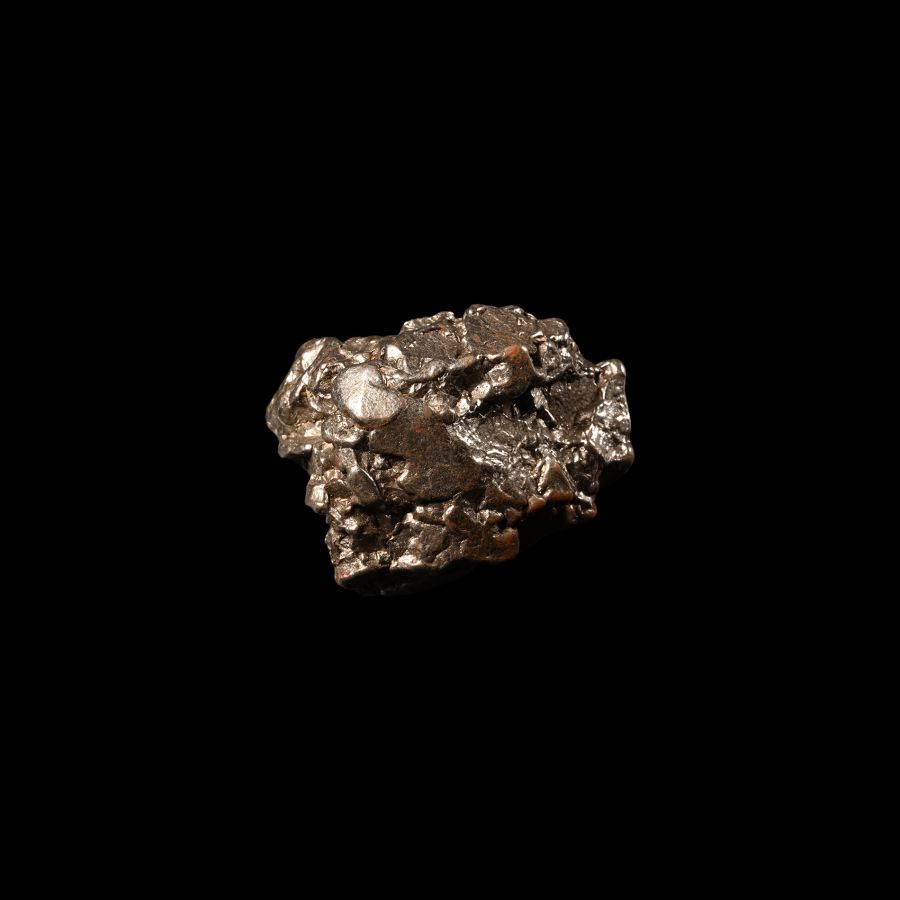
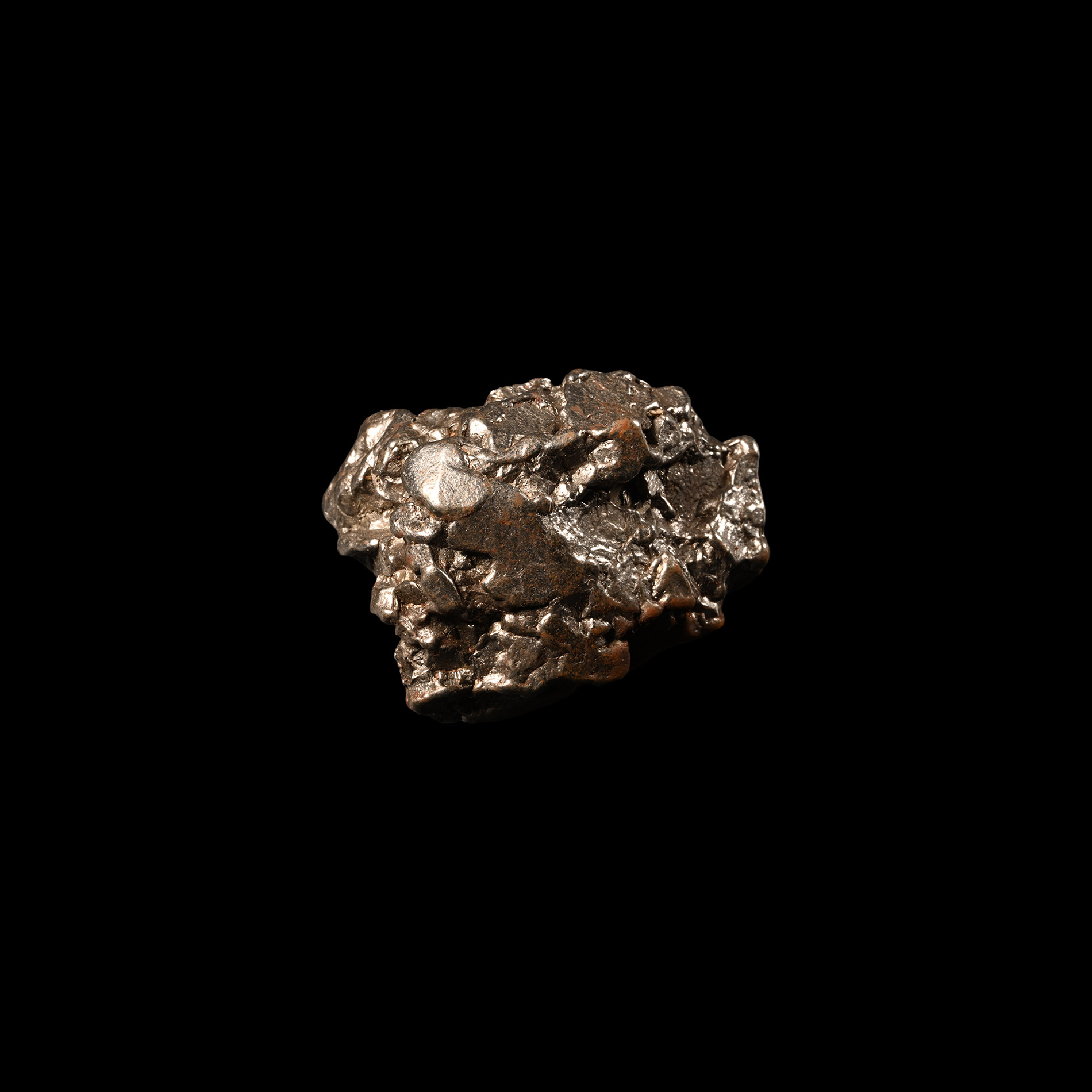
Natural History - Argentinian Campo del Cielo Meteorite
FELL 6000-5000 YEARS B.P.
1 5/8 in. (94 grams, 42 mm).
With irregular surfaces, classified as a nickel iron (IAB) meteorite, composition 92.9% iron, 6.7% nickel. [No Reserve]
ProvenanceDiscovered 1576 A.D., Chaco Province, Argentina.
From a Lincolnshire, UK, collection.
TimeLine Auctions follows a vetting process to ensure the authenticity and legality of all items, reinforcing our commitment to integrity and responsible trading. Each antiquity, antique, and coin lot undergoes thorough examination by a vetting committee of at least ten external specialists, professional trade association members, scientists, and archaeologists: Our Vetting Process
AUCTIONS:
TimeLine is a leading auction house specialising in antiquities, ancient art, collectables, natural history, coins, medals, and books. Our auctions offer museums, collectors, historians, and enthusiasts the opportunity to acquire unique and historically significant pieces.
-
Natural History - Fossil Starfish on Matrix
Ordovician Age, 485-444 million years B.P.Sold for (Inc. bp): £59
Comprising two Petraster sp. specimens on a rectangular matrix; repaired. 761 grams, 16 cm
From a Lincolnshire, UK, collection. -
.jpg)
Natural History - Large Baryte Crystal Specimen
Sold for (Inc. bp): £20
On a pyrrhotite matrix with clusters of tabular baryte crystals, old stickers to base; supplied in a cardboard specimen tray. 257 grams, 11 cm
Very fine condition.
Mineral Imports, London, UK. Gregory, Bottley & Lloyd (Gregory's). -
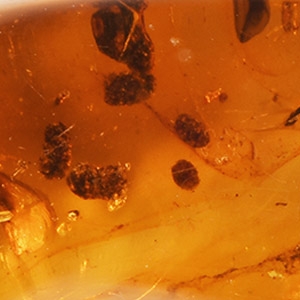
Natural History - Large Display Piece of Polished Amber with Insects
Oligocene Period, circa 45 million years B.P.Sold for (Inc. bp): £98
Containing flies together with other inclusions. 32.6 grams, 75 mm
UK collection since the 1990s. Property of a Sussex, UK, teacher.
