
Loading, please wait...
LOT 2425
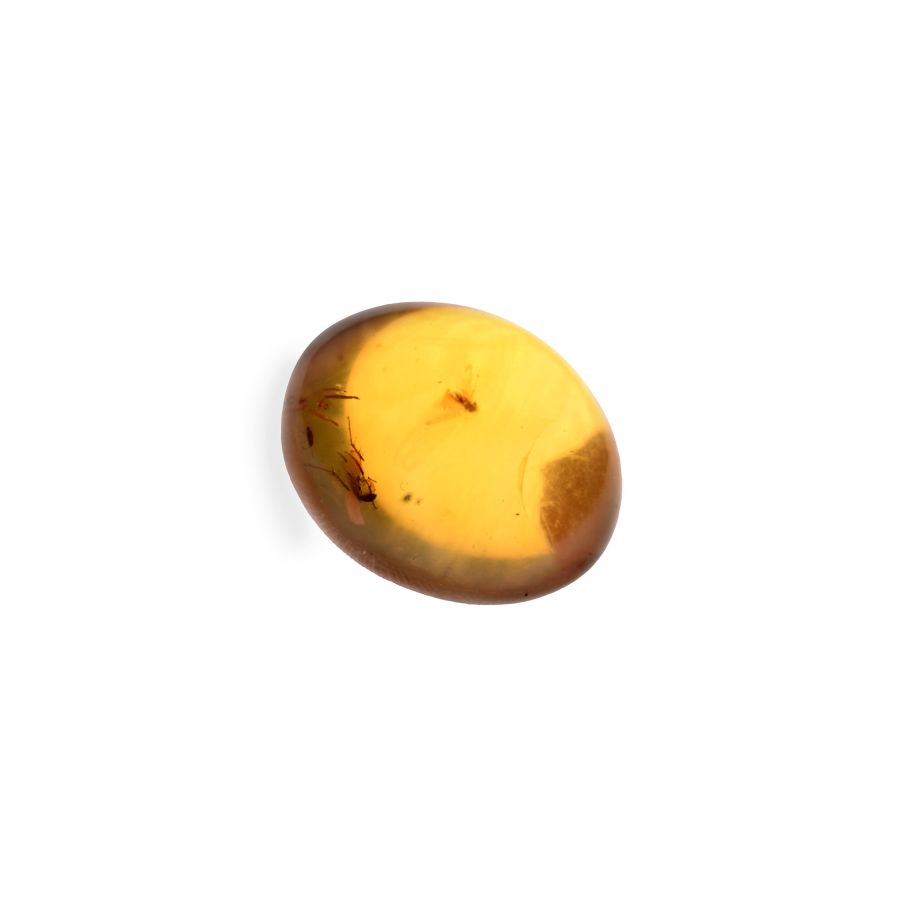
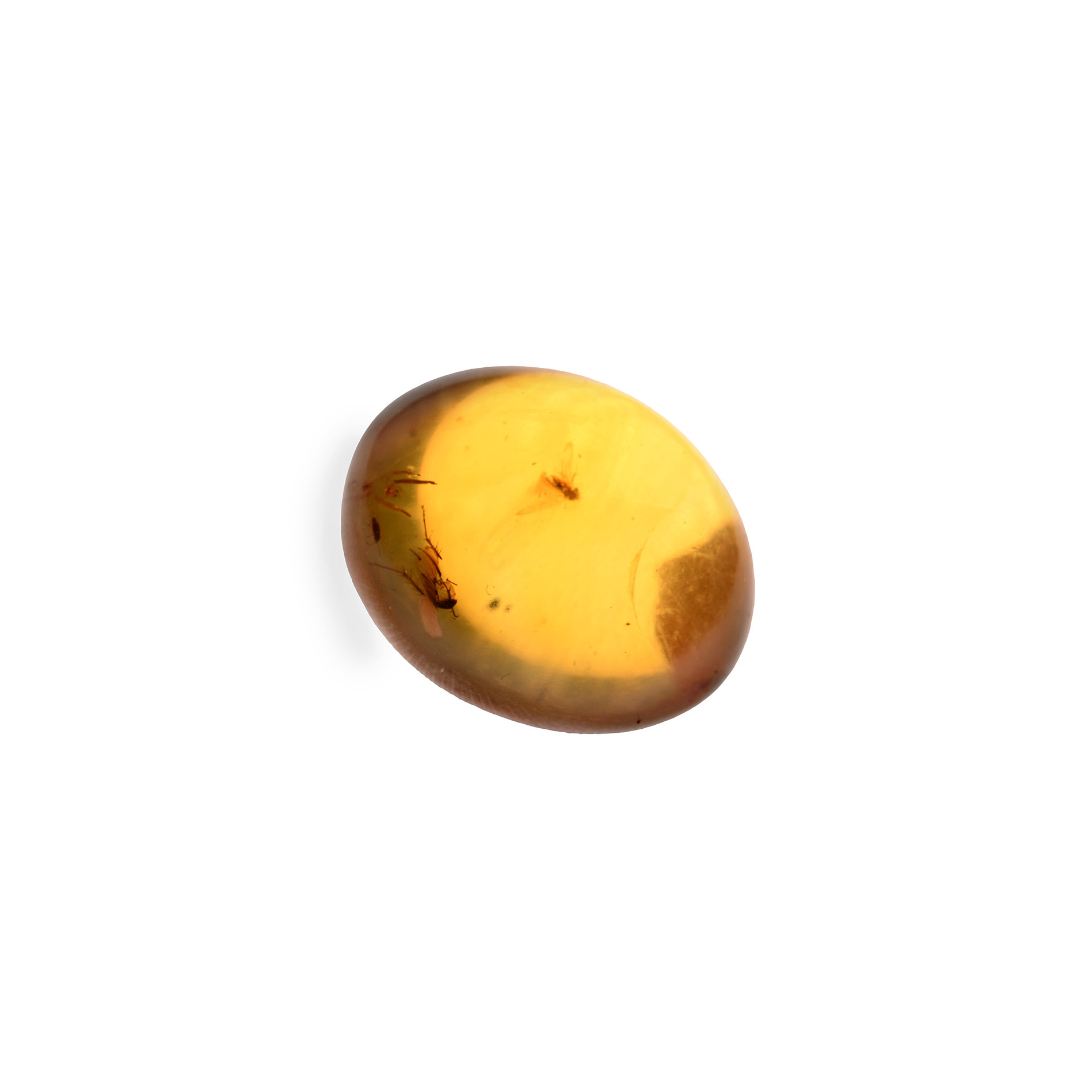
Natural History - Amber with Insect Inclusions
OLIGOCENE PERIOD, CIRCA 45 MILLION YEARS B.P.
5/8 in. (1.67 grams, 17 mm).
Including at least one fly; with a polished body. [No Reserve]
ProvenanceEx private UK collection formed in the 1980s.
CONDITIONTimeLine Auctions follows a vetting process to ensure the authenticity and legality of all items, reinforcing our commitment to integrity and responsible trading. Each antiquity, antique, and coin lot undergoes thorough examination by a vetting committee of at least ten external specialists, professional trade association members, scientists, and archaeologists: Our Vetting Process
AUCTIONS:
TimeLine is a leading auction house specialising in antiquities, ancient art, collectables, natural history, coins, medals, and books. Our auctions offer museums, collectors, historians, and enthusiasts the opportunity to acquire unique and historically significant pieces.
-
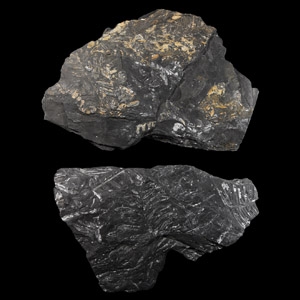
Natural History - White Pecopteris Fossil Fern Group
Carboniferous Period, 359-299 million years B.P.Sold for (Inc. bp): £13
Contained in a matrix with specimens to both sides. 1.34 kg total, 20-21 cm
From St. Clair, Pennsylvania, U.S.A. Acquired during the 1980s. From the Pradi Collection, Boston, U.S.A.
These fern fossils commonly found in coal-mining areas worldwide. However, the St. Clair ferns are treasured for their rarity and beauty, a result of the fossilised ferns gaining a coating of the mineral pyrophyllite which contrasts with the natural black shale matrix. -
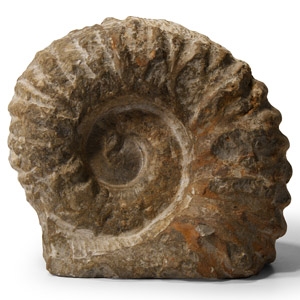
Natural History - Fossil Agadir Ammonite
Cretaceous Period, 145-66 million years B.P.Sold for (Inc. bp): £20
Freestanding with one cut edge. 1.3 kg ,12 cm
From Agadir, Morocco. From a Cambridgeshire, UK, collection. -
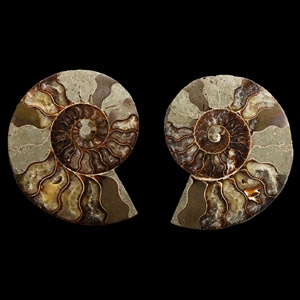
Natural History - Cut Fossil Ammonite Halves
Middle Cretaceous Period, 150 million years B.P.Sold for (Inc. bp): £26
Polished to reveal the distinctive structure of the Cleoniceras sp. chambers, some iridescence; chip to edge of one half. 357 grams total, 11.2 cm each
From Madagascar. Collected between 1930 and 1960. From the collection of the palaeontologist R Gledhill.
