
Loading, please wait...
LOT 2648
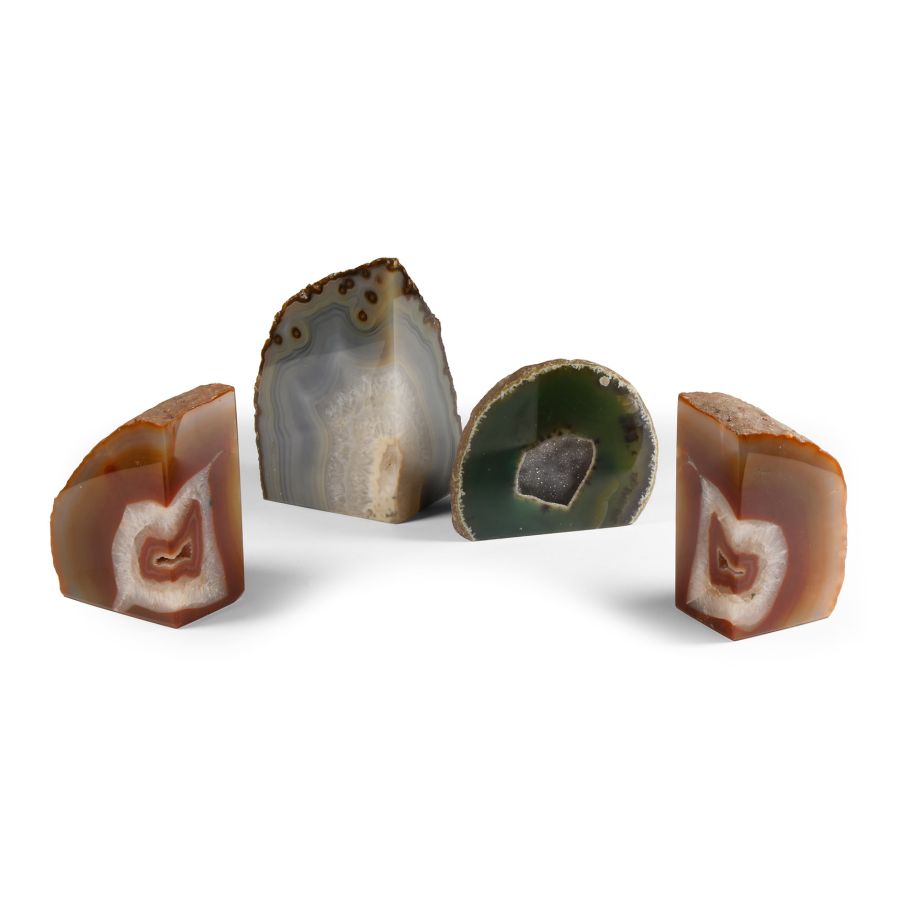
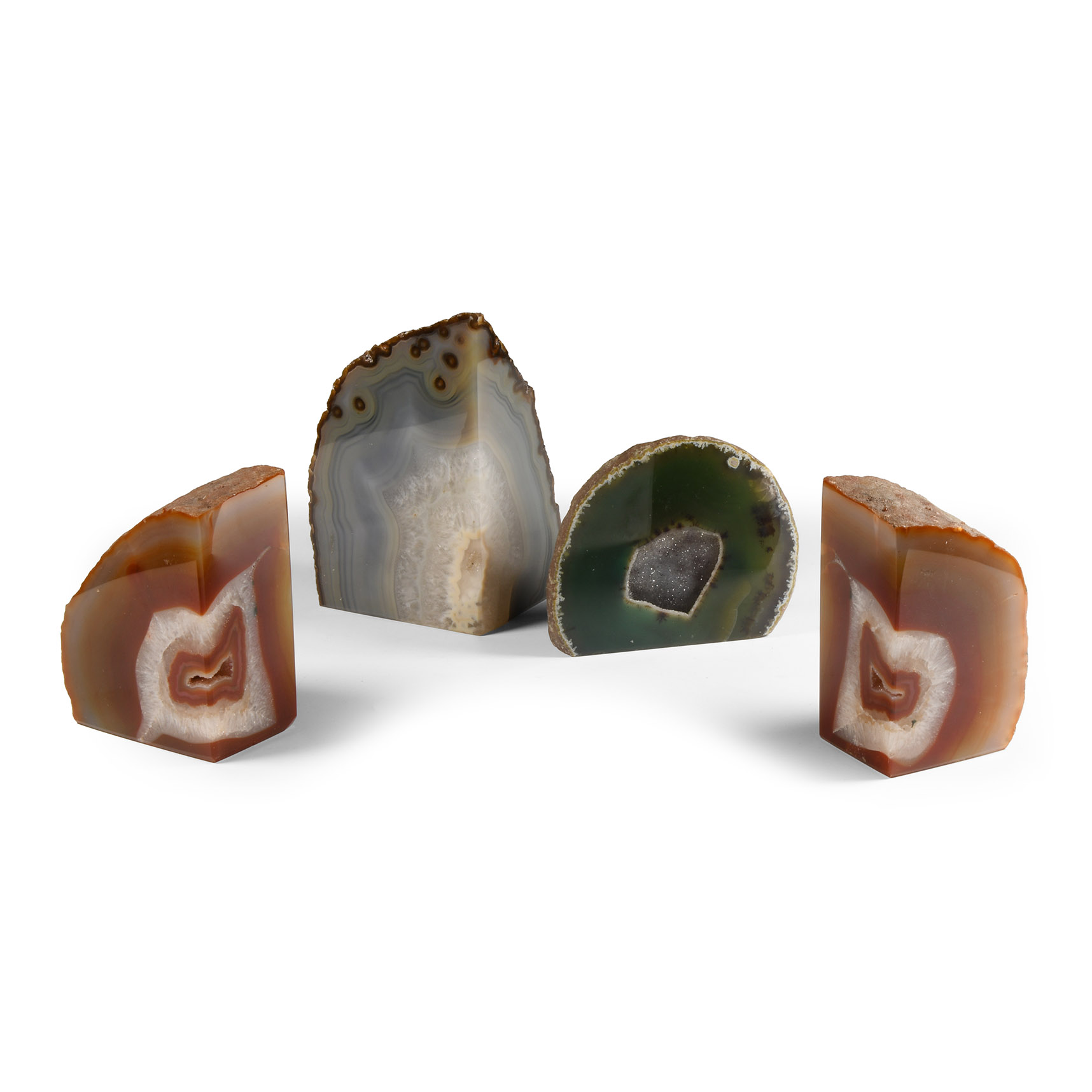
Natural History - Agate Geode Group
4 - 5 1/2 in. (3.37 kg total, 10.1-14 cm).
Comprising four cut and polished geode sections showing banding and some crystallisations. [4, No Reserve]
ProvenanceUK private collection.
CONDITIONTimeLine Auctions follows a vetting process to ensure the authenticity and legality of all items, reinforcing our commitment to integrity and responsible trading. Each antiquity, antique, and coin lot undergoes thorough examination by a vetting committee of at least ten external specialists, professional trade association members, scientists, and archaeologists: Our Vetting Process
AUCTIONS:
TimeLine is a leading auction house specialising in antiquities, ancient art, collectables, natural history, coins, medals, and books. Our auctions offer museums, collectors, historians, and enthusiasts the opportunity to acquire unique and historically significant pieces.
-
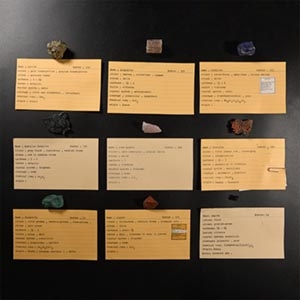
Natural History - Historic Mineral Specimen Collection
Sold for (Inc. bp): £7
Comprising: crocoite from Dundas, Tasmania, collection number 440; pyrite from Brazil, collection number 124; jasper, collection number 310; rose quartz, collection number 468; aragonite from Spain, collection number 355; malachite from Shaba, Zaire, collection number 12; specular hematite, collection number 155; sodalite, collection number 313; augite from Kenya, collection number 14. 112 grams total, 11-43 mm
Acquired on the UK mineral and fossil market, since 1970. From the historic mineral collection of Richard Valentine Cain, London, UK, thence by descent. Each specimen accompanied by an original historic index file card. -
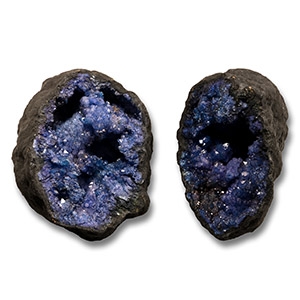
Natural History - Large Crystal Nodule
Sold for (Inc. bp): £65
The nodule split open to show the internal cavity filled with enhanced dyed blue crystals. 2.29 kg total, 14.4-15 cm
From a Cambridgeshire, UK, collection. -
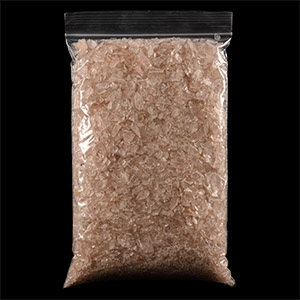
Natural History - Large Quantity of Rose Quartz Crystal Chips
Sold for (Inc. bp): £20
Comprising variously sized chips for decorative use. 1 kg total, 1-23 mm
Ex Mineral Imports, London, UK. Gregory, Bottley & Lloyd (Gregory's).
