
Loading, please wait...
.JPG_900x900.jpg "Natural History - Acapulcoite NWA 2714 Meteorite Slice")
.JPG_200x200.jpg "Natural History - Acapulcoite NWA 2714 Meteorite Slice")
.JPG_900x900.jpg "Natural History - Acapulcoite NWA 2714 Meteorite Slice")
.JPG_200x200.jpg "Natural History - Acapulcoite NWA 2714 Meteorite Slice")
.JPG "Natural History - Acapulcoite NWA 2714 Meteorite Slice")
.JPG "Natural History - Acapulcoite NWA 2714 Meteorite Slice")
LOT 2850
Natural History - Acapulcoite NWA 2714 Meteorite Slice
FOUND 2003 A.D.
1 3/4 in. (4 x 4 in.) (16.9 grams, 44 mm (88 grams total, 10 x 10 cm including case)).
A cut slice of very rare primitive achondrite belonging to the acapulcoite-lodranite family, recorded as: Northwest Africa 2714; displayed in a Swiss membrane box. [No Reserve]
ProvenanceFrom Erfoud, Morocco.
Ex Arizona Skies Meteorites, U.S.A.
From a Leicestershire, UK, collection.
TimeLine Auctions follows a vetting process to ensure the authenticity and legality of all items, reinforcing our commitment to integrity and responsible trading. Each antiquity, antique, and coin lot undergoes thorough examination by a vetting committee of at least ten external specialists, professional trade association members, scientists, and archaeologists: Our Vetting Process
AUCTIONS:
TimeLine is a leading auction house specialising in antiquities, ancient art, collectables, natural history, coins, medals, and books. Our auctions offer museums, collectors, historians, and enthusiasts the opportunity to acquire unique and historically significant pieces.
-
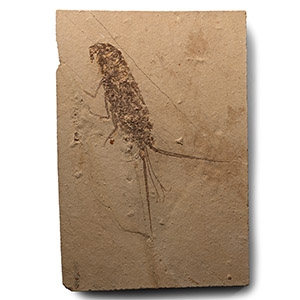
Natural History - Large Fossil Lobster on Matrix
Cretaceous Period, circa 145-65 million years B.P.Estimate: £400 - 600 (+bp*)
Opening Bid: £175
Possibly Pseudostacus hakeliensis on a rectangular matrix. 1.3 kg, 26.7 x 18.5 cm
From Lebanon. From a Lincolnshire, UK, collection. -
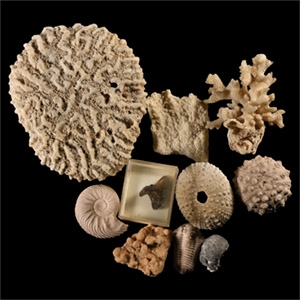
Natural History - Mixed Natural History Group
Sold for (Inc. bp): £13
Comprising: two sea urchins, corals, a shark tooth, a replica trilobite and ammonite, and others. 388 grams total, 2.7-10.6 cm
Acquired on the UK mineral and fossil market, since 1970. From the historic mineral collection of Richard Valentine Cain, London, UK, thence by descent. -
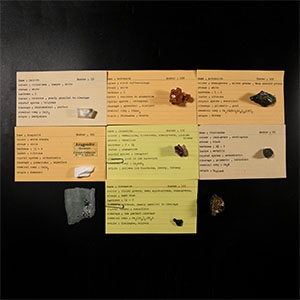
Natural History - Historic Mineral Specimen Collection
Sold for (Inc. bp): £13
Comprising: vivianite from Llallagua, Bolivia, collection number 589; colourless calcite from Derbyshire, England, collection number 10; pyrite and chlorite in matrix slate from Devon, England, collection number 46; wulfenite from Chihuahua, Mexico, collection number 208; actinolite from Norway, collection number 408; chalcopyrite on bornite from North Transvaal, South Africa, collection number 33; proustite from Schlema Ore Mountains, Saxony, Germany, collection number 606; aragonite from Somerset, England, collection number 166; chalcosine from England, collection number 50. 79 grams total, 13-50 mm
Acquired on the UK mineral and fossil market, since 1970. From the historic mineral collection of Richard Valentine Cain, London, UK, thence by descent. Seven specimens accompanied by an original historic index file card.
