
Loading, please wait...
LOT 1928
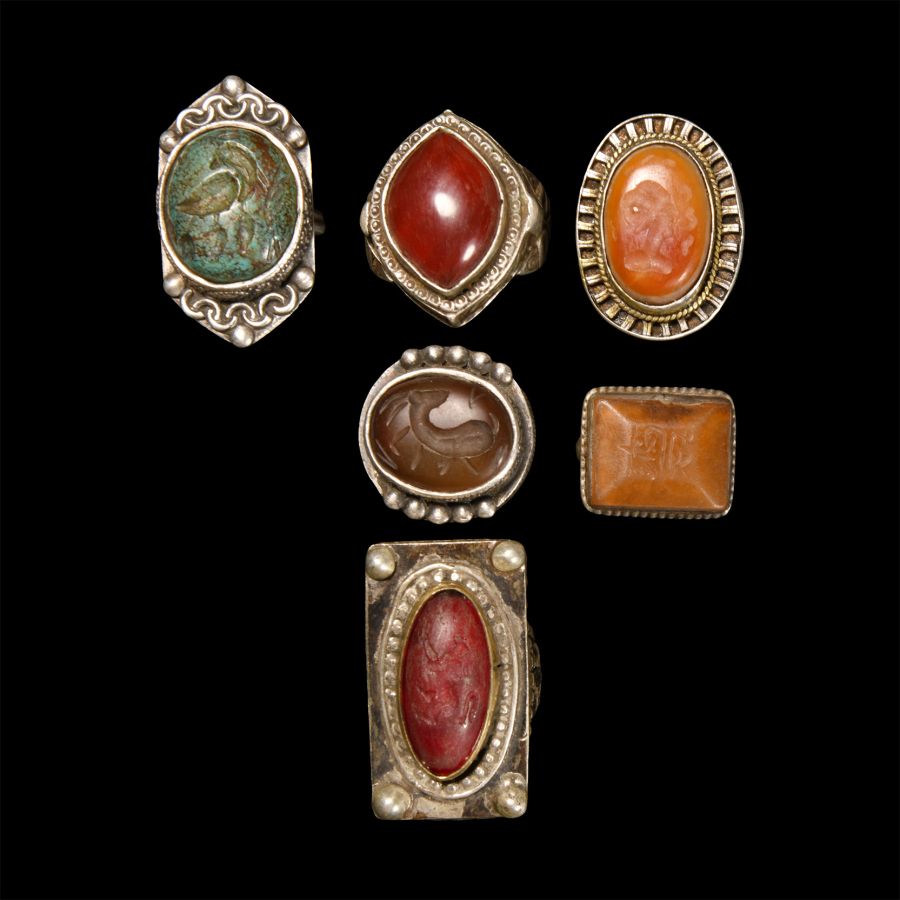
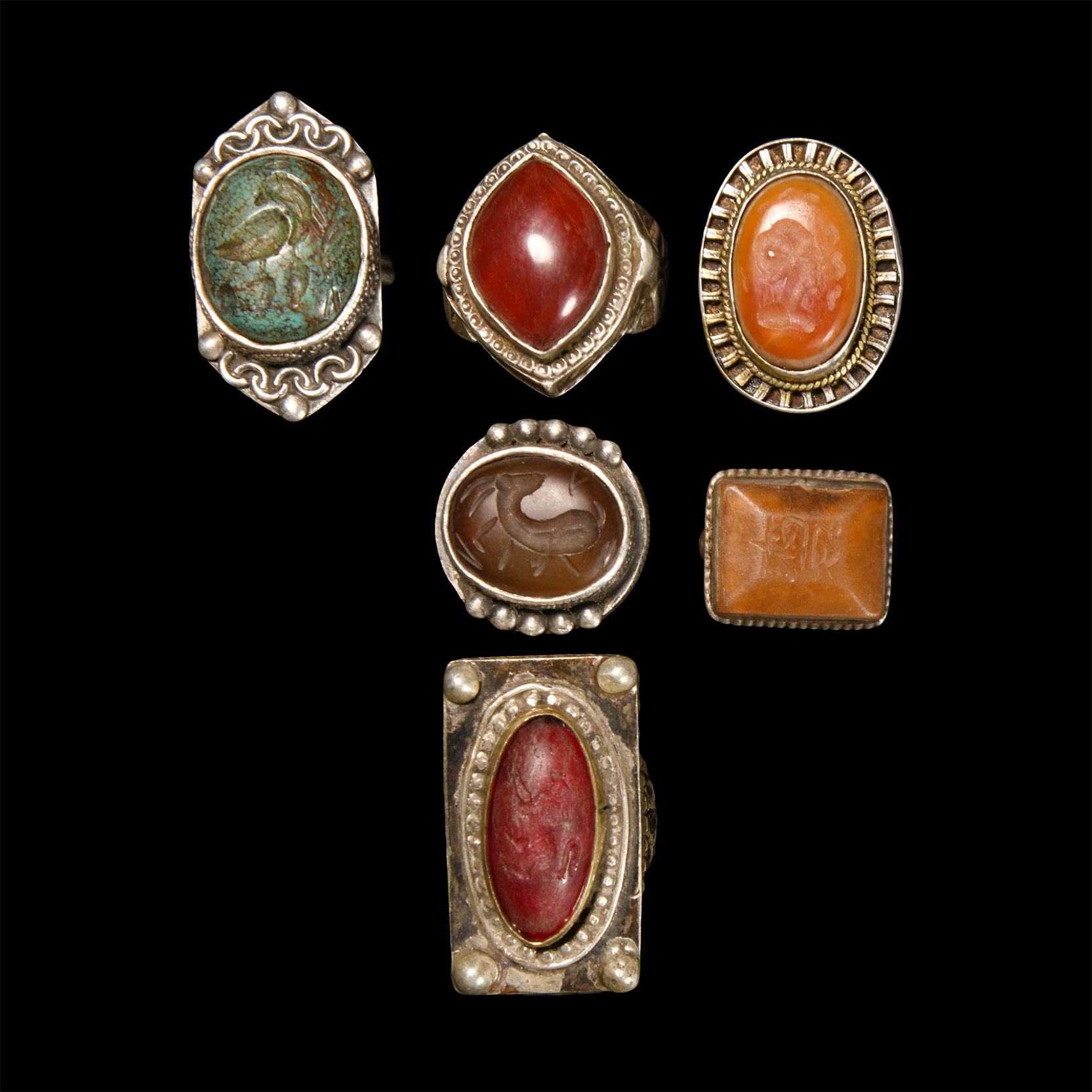
Mixed Ring Group
20TH CENTURY A.D.
1 - 1 1/2 in. (92 grams total, 24-37 mm).
Mixed group of silver-coloured metal finger rings with inset agate and other cabochons, some with intaglio motifs. [6, No Reserve]
ProvenanceProperty of a South West London gentleman.
CONDITIONTimeLine Auctions follows a vetting process to ensure the authenticity and legality of all items, reinforcing our commitment to integrity and responsible trading. Each antiquity, antique, and coin lot undergoes thorough examination by a vetting committee of at least ten external specialists, professional trade association members, scientists, and archaeologists: Our Vetting Process
AUCTIONS:
TimeLine is a leading auction house specialising in antiquities, ancient art, collectables, natural history, coins, medals, and books. Our auctions offer museums, collectors, historians, and enthusiasts the opportunity to acquire unique and historically significant pieces.
-
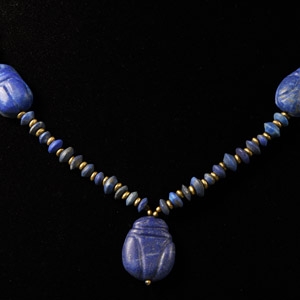
Bactrian Style Lapis Lazuli Bead Necklace
20th century A.D.Sold for (Inc. bp): £52
Comprising four lapis lazuli scaraboid beads and a scaraboid pendant centrepiece, biconvex lapis lazuli beads with gold-coloured spacers. 42.8 grams, 61 cm long
Acquired 1980-2015. Ex Abelita family collection. -
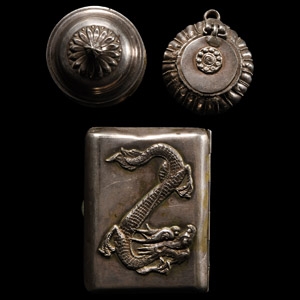
Decorated Box Group
Early 20th century A.D.Sold for (Inc. bp): £13
Group of three silver-coloured metal containers, one a cigarette box with repoussé dragon motif, one a pyxis with domed lid, one a squat flanged container with hinged lid. 202 grams total, 55-85 mm
Property of a South West London gentleman. -
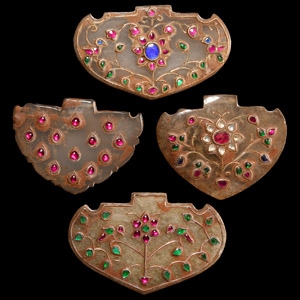
Stone Pendant Group with Rubies
20th century A.D.Sold for (Inc. bp): £1,950
Group of four pelta-shaped stone plaques each with a rectangular lug at centre-top pierced for suspension; floral and other designs with applied wire detailing, cabochon rubies and other inserts. 120 grams total, 62-76 mm
Property of a South West London gentleman.
