
Loading, please wait...
LOT 1764
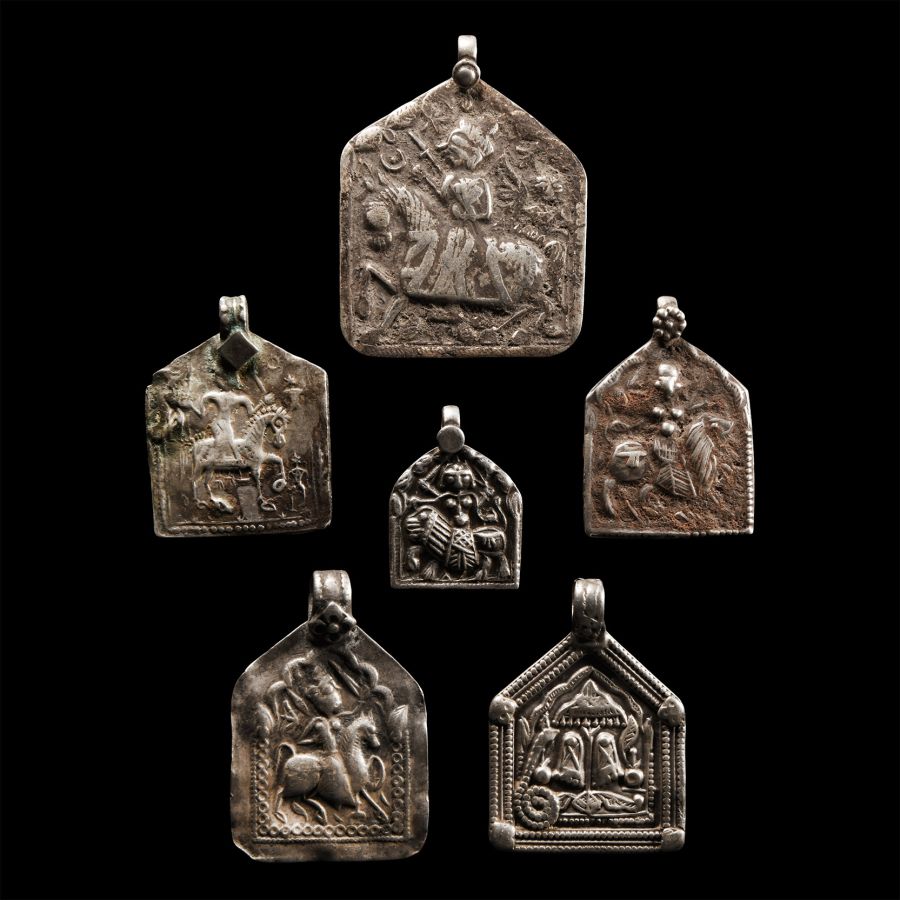
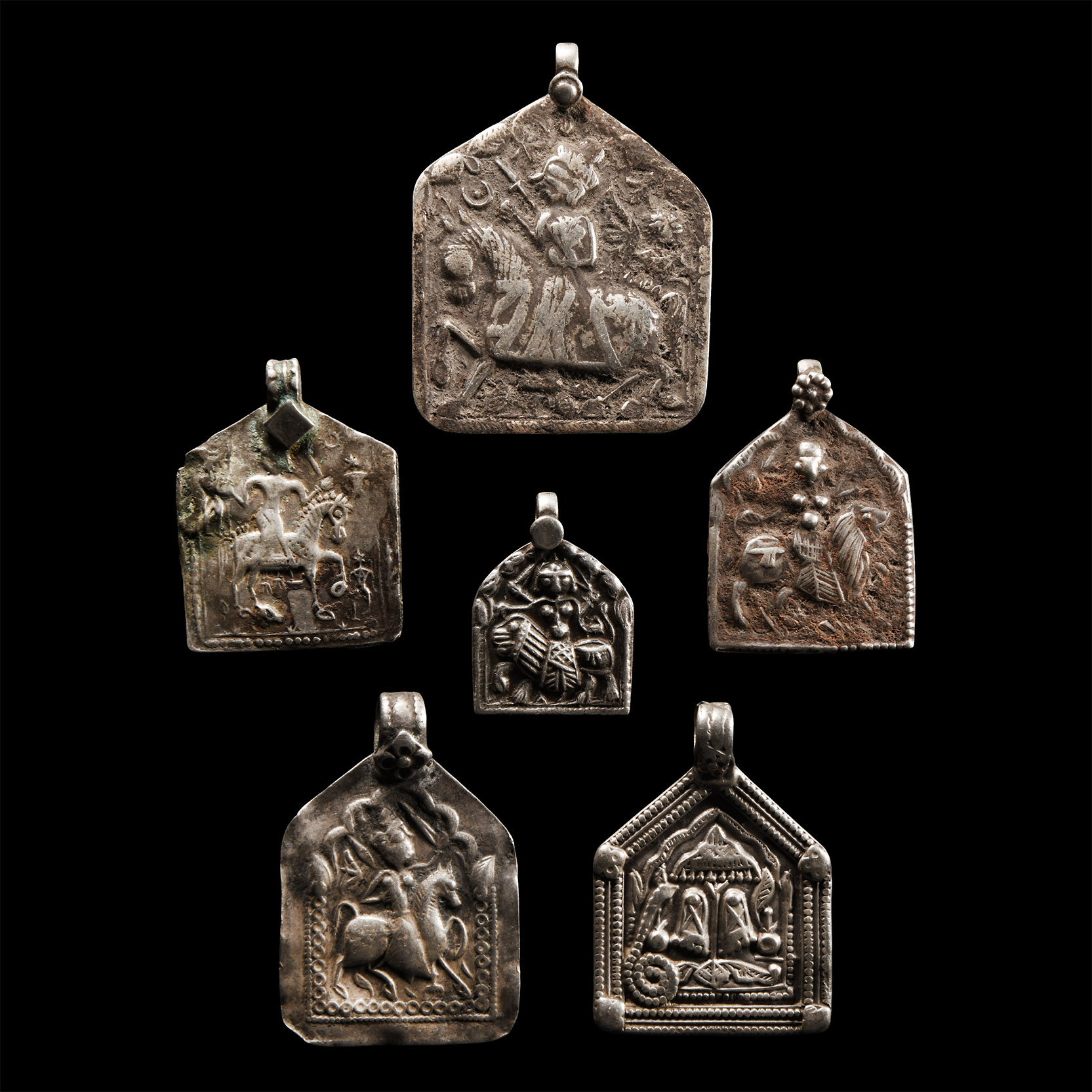
Mixed Pendant Group
20TH CENTURY A.D.
1 1/4 - 2 3/8 in. (77 grams total, 33-59 mm).
Mixed group of silver-coloured metal pentagonal pendants with repoussé motifs including horsemen. [6, No Reserve]
ProvenanceProperty of a South West London gentleman.
CONDITIONTimeLine Auctions follows a vetting process to ensure the authenticity and legality of all items, reinforcing our commitment to integrity and responsible trading. Each antiquity, antique, and coin lot undergoes thorough examination by a vetting committee of at least ten external specialists, professional trade association members, scientists, and archaeologists: Our Vetting Process
AUCTIONS:
TimeLine is a leading auction house specialising in antiquities, ancient art, collectables, natural history, coins, medals, and books. Our auctions offer museums, collectors, historians, and enthusiasts the opportunity to acquire unique and historically significant pieces.
-
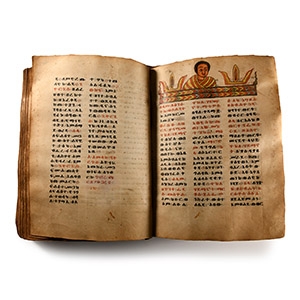
Ethiopian Leather 'Book of Psalms' Codex
17th century A.D.Sold for (Inc. bp): £4,420
Wooden end-boards covered with tooled leather, later reinforced with a new plain leather spine and replaced twine stringers; psaltery with decorated title page in Ge'ez script, red and black ink; parchment pages with dry-point guidelines, black text with red detailing; some pages with decorative polychrome busts, architectural features, etc. 3.5 kg, 32.5 x 24.5 cm
Ex Claudia Belcher, London, until 2005. This lot has been checked against the Interpol Database of stolen works of art and is accompanied by search certificate no.12045-212183. -
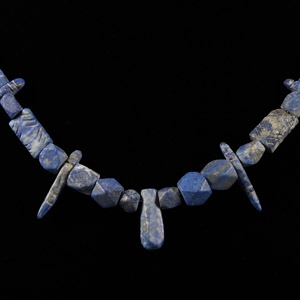
Bactrian Style Lapis Lazuli Bead Necklace
20th century A.D.Sold for (Inc. bp): £13
Mainly fusiform, square-section and polyhedral types with square-section tapering dangles. 38.4 grams, 41 cm
Acquired 1980-2015. Ex Abelita family collection. -
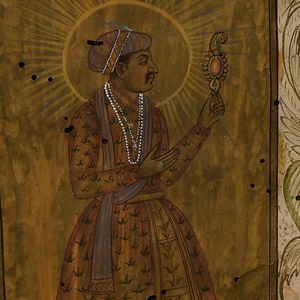
Framed Watercolour Painting
India, early 20th century A.D.Sold for (Inc. bp): £26
Depicting a nobleman standing in a landscape, holding and admiring a jewel; set in a reveal within a glazed wooden frame. 552 grams, 27.5 x 20 cm
Fine condition, some worm holes.
Acquired on the UK art market, 1980s-1990s. The Woodbridge collection of Indo-Persian art.
